Luz de cruce VS Luz de carretera: todo lo que debe saber
Publicado el
2 de septiembre de 2026
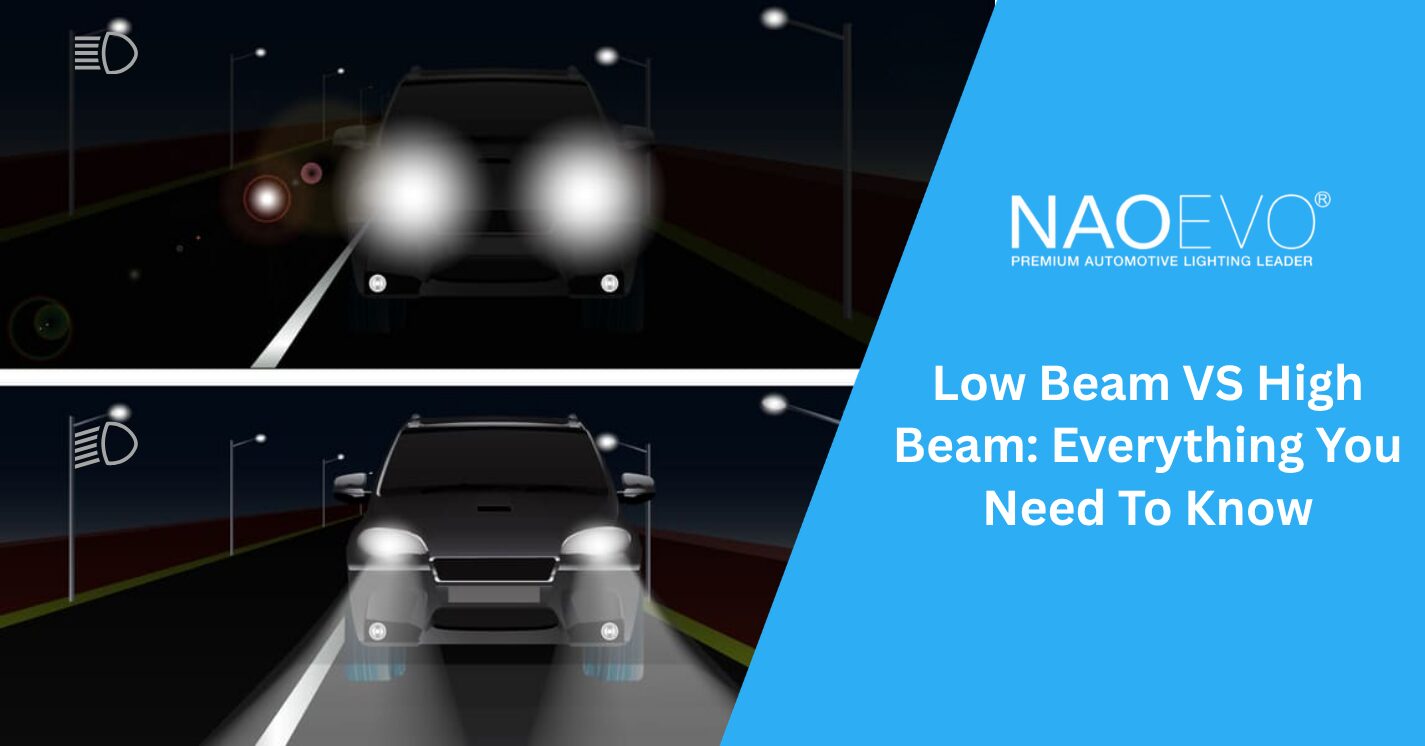
Muchos conductores conocen la diferencia básica entre las luces cortas y las largas, pero la mayoría de ellos no las utiliza correctamente en la conducción diaria. Al mismo tiempo, cuando algunos propietarios de coches cambian a faros LED, a menudo no entienden por qué sus luces cortas siguen deslumbrando a los vehículos que circulan en sentido contrario.
En este artículo, no solo explicaremos las diferencias entre las luces cortas y las luces largas y cuándo utilizar cada una de ellas, sino que también analizaremos en profundidad cómo elegir e instalar correctamente los faros LED para evitar deslumbrar a otros conductores.
Luces cortas frente a luces largas: comparación rápida
Luz de cruce
Luz de carretera
Propósito
Conducción diurna y nocturna
Máxima visibilidad
Patrón del haz
Estrecho, inclinado hacia abajo
viga que se extiende hacia delante
Distancia de la luz
Más breve
Más largo
Línea de corte
Definido
Normalmente, menos restrictivo
Utilización
Tráfico, lluvia, ciudad
Carreteras oscuras, autopistas
Riesgo de deslumbramiento
Bajo
Alta
Explicación del patrón de las luces de cruce
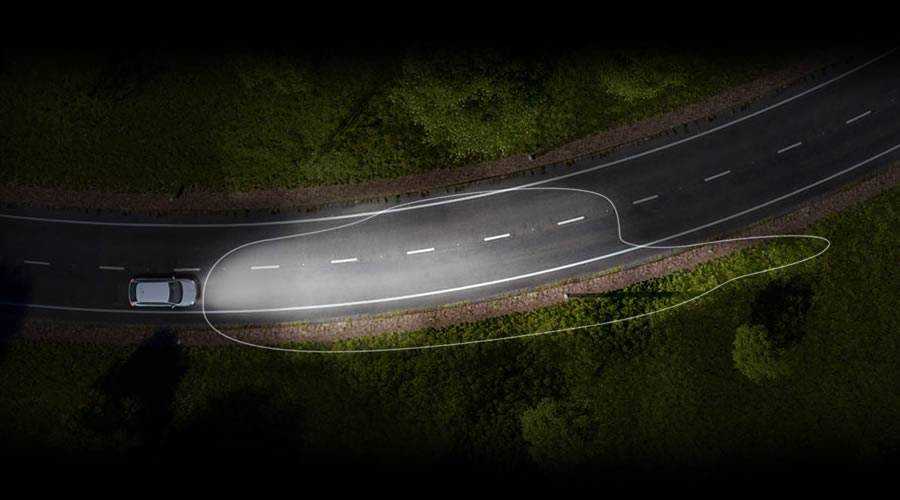
Las luces de cruce están diseñadas para proporcionar una buena visibilidad de la carretera y, al mismo tiempo, reducir al mínimo el deslumbramiento de los demás conductores. A diferencia de las luces de carretera, que proyectan la luz más lejos y con mayor amplitud, las luces de cruce utilizan una distribución controlada de la luz con una línea de corte específica para iluminar la carretera que hay delante sin deslumbrar directamente a los conductores que circulan en sentido contrario.
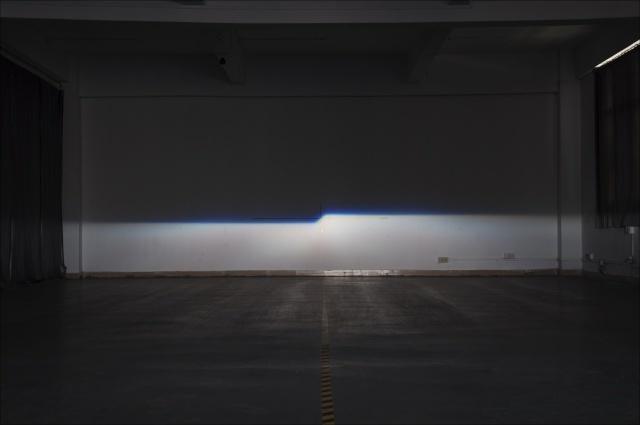
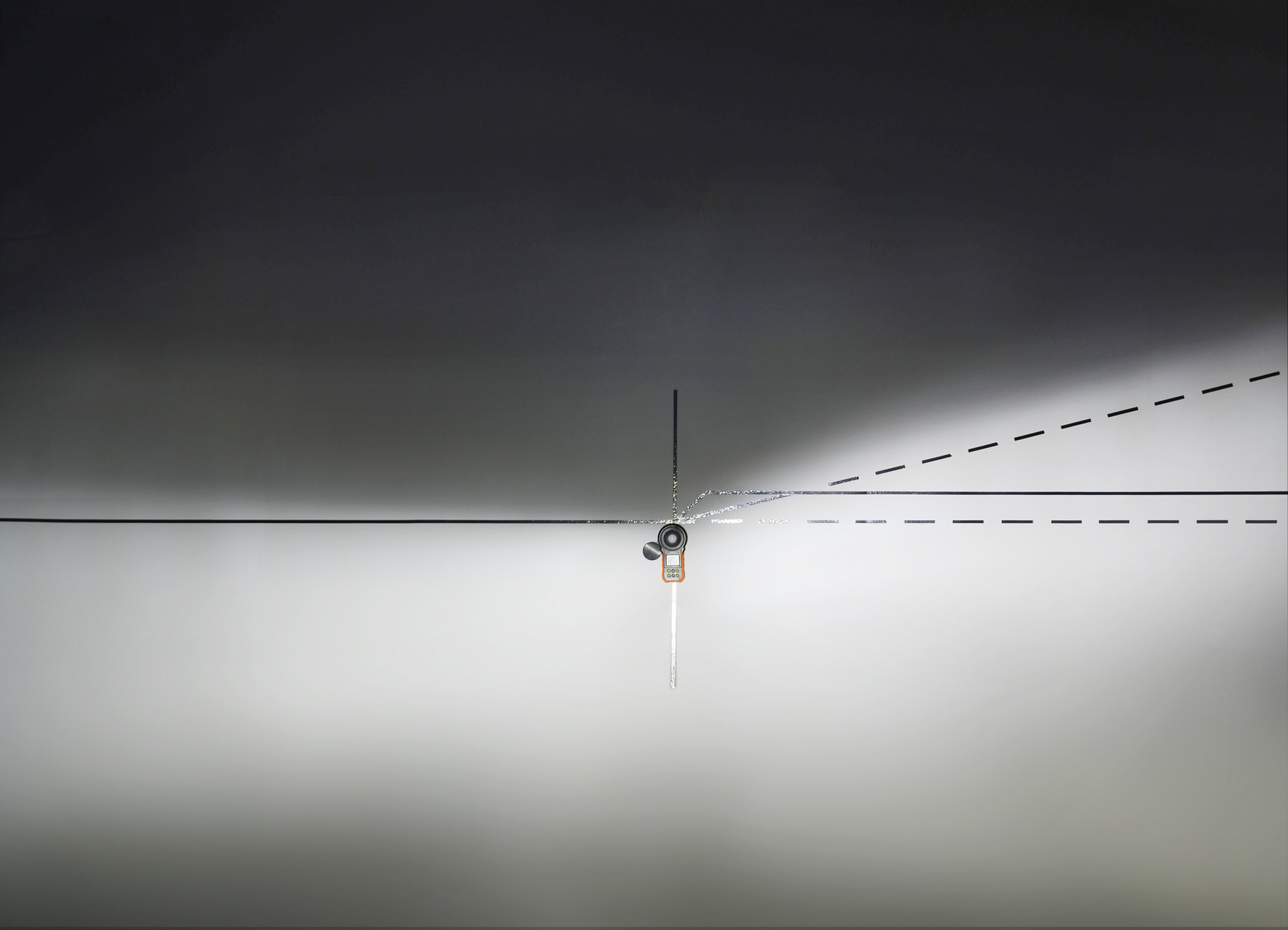
La parte más importante del haz de luz de cruce es la línea de corte. Este límite bien definido separa la zona iluminada de la zona oscura situada por encima de ella. Un faro diseñado correctamente concentra la mayor parte de la luz por debajo de la línea de corte, lo que ayuda a los conductores a ver las señales de tráfico, las marcas viales y los obstáculos, al tiempo que reduce la luz innecesaria hacia arriba.
¿Cómo se encienden las luces de cruce?
Hay dos formas principales de encender las luces de cruce, dependiendo del diseño de tu vehículo: mediante una palanca o mediante un dial.
Estilo «Stalk»: En la palanca de control de las luces verás una posición específica para las «luces de cruce». Solo tienes que girar la palanca hasta esa posición y las luces de cruce se encenderán de inmediato.
Estilo de la esfera:Gira el mando giratorio en el sentido de las agujas del reloj hasta que el indicador quede alineado con el símbolo de «luces de cruce» y los faros se encenderán al instante.
¿Cómo funcionan las luces de cruce?:
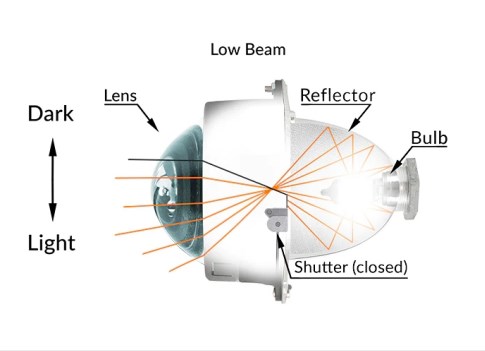
Las luces de cruce utilizan una combinación de reflectores y lentes dentro del conjunto del faro. El reflector recoge y dirige la luz emitida por la bombilla, mientras que la lente moldea y enfoca esta luz en un haz específico. El haz resultante está ligeramente inclinado hacia abajo para iluminar la carretera sin deslumbrar a los conductores que circulan en sentido contrario.
¿Cuándo debo utilizar las luces de cruce?
Las luces de cruce están diseñadas para las condiciones de conducción habituales, en las que se necesita una visibilidad suficiente de la carretera sin deslumbrar innecesariamente a los demás conductores.
Estas son las situaciones más habituales en las que debes utilizar las luces de cruce:
Al conducir entre la puesta de sol y el amanecer
Cuando hay muy poca luz para ver a una persona vestida de oscuro en 100 m
Conducir en zonas urbanas o en carreteras bien iluminadas
Las luces largas están diseñadas para maximizar la visibilidad hacia delante, ya que proyectan la luz más lejos y con mayor amplitud que las luces cortas.
A diferencia de las luces de cruce, que se centran en iluminar la carretera de forma controlada con una línea de corte definida, las luces de carretera ofrecen una distribución de la luz más amplia para ayudar a los conductores a identificar objetos lejanos, peligros en la carretera y cambios en las condiciones de la misma.
El objetivo principal de las luces largas es aumentar la distancia de visibilidad cuando no hay tráfico cercano.
Cómo encender las luces largas
Palanca del intermitente de empuje/tracción:
La forma más habitual de activar las luces largas es mediante la palanca de los intermitentes, situada en el lado izquierdo de la columna de dirección. Basta con empujar la palanca alejándola de ti para activar las luces largas y tirar de ella hacia ti para volver a las luces cortas.
Interruptor o botón del salpicadero:
Algunos vehículos cuentan con un botón específico en el salpicadero en lugar de una palanca en la columna de dirección. Basta con pulsarlo una vez para encender las luces de carretera y volver a pulsarlo para apagarlas. Este sistema es sencillo, pero menos habitual en los coches modernos.
¿Cómo funcionan las luces largas?:
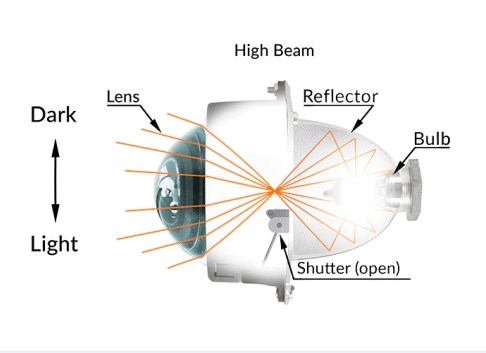
Los faros de carretera funcionan mediante una bombilla especial más potente y un sistema de reflector y lente. Cuando se activan, una fuerte corriente eléctrica atraviesa la bombilla, lo que hace que emita un haz de luz intenso que se proyecta hacia delante.
El reflector y la lente ayudan a dar forma y enfocar esta luz para crear un haz amplio y potente, lo que mejora considerablemente la visibilidad a larga distancia para el conductor, especialmente en condiciones de oscuridad o con poca iluminación.
¿Cuándo debo utilizar las luces largas?
Las luces largas están diseñadas para situaciones en las que es necesario ver más lejos, sobre todo en carreteras oscuras con poco o ningún alumbrado público.
Sin embargo, no se deben utilizar las luces largas simplemente porque la carretera esté oscura. La clave está en utilizarlas cuando mejoren tu visibilidad sin deslumbrar a los demás conductores. NHTSA señala que el haz de luz de carretera genera altos niveles de luminosidad en zonas que pueden provocar un deslumbramiento inaceptable para los conductores que circulan en sentido contrario.
Estas son las situaciones en las que debes encender las luces largas:
En carreteras oscuras y sin alumbrado
Cuando no hay vehículos que circulen en sentido contrario
Cuando no sigues de cerca a otro vehículo
En carreteras largas y rectas con visibilidad limitada
¿Cuándo deberías...? NO ¿Usar las luces largas?
Evita utilizar las luces largas cuando puedan deslumbrar a otros usuarios de la vía pública, entre ellos:
Vehículos que vienen en sentido contrario
Vehículos a los que sigues
Carreteras con mucho tráfico o bien iluminadas
Condiciones de niebla
La niebla es especialmente importante. Las luces largas pueden reflejarse en las gotitas de agua presentes en el aire y provocar un deslumbramiento adicional, lo que dificulta la visibilidad. El Servicio Meteorológico Nacional de EE. UU. recomienda específicamente utilizar las luces cortas en lugar de las largas cuando hay niebla.
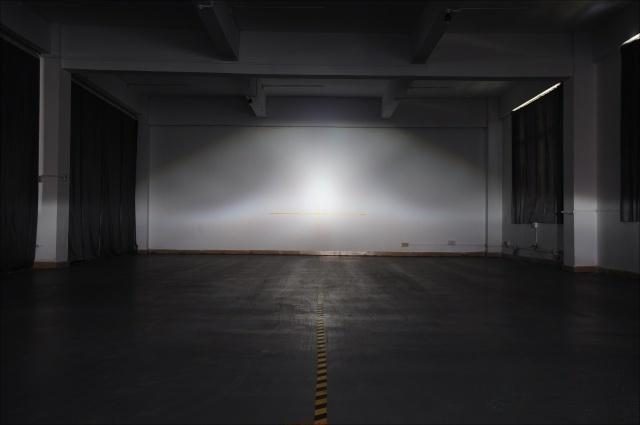
Luz de cruce VS Luz de carretera emitida a través del proyector
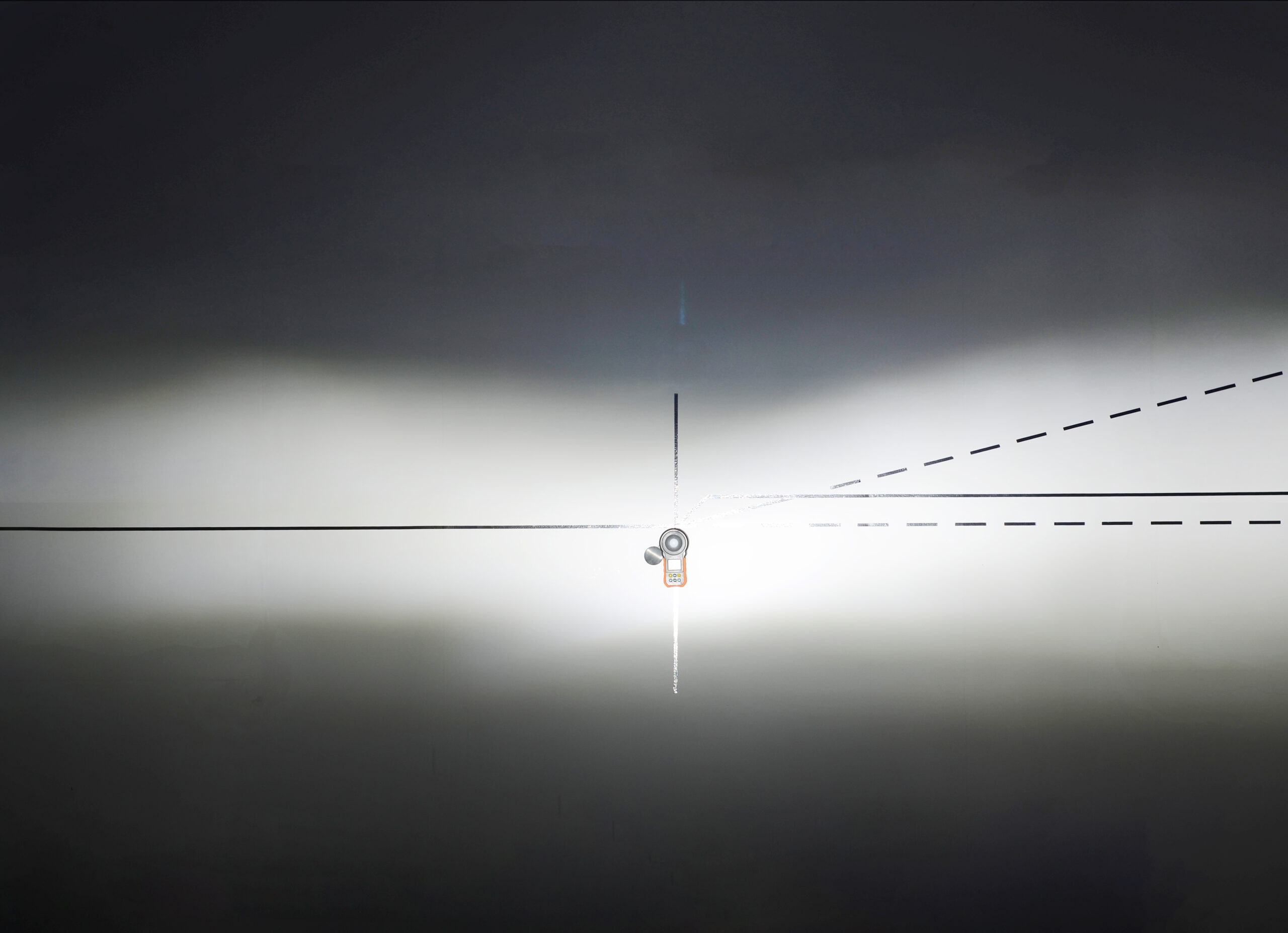
La luz de cruce de los faros del proyector suele presentar una línea de corte horizontal bien definida, con un énfasis ligeramente mayor en el lado derecho de la carretera. Este diseño tiene como objetivo proporcionar una iluminación concentrada hacia delante, al tiempo que reduce el deslumbramiento de los conductores que circulan en sentido contrario.
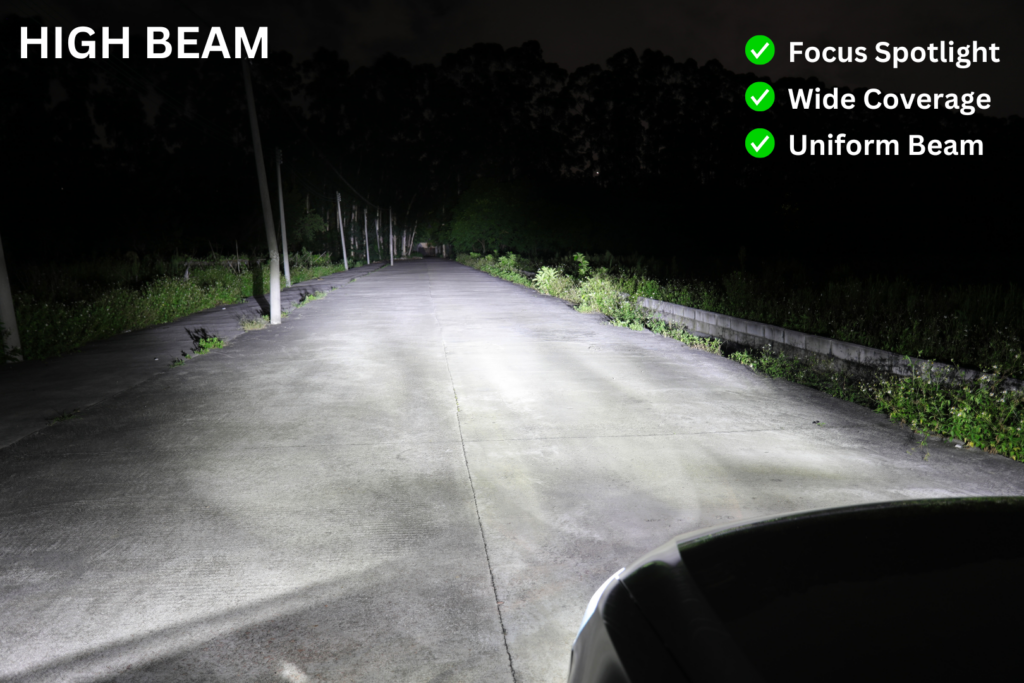
La luz de carretera incluye un foco central que mejora la visibilidad del conductor en distancias más largas.
Luz de cruce VS Alta emisión a través de reflector
Si tiene un faro de tipo reflector en su coche, verá que el gráfico muestra un haz de luz de tipo reflector con un componente luminoso simétrico en el lado izquierdo situado justo por debajo de la línea de corte, lo que evita el deslumbramiento de los conductores que circulan en sentido contrario.
La luz de carretera proporcionará una iluminación más amplia, ampliando el campo de visión del conductor.
¿Qué caracteriza a un buen haz de luces cortas?
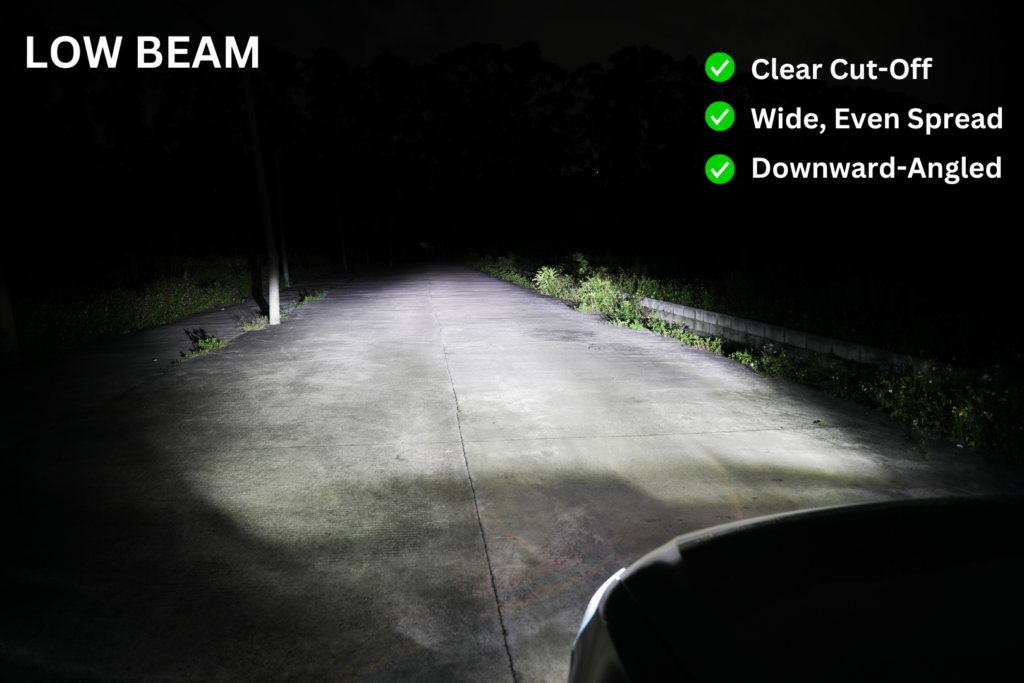
Unas buenas luces de cruce te dan seguridad por la noche. Deben proyectar un haz amplio y uniforme que ilumine la carretera sin deslumbrar a los vehículos que vienen en sentido contrario. La línea de corte es fundamental: mantiene la luz dirigida hacia la carretera, y no hacia los ojos de los demás conductores.
Las luces de cruce instaladas de fábrica suelen estar bien calibradas para cumplir con las normas de seguridad. Si las sustituyes por luces LED y te deslumbran, es probable que se deba a una instalación incorrecta o a una discrepancia en la posición de emisión de la luz entre el LED y la carcasa original.
Si estás pensando en cambiar a luces LED, es fundamental que conozcas los patrones de haz de luz antes de realizar la compra.
¿Qué caracteriza a un buen haz de luces largas?
Un buen haz de luces largas se caracteriza por la distancia y la concentración. A diferencia de las luces cortas, que están diseñadas para ser amplias y planas, las luces largas deben proyectar un haz concentrado que llegue lejos en la carretera para maximizar la visibilidad hacia delante.
Si las luces largas iluminan claramente las señales de tráfico pero no deslumbran a los vehículos que vienen en sentido contrario (cuando se utilizan correctamente), significa que el haz de luz es adecuado.
La mejor bombilla LED para luz de cruce
Una conducción nocturna segura depende de unos buenos faros de cruce. Si estás pensando en cambiar una bombilla halógena por una LED, asegúrate de elegir una bombilla LED de alta calidad con el haz de luz adecuado.
Aquí está nuestra bombilla LED para faros más recomendada que tendrá un alto rendimiento en las luces de cruce.
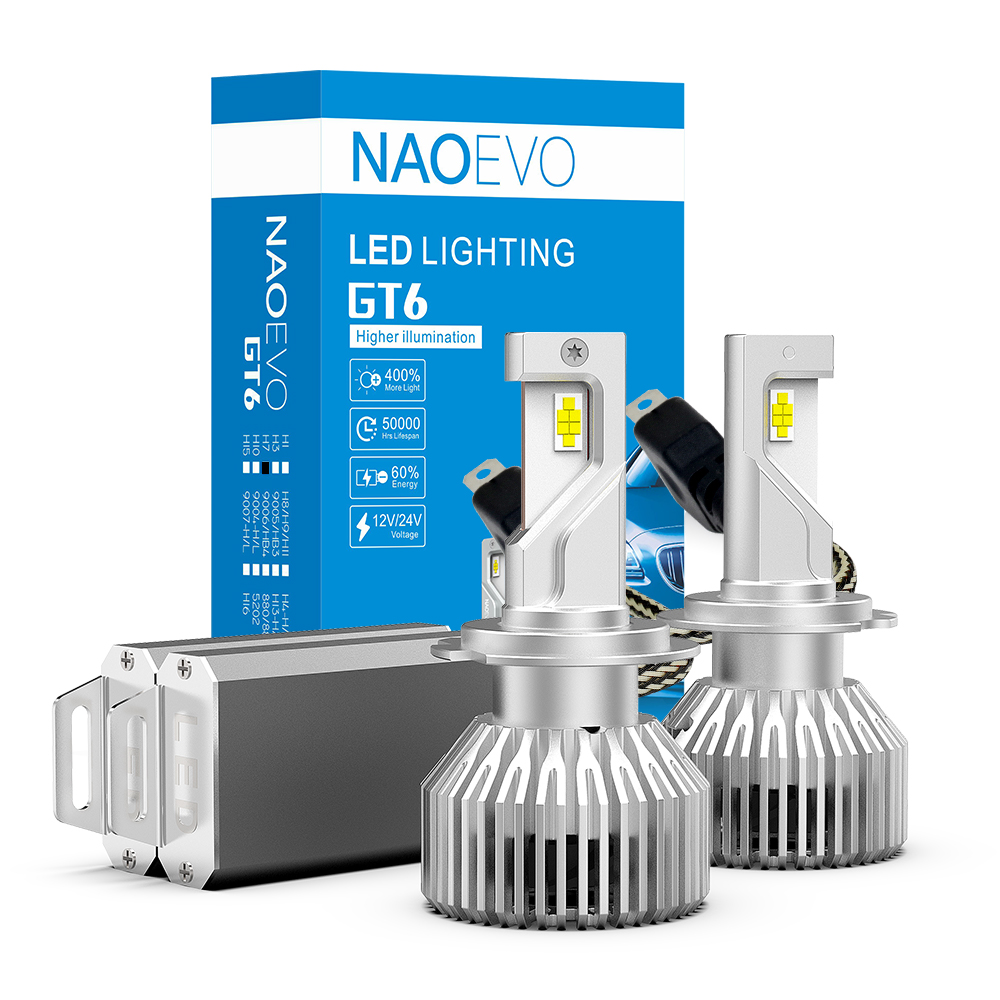
Si buscas una bombilla LED para faros muy potente con la que mejorar tus luces de cruce, las bombillas LED para faros NAOEVO GT6 son sin duda tu mejor opción.
Equipadas con un chip flip de alta intensidad, las bombillas LED GT6 son capaces de proporcionar un brillo ultraalto de 110 W y 13 200 lm por juego, lo que supone entre 4 y 5 veces más brillo que las halógenas.
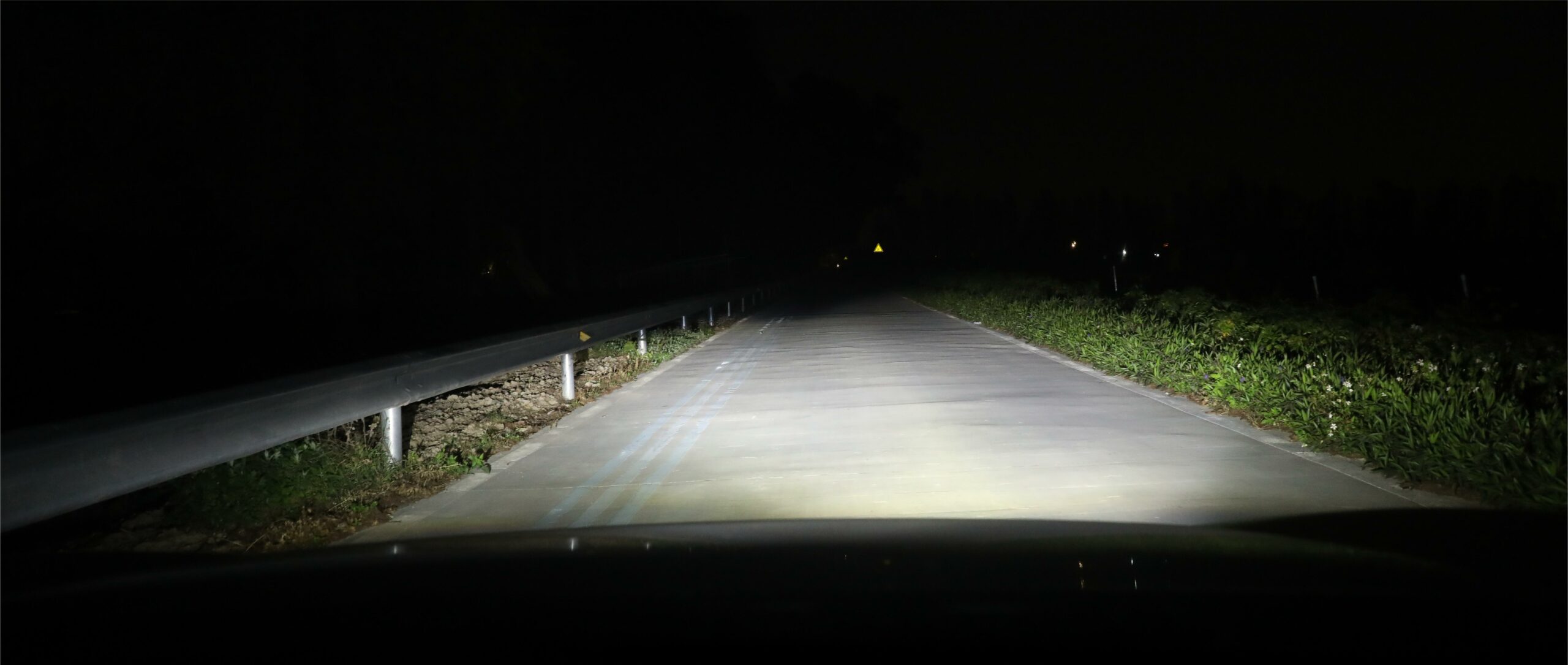
Además, las bombillas LED GT6 reproducen fielmente la posición de iluminación del filamento halógeno, lo que da como resultado un haz de luz impecable con una línea de corte bien definida, lo que garantiza que no deslumbre a los demás.
El rendimiento de la iluminación del GT6
La mejor bombilla LED para faros de carretera
Las luces de carretera proporcionan una iluminación intensa y de largo alcance para mejorar la visibilidad en carreteras oscuras, ayudando a los conductores a ver más lejos y a detectar posibles peligros. Para elegir una bombilla LED de faro que sustituya a una halógena, ten en cuenta factores como la luminosidad, la vida útil y la disipación del calor.
Aquí tienes nuestra selección de luces LED para coche, cuidadosamente diseñadas para mejorar el rendimiento de las luces de carretera.
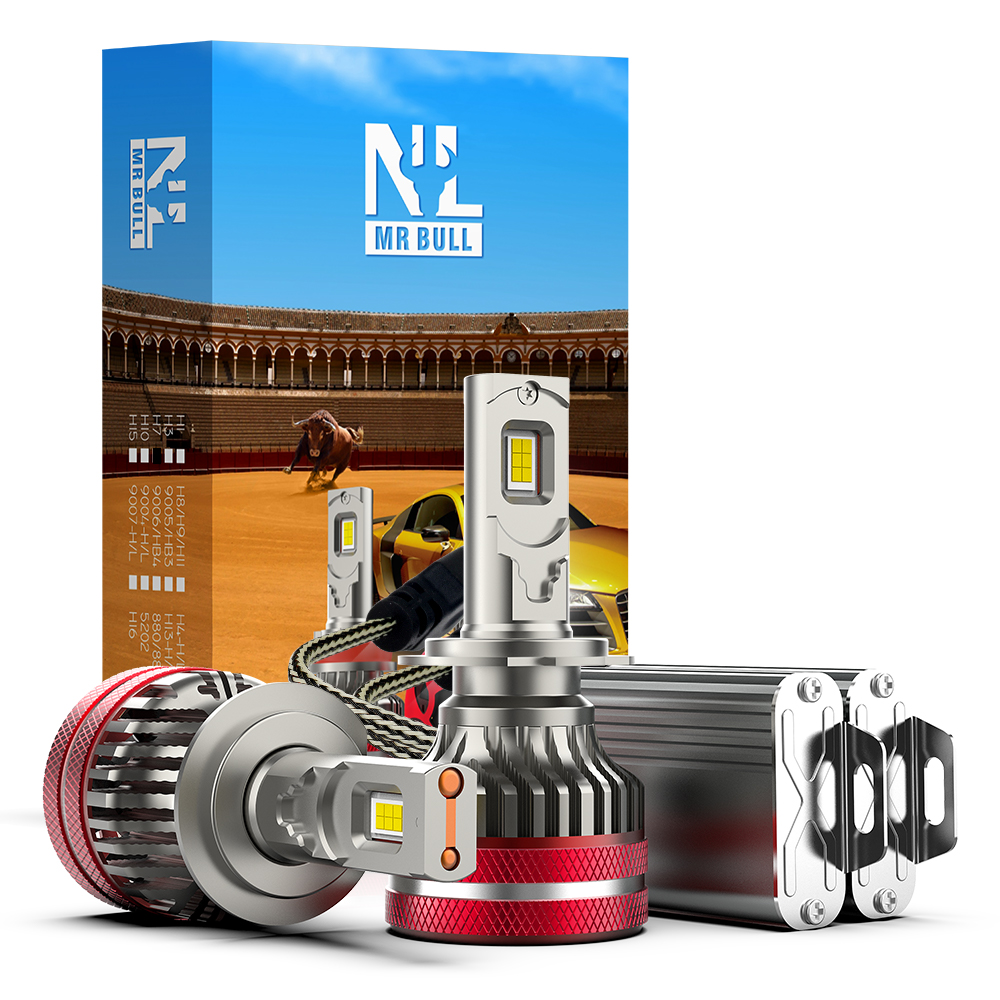
Las bombillas LED para faros NAOEVO NL están diseñadas para revolucionar su experiencia con las luces largas.
Estas bombillas están equipadas con seis chips flip de gran tamaño, una proeza de ingeniería que maximiza la conversión de energía en luz, lo que se traduce en una impresionante potencia de 180W y 21.600LM por juego.
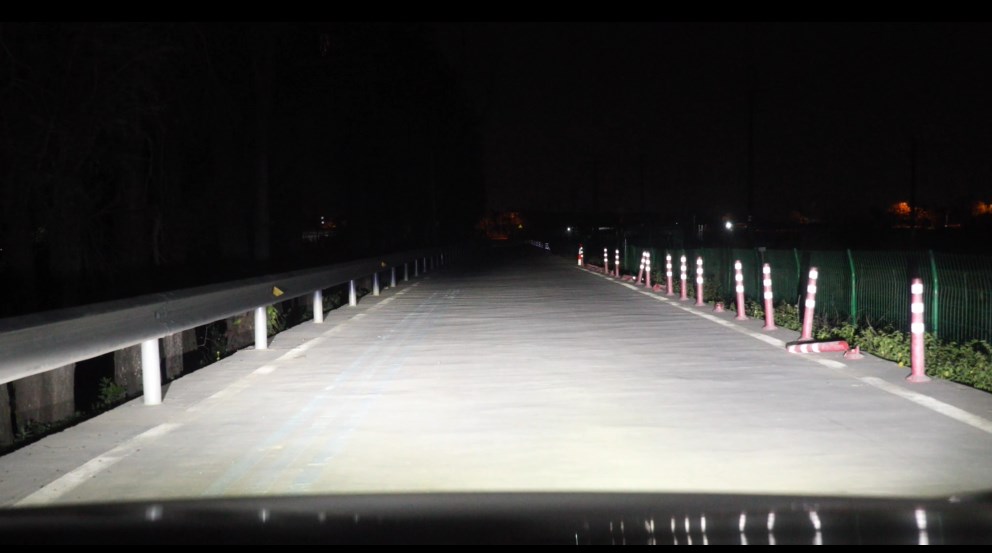
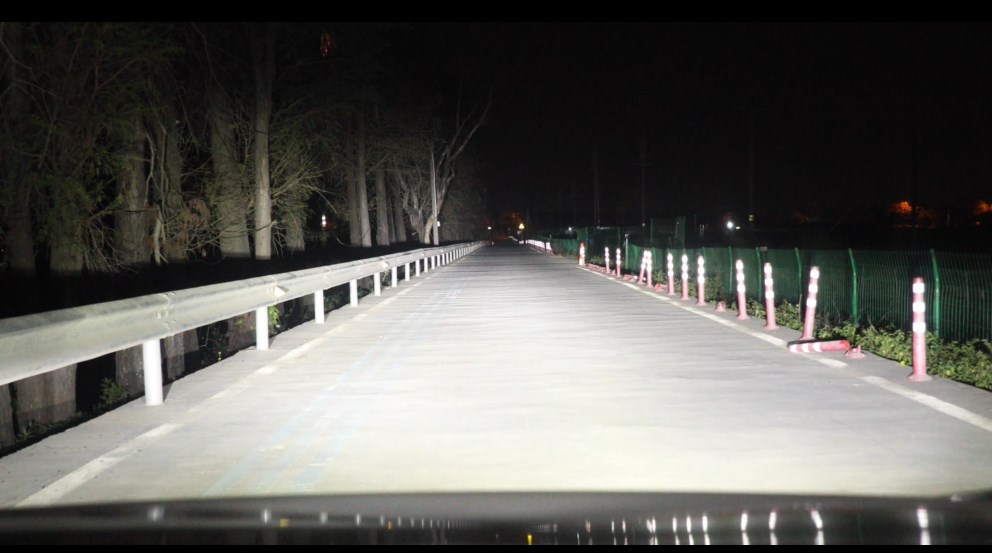
Al activar la luz de carretera, notará un foco enfocado con precisión en el centro, acompañado de una iluminación amplia y uniforme a ambos lados, testimonio de la tecnología óptica de vanguardia de NAOEVO que elimina el deslumbramiento.
Con un sistema de doble tubo de calor de cobre que disipa eficazmente 30 W de calor cada una, estas bombillas tienen una vida útil de más de 50.000 horas.
No sólo tienen un rendimiento excepcional, sino que también son un reclamo visual con su elegante diseño de toro y su llamativo embalaje Bullring, todo ello ofrecido al precio al por mayor más competitivo.
El rendimiento luminoso de NL
Preguntas frecuentes
¿Hasta dónde deben iluminar los faros de cruce?
La distancia de iluminación de la luz de cruce es de aproximadamente 30-40 metros. Según los experimentos realizados, cuando se conduce a una velocidad de 55 km/h por la noche, frenar inmediatamente después de la detección da como resultado una distancia de frenado de exactamente 30 metros.
¿Las luces cortas y las largas son la misma bombilla?
Depende de tu vehículo. Algunos coches utilizan una sola bombilla tanto para las luces de carretera como para las de cruce, mientras que otros utilizan dos bombillas distintas, una para cada función.
¿Puedo cambiar solo una viga y dejar la otra tal cual?
Técnicamente sí, pero no es recomendable. Cambia siempre las bombillas por pares para mantener un brillo y un haz de luz equilibrados.
¿Las luces largas LED producen más deslumbramiento que las halógenas?
Si se instalan correctamente y se orientan adecuadamente, no provocan un deslumbramiento excesivo. Sin embargo, si están mal alineadas, pueden deslumbrar a otros conductores.
¿Cuándo debo usar las luces largas y cuándo las cortas?
Utiliza las luces cortas en el tráfico, en calles iluminadas, con niebla o lluvia, y al acercarte a otros coches.
Utiliza las luces largas en autopistas oscuras o en carreteras rurales en las que no haya tráfico en sentido contrario. Vuelve a las luces cortas cuando se acerque otro coche.
Conclusión
En conclusión, entender las diferencias entre las luces de cruce y las de carretera es crucial para una conducción nocturna segura y eficaz. Las luces de cruce ofrecen una iluminación focalizada en zonas bien iluminadas y evitan el deslumbramiento en otras, mientras que las luces de carretera proporcionan una visibilidad de largo alcance en carreteras oscuras y sin iluminación.
Saber cuándo y cómo utilizar cada ajuste garantiza no sólo su seguridad, sino también la de los demás conductores. Mantente informado, conduce con responsabilidad y da prioridad a la seguridad vial.
NAOEVO es un fabricante profesional líder especializado en I+D, producción y venta de luces LED para automóviles, que ofrece soluciones integrales en el campo de la iluminación para automóviles.
WhatsApp
Hola, Bienvenido a NAOEVO.
La franja horaria del servicio manual de atención al cliente en tiempo real es Lun.-Vie. 09:00~18:00 (UTC+8).
Por favor, deje su pregunta aquí y será atendida con prontitud al siguiente día laborable.








 WhatsApp
 Español
  English
  العربية
  Українська
  हिन्दी