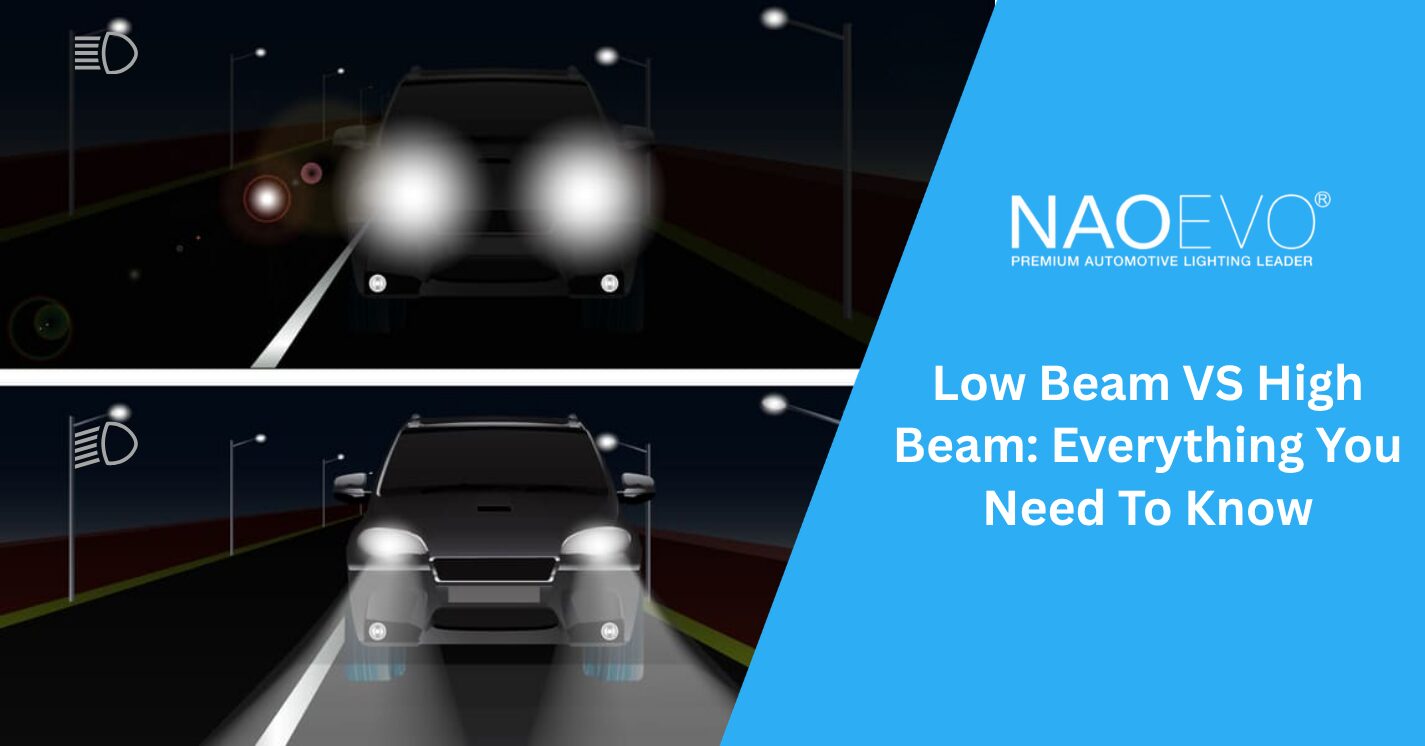
الشعاع المنخفض مقابل الشعاع العالي: كل ما تحتاج إلى معرفته
نُشر على
2 سبتمبر 2026
يعرف العديد من السائقين الفرق الأساسي بين الضوء المنخفض والضوء العالي، لكن معظمهم لا يستخدمون هذه الأضواء بشكل صحيح أثناء القيادة اليومية. وفي الوقت نفسه، عندما يقوم بعض مالكي السيارات بالترقية إلى مصابيح LED الأمامية، غالبًا ما يشعرون بالحيرة بشأن سبب استمرار الضوء المنخفض في إحداث وهج للسيارات القادمة في الاتجاه المعاكس.
في هذا المقال، لن نكتفي بشرح الفروق بين المصابيح المنخفضة والمصابيح العالية ومتى يتم استخدام كل منها، بل سنتعمق أيضًا في كيفية اختيار وتركيب المصابيح الأمامية LED بشكل صحيح لتجنب إبهار السائقين الآخرين.
الضوء المنخفض مقابل الضوء العالي: مقارنة سريعة
شعاع منخفض
شعاع عالي
الغرض
القيادة في أوقات النهار والليل
أقصى قدر من الرؤية
نمط الشعاع
ضيق، مائل نحو الأسفل
شعاع ممتد إلى الأمام
مسافة الضوء
أقصر
أطول
خط الفصل
مُعرَّف
عادةً ما تكون أقل تقييدًا
الاستخدام
حركة المرور، المطر، المدينة
الطرق المظلمة، الطرق السريعة
خطر الوهج
منخفضة
عالية
شرح نمط الضوء المنخفض
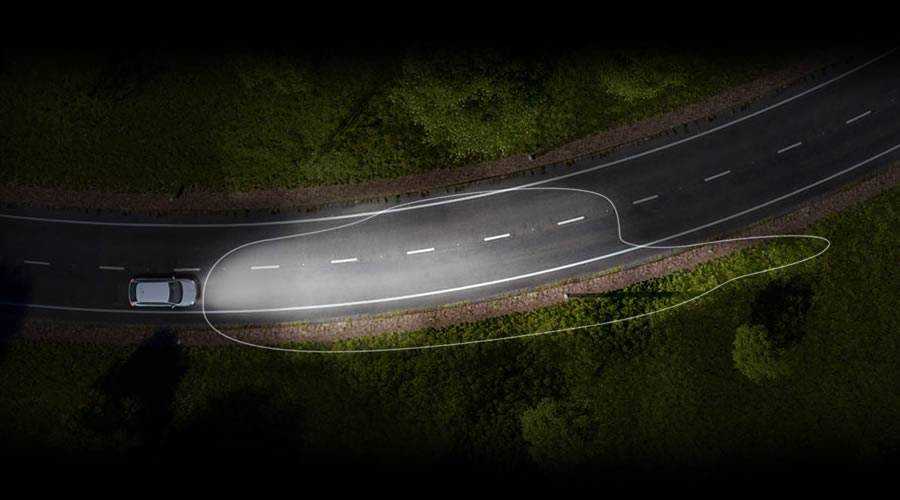
صُمم المصباح الأمامي ذو الضوء المنخفض لتوفير رؤية واضحة للطريق مع تقليل الوهج الذي قد يزعج السائقين الآخرين إلى أدنى حد. وعلى عكس المصابيح ذات الضوء العالي التي تسلط الضوء لمسافة أبعد ونطاق أوسع، فإن المصابيح ذات الضوء المنخفض تستخدم توزيعًا محكومًا للضوء مع خط قطع محدد لإضاءة الطريق أمام السيارة دون أن يسلط الضوء مباشرةً في عيون السائقين القادمين في الاتجاه المعاكس.
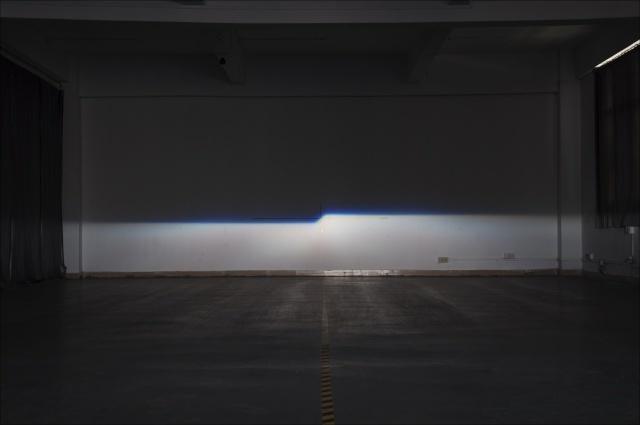
أهم جزء في نمط الضوء المنخفض هو خط القطع. هذا الحد الفاصل الحاد يفصل المنطقة المضاءة عن المنطقة المظلمة فوقها. ويقوم المصباح الأمامي المصمم بشكل صحيح بتركيز معظم الضوء أسفل خط القطع، مما يساعد السائقين على رؤية إشارات الطريق وعلامات حارات السير والعوائق، مع الحد من الضوء غير الضروري المتجه إلى الأعلى.
كيف تُشغّل الضوء المنخفض؟
هناك طريقتان رئيسيتان لتشغيل المصابيح الأمامية المنخفضة، اعتمادًا على تصميم سيارتك: طريقة ذراع التحكم وطريقة القرص.
نمط الساق: ستجد على ذراع التحكم في الإضاءة وضعًا مخصصًا لـ«الضوء المنخفض». ما عليك سوى تدوير مفتاح الذراع إلى هذا الوضع، وسوف يضيء الضوء المنخفض على الفور.
نمط الميناء:أدر القرص الدوار في اتجاه عقارب الساعة حتى يتوافق المؤشر مع رمز «الضوء المنخفض»، وستضيء المصابيح الأمامية على الفور.
كيف تعمل الأضواء القريبة:
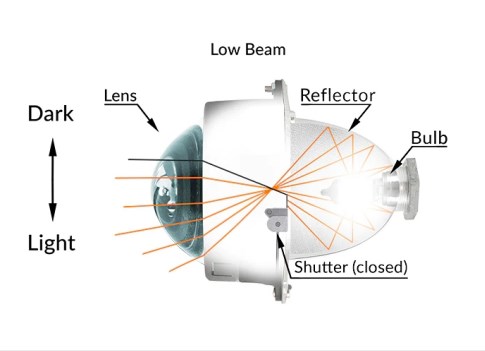
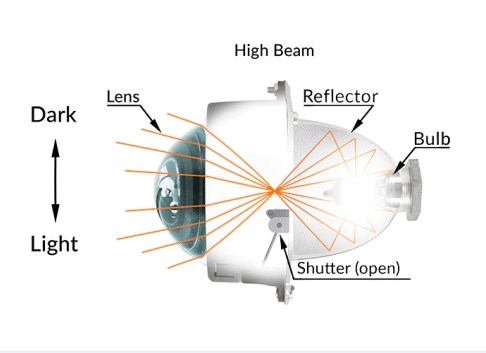
تستخدم المصابيح الأمامية ذات الشعاع الخافت مجموعة من العاكسات والعدسات ضمن مجموعة المصابيح الأمامية. يقوم العاكس بتجميع الضوء المنبعث من اللمبة وتوجيهه، بينما تقوم العدسة بتشكيل هذا الضوء وتركيزه في نمط شعاع معين. يتم توجيه الشعاع الناتج إلى الأسفل قليلاً لإضاءة الطريق أمامك من دون التسبب بتوهج للسائقين القادمين.
متى يجب عليّ استخدام الضوء المنخفض؟
صُممت المصابيح الأمامية ذات الضوء المنخفض لظروف القيادة اليومية التي تحتاج فيها إلى رؤية كافية للطريق دون التسبب في وهج غير ضروري للسائقين الآخرين.
فيما يلي الحالات الأكثر شيوعًا التي ينبغي فيها استخدام المصابيح الأمامية ذات الضوء المنخفض:
عند القيادة في الفترة ما بين غروب الشمس وشروقها
عندما يكون ضوء النهار خافتًا لدرجة لا تسمح برؤية شخص يرتدي ملابس داكنة عند 100 متر
القيادة في المناطق الحضرية أو على الطرق المضاءة جيدًا
صُممت المصابيح الأمامية العالية لتعزيز الرؤية الأمامية إلى أقصى حد من خلال توجيه الضوء لمسافة أبعد ونطاق أوسع مقارنة بالمصابيح المنخفضة.
وعلى عكس المصابيح المنخفضة، التي تركز على إضاءة الطريق بشكل متحكم فيه مع خط فاصل محدد، توفر المصابيح العالية توزيعًا أكثر اتساعًا للضوء لمساعدة السائقين على تحديد الأجسام البعيدة ومخاطر الطريق والتغيرات في ظروف الطريق.
الغرض الرئيسي من الضوء العالي هو زيادة مسافة الرؤية في حالة عدم وجود حركة مرور قريبة.
كيفية تشغيل الضوء العالي
ذراع إشارة الانعطاف بالضغط/السحب:
الطريقة الأكثر شيوعًا لتشغيل المصابيح العالية هي من خلال ذراع إشارة الانعطاف الموجود على الجانب الأيسر من عمود التوجيه. ما عليك سوى دفع الذراع بعيدًا عنك لتثبيت المصابيح العالية في وضع التشغيل، وسحبه نحوك للعودة إلى المصابيح المنخفضة.
مفتاح أو زر لوحة التحكم:
تستخدم بعض السيارات زرًا مخصصًا على لوحة العدادات بدلاً من ذراع على عمود التوجيه. ما عليك سوى الضغط عليه مرة واحدة لتشغيل المصابيح العالية، ثم الضغط عليه مرة أخرى لإيقاف تشغيلها. هذا النظام بسيط ولكنه أقل شيوعًا في السيارات الحديثة.
كيف تعمل الأضواء العالية:
تعمل المصابيح الأمامية العالية باستخدام لمبة متخصصة أكثر سطوعًا ونظام عاكس/عدسة. وعند تشغيلها، يتدفق تيار كهربائي قوي عبر اللمبة، مما يجعلها تصدر شعاعًا ضوئيًّا شديد السطوع يمتد إلى الأمام.
يساعد العاكس والعدسة على تشكيل هذا الضوء وتركيزه في شكل شعاع واسع وقوي، مما يحسّن بشكل كبير من الرؤية بعيدة المدى للسائق، لا سيما في الظروف المظلمة أو ذات الإضاءة الضعيفة.
متى يجب استخدام الضوء العالي؟
صُممت المصابيح الأمامية العالية لتلك الحالات التي تحتاج فيها إلى رؤية أبعد إلى الأمام، لا سيما على الطرق المظلمة التي تفتقر إلى إنارة الشوارع أو تفتقر إليها بشكل كبير.
ومع ذلك، لا ينبغي استخدام الضوء العالي لمجرد أن الطريق مظلم. فالأمر الأساسي هو استخدامها عندما تساهم في تحسين الرؤية دون التسبب في إبهار السائقين الآخرين. NHTSA تشير إلى أن نمط الضوء العالي ينتج مستويات إضاءة عالية في مناطق قد تسبب وهجًا غير مقبول للسائقين القادمين في الاتجاه المعاكس.
فيما يلي الحالات التي ينبغي عليك فيها تشغيل المصابيح العالية:
على الطرق المظلمة غير المضاءة
عندما لا تكون هناك مركبات قادمة في الاتجاه المعاكس
عندما لا تتبع مركبة أخرى عن قرب
على الطرق الطويلة المستقيمة ذات الرؤية المحدودة
متى يجب عليك لا هل تستخدم الضوء العالي؟
تجنب استخدام الأضواء العالية عندما قد تسبب إبهارًا لمستخدمي الطريق الآخرين، بما في ذلك:
المركبات القادمة في الاتجاه المعاكس
المركبات التي تتبعها
الطرق المزدحمة أو المضاءة جيدًا
أحوال ضبابية
يُعد الضباب عاملاً مهمًا بشكل خاص. فقد تنعكس الأضواء العالية عن قطرات الماء الموجودة في الهواء وتسبب وهجًا إضافيًّا، مما يزيد من صعوبة الرؤية. وتوصي «الخدمة الوطنية للأرصاد الجوية» في الولايات المتحدة بشكل خاص بما يلي: استخدام المصابيح المنخفضة بدلاً من المصابيح العالية في حالة الضباب.
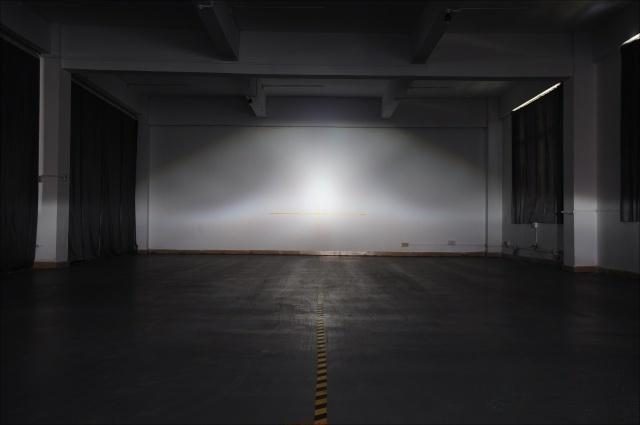
الشعاع المنخفض مقابل الشعاع العالي المنبعث من خلال جهاز العرض
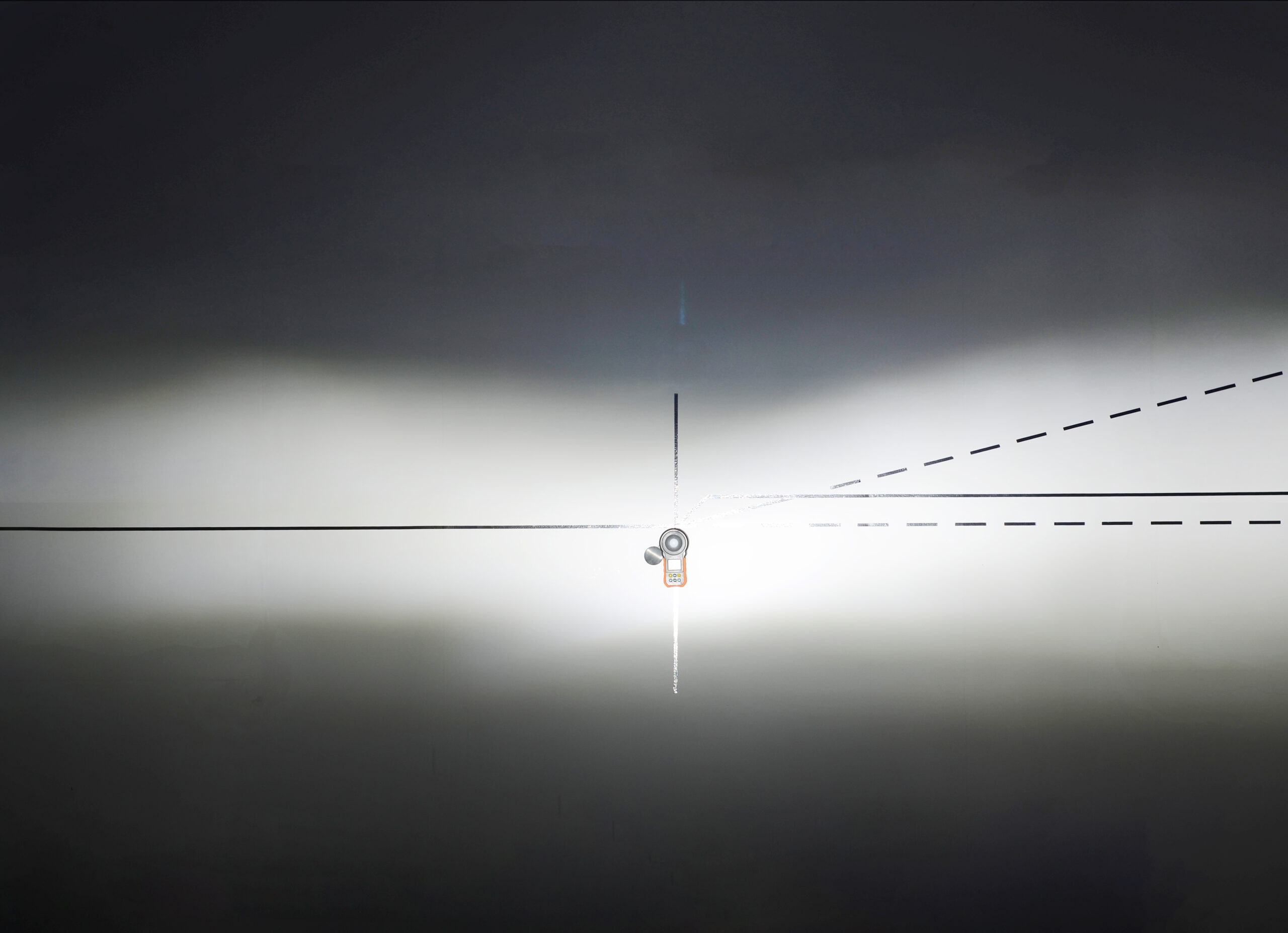
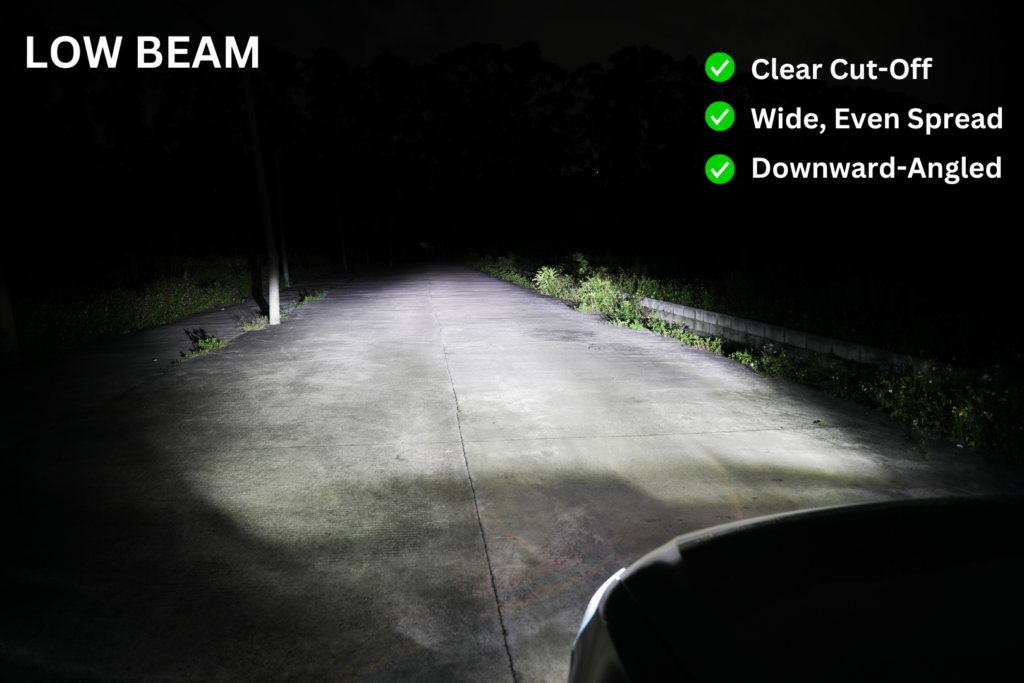
يتميز الضوء المنخفض الصادر عن المصباح الأمامي عادةً بخط قطع أفقي حاد، مع تركيز أكبر قليلاً على الجانب الأيمن من الطريق. ويهدف هذا التصميم إلى توفير إضاءة مركزة أمام السيارة مع تقليل الوهج الذي قد يؤثر على السائقين القادمين في الاتجاه المعاكس.
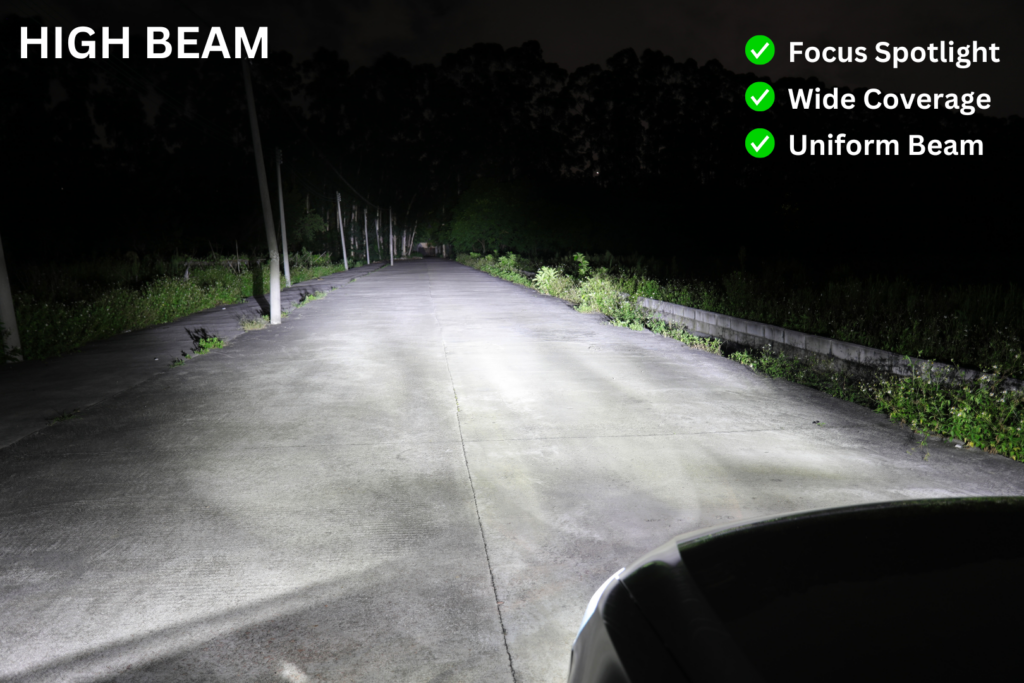
يشتمل الضوء العالي على ضوء كشاف مركزي، مما يعزز رؤية السائق على مسافات أطول.
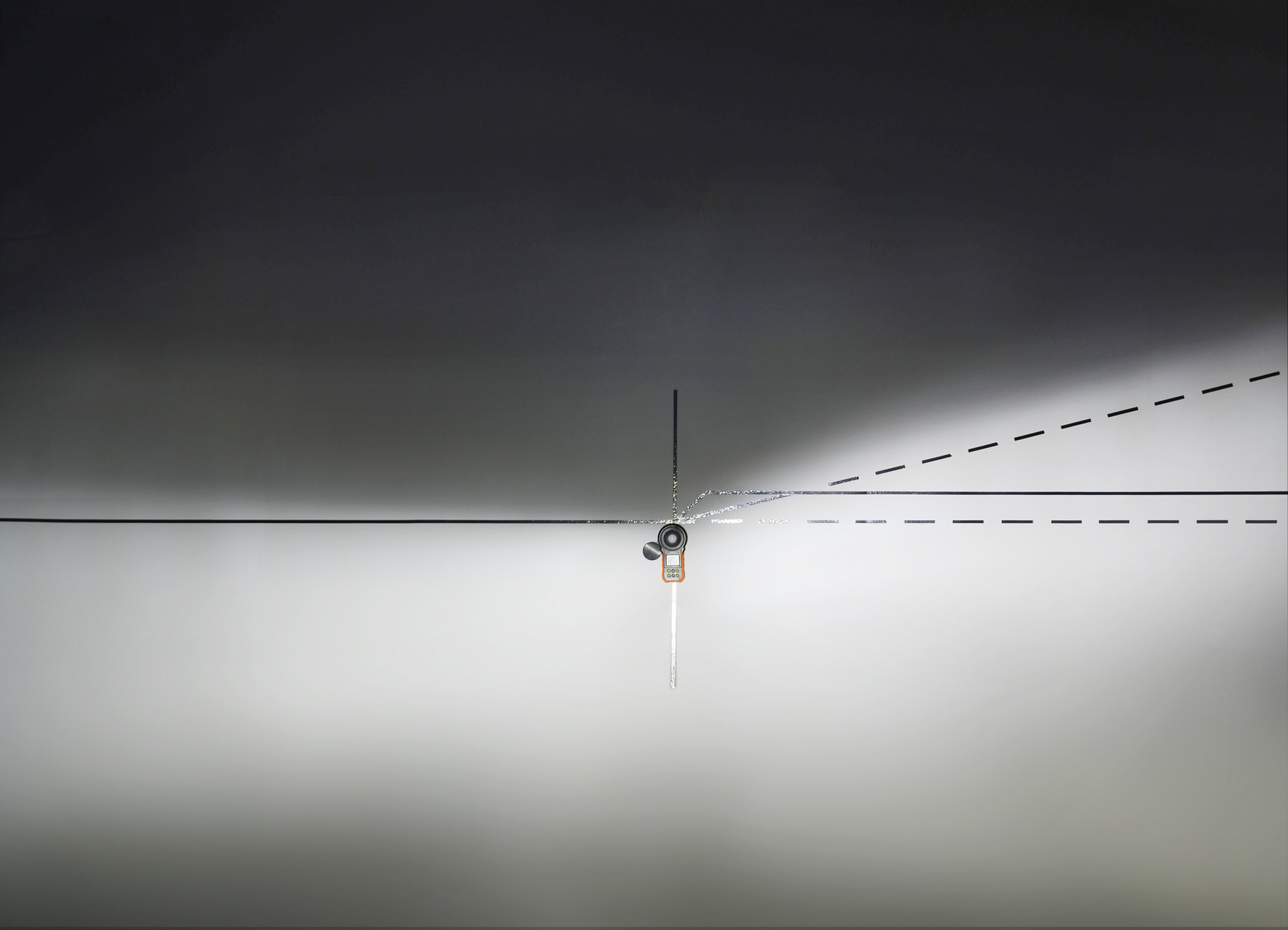
شعاع مغموس مقابل شعاع منبعث من خلال عاكس عالي الانعكاس
إذا كان لديك مصباح أمامي من النوع العاكس في سيارتك، فقد ترى أن الرسم البياني يصور نمط شعاع من النوع العاكس مع وجود مكون ضوء متماثل من الجانب الأيسر موضوع أسفل خط القطع مباشرة، مما يمنع الوهج للسائقين القادمين.
سيوفر الضوء العالي إضاءة أوسع، مما يوسع مجال رؤية السائقين.
ما الذي يجعل نمط الضوء المنخفض جيدًا؟
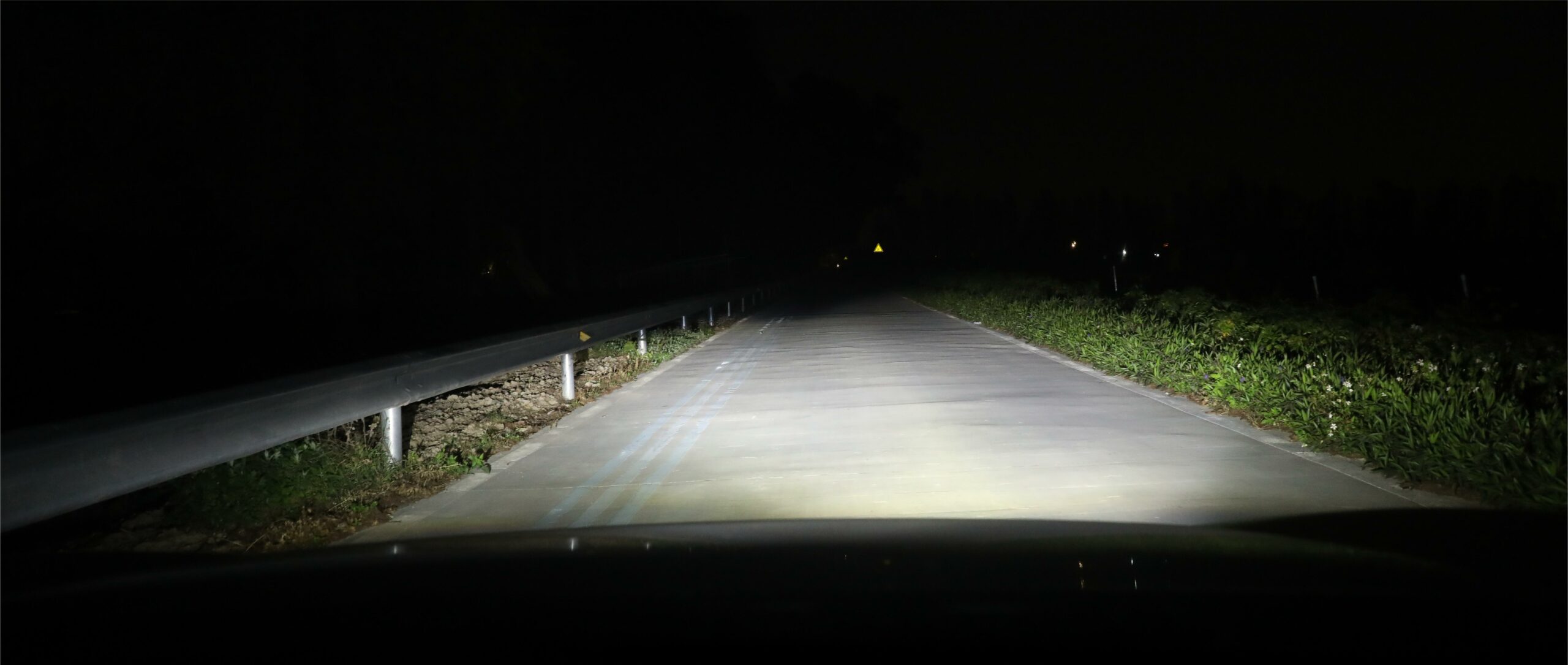
تمنحك المصابيح المنخفضة الجيدة الثقة أثناء القيادة ليلاً. يجب أن تسلط ضوءًا واسعًا ومتساويًا يضيء الطريق أمامك دون أن يعمي سائقي السيارات القادمة في الاتجاه المعاكس. ويُعد خط القطع عاملاً أساسيًّا: فهو يحافظ على توجيه الضوء نحو الطريق، وليس نحو عيون السائقين الآخرين.
عادةً ما تكون المصابيح الأمامية المنخفضة المُركَّبة في المصنع مُعايرة جيدًا لتتوافق مع معايير السلامة. وإذا قمت بالترقية إلى مصابيح LED وواجهت مشكلة الوهج، فمن المرجح أن يكون ذلك بسبب التركيب غير السليم أو عدم تطابق موضع انبعاث الضوء بين مصباح LED والغلاف الأصلي.
إذا كنت تفكر في الترقية إلى مصابيح LED، فمن الضروري فهم أنماط الإضاءة قبل الشراء.
ما الذي يجعل نمط الضوء العالي جيدًا؟
يعتمد نمط الضوء العالي الجيد بشكل أساسي على المسافة والتركيز. وعلى عكس الضوء المنخفض، المصمم ليكون عريضًا ومسطحًا، يجب أن يُسلط الضوء العالي شعاعًا مركّزًا بعيدًا على الطريق لتعظيم الرؤية الأمامية.
إذا كانت مصابيحك العالية تضيء لافتات الطريق بوضوح دون أن تسبب إبهارًا للسائقين القادمين في الاتجاه المعاكس (عند استخدامها بشكل صحيح)، فهذا يعني أن نمط الإضاءة لديك جيد.
أفضل لمبة LED للمصابيح الأمامية ذات الشعاع المنخفض
تعتمد القيادة الليلية الآمنة على مصابيح أمامية جيدة ذات شعاع منخفض. إذا كنت تفكّر في التبديل من لمبة هالوجين خافتة إلى لمبة LED جديدة، فاحرص على اختيار لمبة LED عالية الجودة بنمط الشعاع المناسب.
إليك لمبة المصباح الأمامي LED الموصى بها لدينا والتي ستتميّز بأداء عالٍ على الشعاع الخافت.
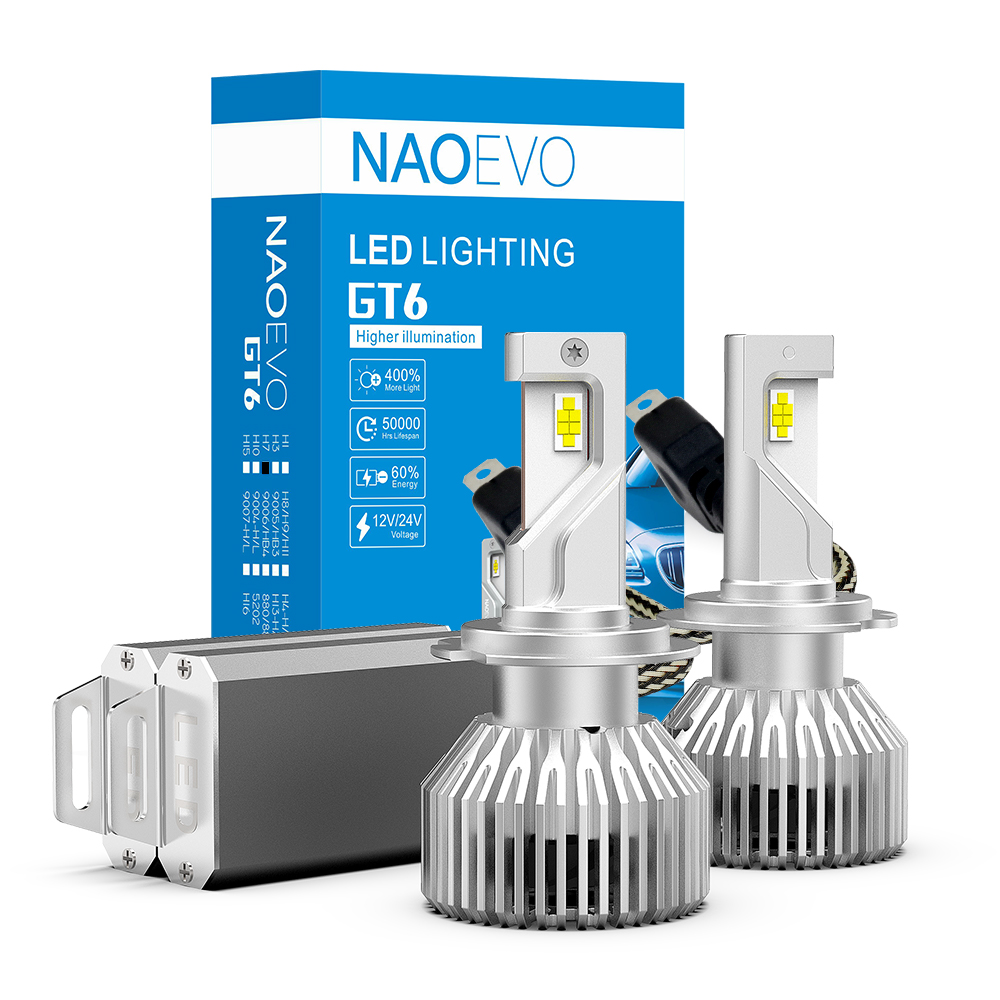
إذا كنت تبحث عن لمبات مصابيح أمامية LED فائقة السطوع لترقية الضوء المنخفض، فإن لمبات المصابيح الأمامية LED من NAOEVO GT6 هي خيارك الأمثل.
بفضل تزويدها بشريحة فليب تشيب عالية الكثافة، توفر مصابيح LED من طراز GT6 سطوعًا فائقًا يبلغ 110 واط و13200 لومن/مجموعة، وهو ما يعادل سطوعًا يزيد بنحو 4 إلى 5 أضعاف عن مصابيح الهالوجين.
علاوة على ذلك، تحاكي مصابيح LED من طراز GT6 بشكل دقيق وضع إضاءة خيوط الهالوجين، مما ينتج عنه شعاع ضوئي مثالي بخط قطع واضح، مما يضمن عدم إحداث أي وهج للآخرين.
أداء الإضاءة في GT6
أفضل لمبة LED للسيارة للمصابيح الأمامية ذات الشعاع العالي
توفر المصابيح العالية إضاءة مكثفة وبعيدة المدى لرؤية أفضل على الطرقات المظلمة، مما يساعد السائقين على رؤية أبعد في الأمام واكتشاف المخاطر المحتملة. لاختيار لمبة مصباح LED أمامي لاستبدال لمبة هالوجين، يجب مراعاة عوامل مثل السطوع والعمر الافتراضي وتبديد الحرارة.
إليك أفضل اختياراتنا من مصابيح LED للسيارة المصممة بعناية للارتقاء بأداء الإضاءة العالية.
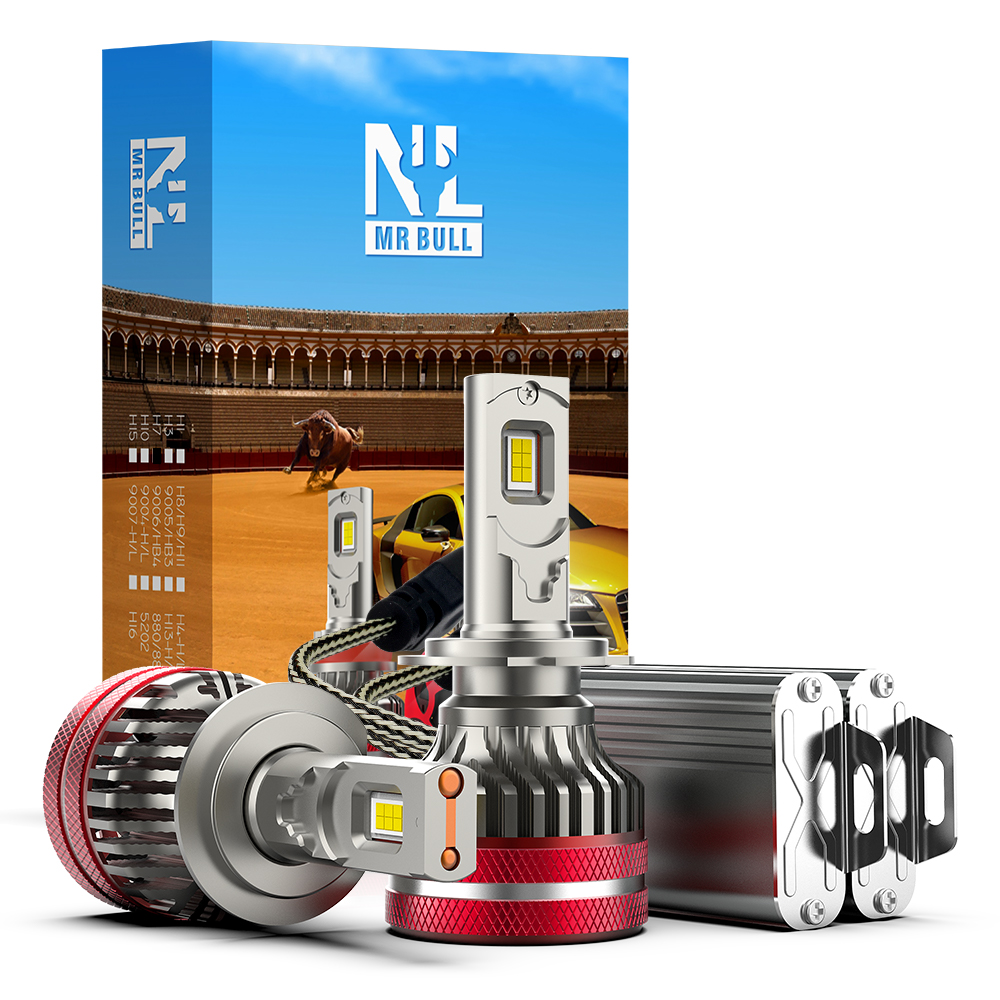
تم تصميم لمبات مصابيح NAOEVO NL الأمامية بتقنية LED لإحداث ثورة في تجربة الشعاع الكامل.
تم تجهيز هذه اللمبات بست رقاقات كبيرة قابلة للفتح، وهو إنجاز هندسي يزيد من تحويل الطاقة إلى ضوء إلى أقصى حد، مما ينتج عنه ناتج مذهل يبلغ 180 واط و21,600 لومن لكل مجموعة.
عندما تقوم بتنشيط الشعاع العالي، ستلاحظ وجود ضوء كشاف دقيق التركيز في المنتصف، مصحوباً بإضاءة عريضة وموحدة على كلا الجانبين، وهذا دليل على تقنية البصريات المتطورة من NAOEVO التي تقضي على الوهج.
بفضل نظام الأنابيب الحرارية النحاسية المزدوجة النحاسية التي تبدّد 30 واط من الحرارة بفعالية لكل منها، تتميّز هذه اللمبات بعمر افتراضي مذهل يزيد عن 50,000 ساعة.
فهي لا تقدم أداءً استثنائياً فحسب، بل إنها تُضفي لمسة بصرية رائعة بفضل تصميمها الأنيق الذي يشبه الثور وعبواتها اللافتة للنظر، وكل ذلك متوفر بأسعار الجملة الأكثر تنافسية.
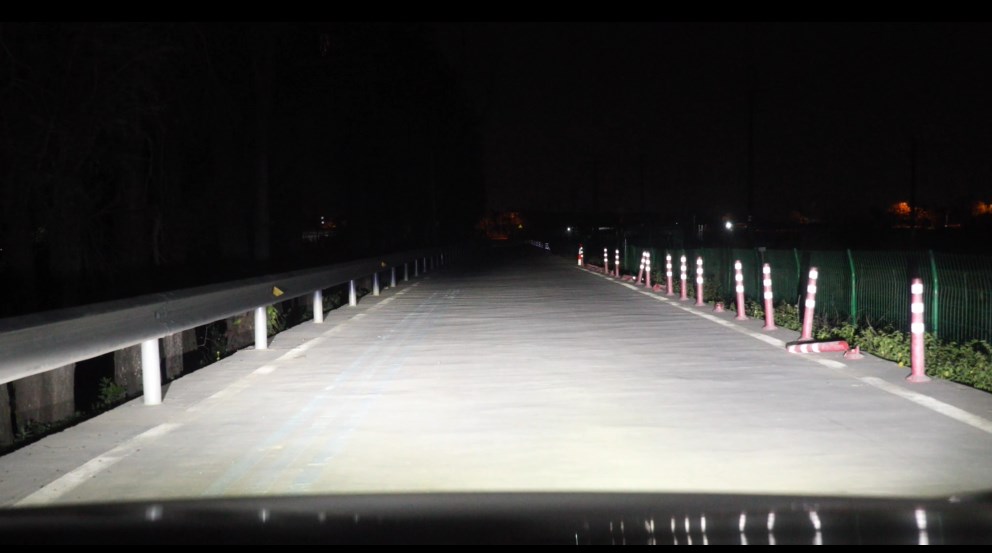
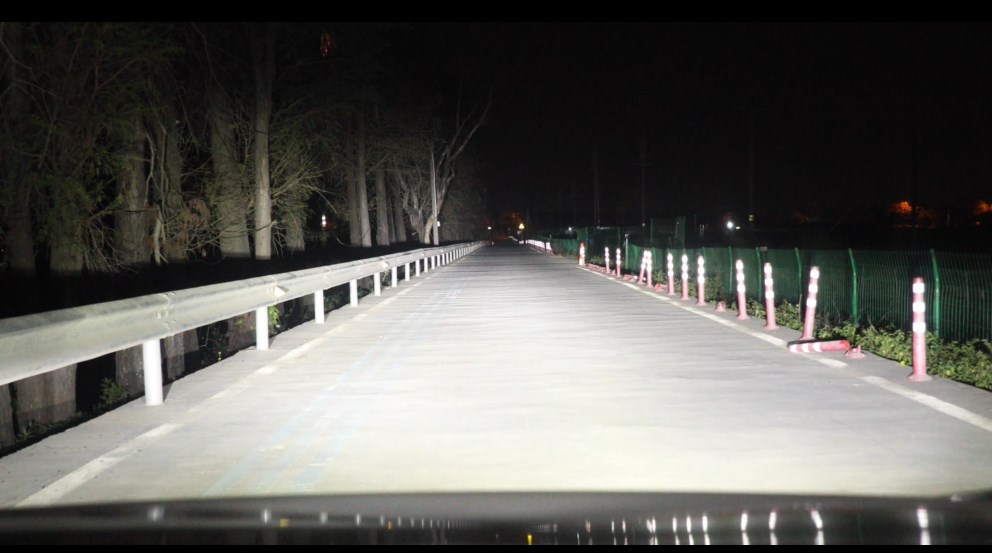
أداء الإضاءة في NL
الأسئلة الشائعة
إلى أي مسافة يجب أن يصل ضوء المصابيح الأمامية المنخفضة؟
تبلغ مسافة إضاءة الشعاع المنخفض حوالي 30-40 متراً. ووفقًا للتجارب، عند القيادة بسرعة 55 كم/ساعة ليلاً، يؤدي الكبح فور اكتشافه إلى مسافة توقف تبلغ 30 مترًا بالضبط.
هل المصباح المنخفض والمصباح العالي هما نفس المصباح؟
هذا يعتمد على سيارتك. تستخدم بعض السيارات مصباحًا واحدًا لكل من الضوء العالي والضوء المنخفض، بينما تستخدم سيارات أخرى مصباحين منفصلين، واحد لكل وظيفة.
هل يمكنني استبدال عارضة واحدة فقط دون الأخرى؟
من الناحية الفنية، نعم، لكن لا يُنصح بذلك. احرص دائمًا على استبدال المصابيح بشكل زوجي للحفاظ على توازن السطوع ونمط الشعاع.
هل تسبب الضوء العالي LED وهجاً أكثر من مصابيح الهالوجين؟
إذا تم تركيبها بشكل صحيح وتوجيهها بشكل سليم، فإنها لا تسبب وهجًا مفرطًا. ولكن إذا لم يتم ضبطها بشكل صحيح، فقد تؤدي إلى إعاقة رؤية السائقين الآخرين.
متى يجب عليّ استخدام الضوء العالي مقابل الضوء المنخفض؟
استخدم الضوء المنخفض في زحمة المرور، وفي الشوارع المضاءة، وفي حالة الضباب أو المطر، وعند الاقتراب من السيارات الأخرى.
استخدم الضوء العالي على الطرق السريعة المظلمة أو الطرق الريفية التي لا يوجد بها حركة مرور قادمة في الاتجاه المعاكس. ثم عد إلى الضوء المنخفض عند اقتراب سيارة أخرى.
الخاتمة
في الختام، يُعدّ فهم الاختلافات بين الضوء الخافت والضوء العالي أمراً ضرورياً للقيادة الليلية الآمنة والفعالة. توفر الأشعة الخافتة إضاءة مركّزة للمناطق المضاءة جيداً وتمنع التوهج عن الآخرين، بينما توفر الأشعة العالية رؤية بعيدة المدى للطرق المظلمة غير المضاءة.
إن معرفة وقت وكيفية استخدام كل إعداد من هذه الإعدادات لا يضمن سلامتك فحسب، بل يضمن أيضاً سلامة زملائك السائقين. ابقَ على اطلاع، وقُد بمسؤولية، وأعطِ الأولوية للسلامة على الطريق.








 واتساب
 العربية
  English
  Español
  Українська
  हिन्दी