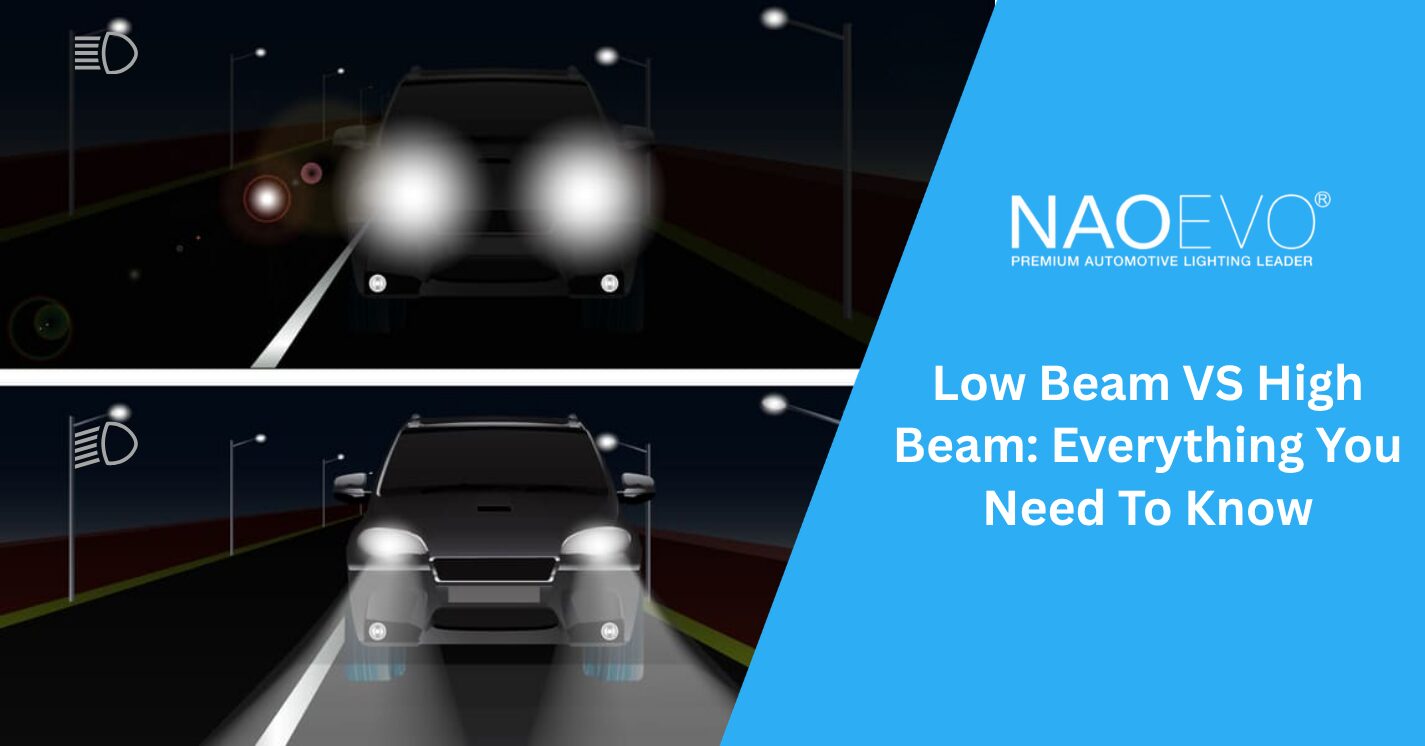
लो बीम बनाम हाई बीम: वह सब कुछ जो आपको जानना ज़रूरी है
पर प्रकाशित
२ सितंबर, २०२६
कई ड्राइवर लो बीम और हाई बीम में बुनियादी अंतर जानते हैं, फिर भी उनमें से अधिकांश रोज़मर्रा की ड्राइविंग में इन लाइटों का सही तरीके से उपयोग नहीं करते। साथ ही, जब कुछ कार मालिक LED हेडलाइट्स में अपग्रेड करते हैं, तो वे अक्सर इस बात से भ्रमित रहते हैं कि उनकी लो बीम अभी भी सामने आने वाले ट्रैफ़िक को क्यों चकाचौंध कर देती है।
इस लेख में हम न केवल लो बीम और हाई बीम के बीच के अंतर और इन्हें कब-कब इस्तेमाल करना चाहिए, यह समझाएंगे, बल्कि यह भी विस्तार से बताएंगे कि अन्य चालकों को चकाचौंध से बचाने के लिए एलईडी हेडलाइट्स का सही चयन और स्थापना कैसे करें।
लो बीम बनाम हाई बीम: त्वरित तुलना
निम्न बीम
ऊँची किरण
उद्देश्य
रोज़ाना/रात में ड्राइविंग
अधिकतम दृश्यता
बीम पैटर्न
संकीर्ण, नीचे की ओर झुका
आगे तक फैली बीम
प्रकाश दूरी
संक्षिप्त
लंबा
कटऑफ़ रेखा
परिभाषित
आमतौर पर कम प्रतिबंधात्मक
उपयोग
यातायात, बारिश, शहर
अँधेरी सड़कें, राजमार्ग
चकाचौंध का खतरा
कम
उच्च
निम्न बीम पैटर्न की व्याख्या
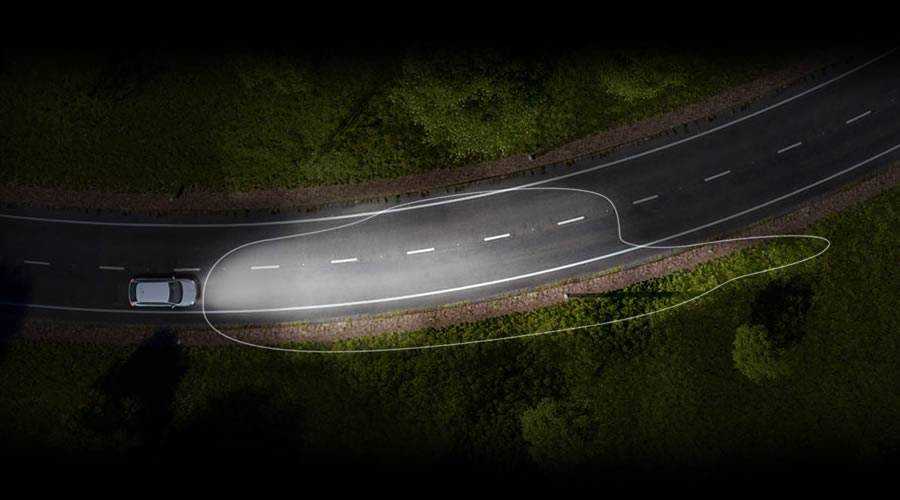
लो बीम हेडलाइट को अन्य चालकों के लिए चमक को कम करते हुए सड़क की स्पष्ट दृश्यता प्रदान करने के लिए डिज़ाइन किया गया है। हाई बीम्स की तुलना में, जो प्रकाश को अधिक दूर और चौड़ा फैलाते हैं, लो बीम्स नियंत्रित प्रकाश वितरण और एक विशिष्ट कटऑफ रेखा का उपयोग करते हैं, जिससे आने वाले यातायात की आँखों में सीधे प्रकाश डाले बिना सड़क को रोशन किया जा सके।
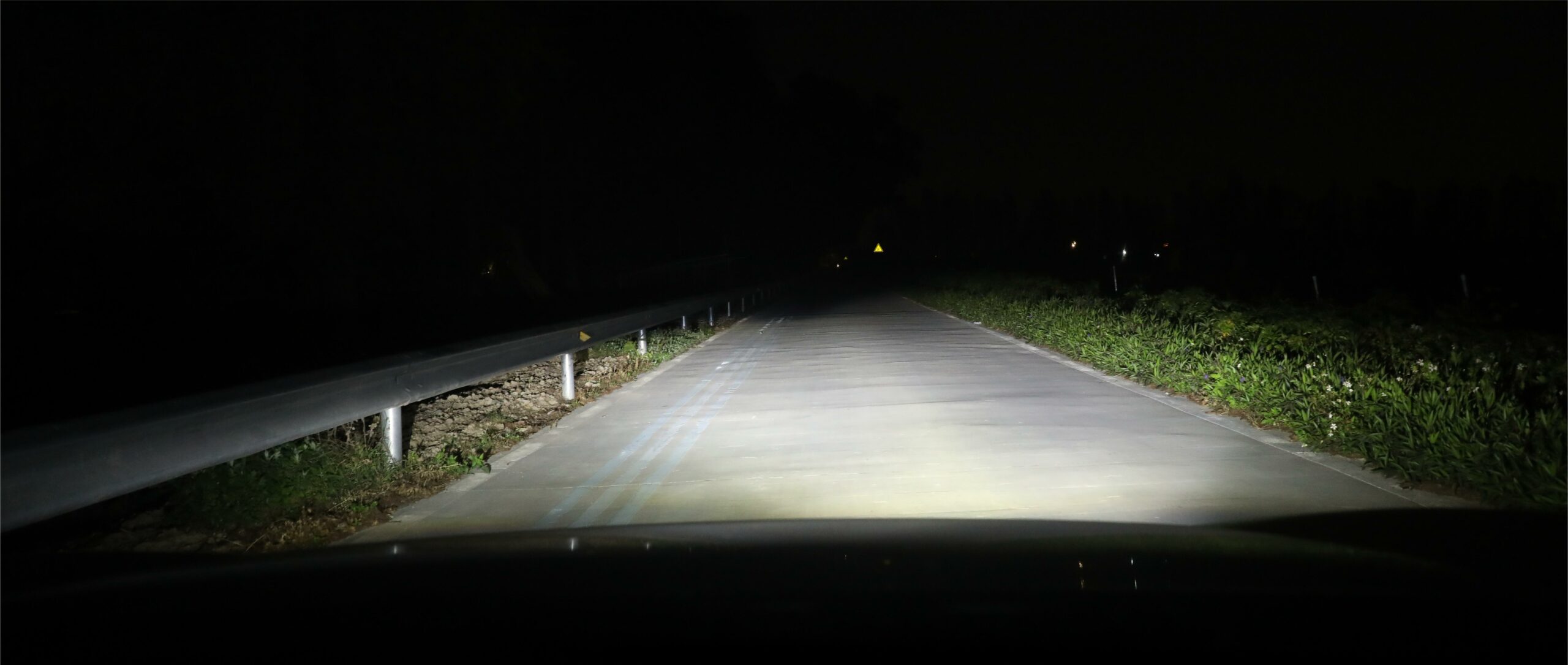
लो बीम पैटर्न का सबसे महत्वपूर्ण हिस्सा कटऑफ लाइन है। यह तीक्ष्ण सीमा प्रकाशित क्षेत्र को उससे ऊपर के अंधेरे क्षेत्र से अलग करती है। एक सही ढंग से डिज़ाइन की गई हेडलाइट अधिकांश प्रकाश को कटऑफ लाइन के नीचे रखती है, जिससे ड्राइवर सड़क संकेत, लेन मार्किंग और बाधाओं को देख सकते हैं, साथ ही अनावश्यक ऊपर की ओर जाने वाली रोशनी कम होती है।
अपनी लो बीम कैसे चालू करें?
आपकी लो बीम्स चालू करने के दो मुख्य तरीके हैं, जो आपके वाहन के डिज़ाइन पर निर्भर करते हैं: स्टॉक-स्टाइल और डायल-स्टाइल।
स्टॉक-शैली: लाइट नियंत्रण स्टॉक पर आपको एक समर्पित "लो बीम" स्थिति दिखाई देगी। बस स्टॉक स्विच को इस स्थिति में घुमाएँ, और आपकी लो बीम्स तुरंत चालू हो जाएँगी।
डायल-शैली:घड़ी की सुई की दिशा में रोटरी डायल को तब तक घुमाएँ जब तक संकेतक "लो बीम" प्रतीक के साथ संरेखित न हो जाए, और आपकी हेडलाइटें तुरंत जल उठेंगी।
लो बीम कैसे काम करता है:
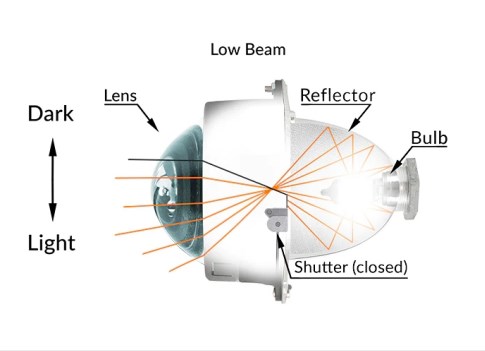
डिप्ड बीम हेडलाइट्स हेडलाइट असेंबली में रिफ्लेक्टरों और लेंसों के संयोजन का उपयोग करती हैं। रिफ्लेक्टर बल्ब से उत्सर्जित प्रकाश को एकत्रित कर निर्देशित करता है, जबकि लेंस इस प्रकाश को एक विशिष्ट बीम पैटर्न में आकार देकर केंद्रित करता है। परिणामी बीम को थोड़ा नीचे की ओर झुकाया जाता है ताकि आने वाले ड्राइवरों को चकाचौंध किए बिना सड़क को रोशन किया जा सके।
मुझे लो बीम का उपयोग कब करना चाहिए?
लो बीम हेडलाइट्स रोज़मर्रा की ड्राइविंग परिस्थितियों के लिए डिज़ाइन की गई हैं, जहाँ आपको अन्य ड्राइवरों के लिए अनावश्यक चकाचौंध पैदा किए बिना पर्याप्त सड़क दृश्यता की आवश्यकता होती है।
यहाँ वे सबसे आम परिस्थितियाँ हैं जहाँ आपको लो बीम हेडलाइट्स का उपयोग करना चाहिए:
सूर्यास्त और सूर्योदय के बीच ड्राइविंग करते समय
जब दिन की रोशनी इतनी कम हो कि अँधेरे कपड़े पहने व्यक्ति को 100 मीटर
शहरी क्षेत्रों या अच्छी रोशनी वाली सड़कों पर ड्राइविंग
हाई बीम हेडलाइट्स को लो बीम की तुलना में प्रकाश को अधिक दूर और चौड़ा प्रक्षेपित करके आगे की दृश्यता को अधिकतम करने के लिए डिज़ाइन किया गया है।
निम्न बीम, जो परिभाषित कटऑफ रेखा के साथ नियंत्रित सड़क प्रकाश पर केंद्रित होती हैं, के विपरीत, उच्च बीम अधिक खुली प्रकाश वितरण प्रदान करती हैं, जिससे चालकों को दूरस्थ वस्तुओं, सड़क खतरों और सड़क की परिस्थितियों में बदलाव को पहचानने में मदद मिलती है।
उच्च बीम का मुख्य उद्देश्य तब देखने की दूरी बढ़ाना है जब आसपास कोई यातायात न हो।
अपनी हाई बीम कैसे चालू करें
धकेलें/खींचें टर्न सिग्नल लीवर:
आपकी हाई बीम को सक्रिय करने का सबसे आम तरीका आपके स्टीयरिंग कॉलम के बाईं ओर स्थित टर्न सिग्नल लीवर के माध्यम से है। बस लीवर को अपनी ओर से दूर धकेलें ताकि हाई बीम चालू हो जाएं, और अपनी ओर खींचें ताकि लो बीम पर वापस आ जाएं।
डैशबोर्ड स्विच या बटन:
कुछ वाहन स्टीयरिंग कॉलम लीवर के बजाय डैशबोर्ड पर एक समर्पित बटन का उपयोग करते हैं। बस इसे एक बार दबाएँ तो हाई बीम चालू हो जाएँगी, और फिर से दबाने पर वे बंद हो जाएँगी। यह व्यवस्था सरल है, लेकिन आधुनिक कारों में कम आम है।
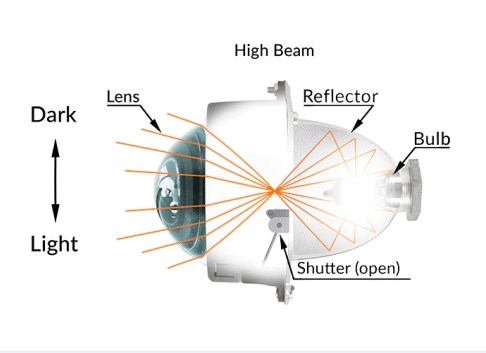
हाई बीम कैसे काम करता है:
उच्च बीम हेडलाइट्स एक विशेष, अधिक उज्जवल बल्ब और एक रिफ्लेक्टर/लेंस प्रणाली का उपयोग करके काम करती हैं। सक्रिय होने पर, एक मजबूत विद्युत धारा बल्ब से होकर गुजरती है, जिससे यह एक तीव्र, आगे तक फैली प्रकाश किरण उत्सर्जित करता है।
रिफ्लेक्टर और लेंस इस प्रकाश को आकार देने और फोकस करके एक व्यापक और शक्तिशाली बीम पैटर्न बनाते हैं, जिससे ड्राइवर की लंबी दूरी की दृश्यता में, विशेष रूप से अंधेरे या कम रोशनी वाली परिस्थितियों में, काफी सुधार होता है।
मुझे हाई बीम कब इस्तेमाल करनी चाहिए?
हाई बीम हेडलाइट्स उन परिस्थितियों के लिए डिज़ाइन की गई हैं जहाँ आपको आगे दूर तक देखना होता है, विशेष रूप से अंधेरी सड़कों पर जहाँ बहुत कम या बिल्कुल भी स्ट्रीट लाइटिंग नहीं होती।
हालाँकि, सिर्फ इसलिए कि सड़क अंधेरी है, हाई बीम का उपयोग नहीं करना चाहिए। मुख्य बात यह है कि उनका उपयोग तब करें जब वे आपकी दृश्यता में सुधार करें और अन्य चालकों के लिए चकाचौंध न पैदा करें। एनएचटीएसए ध्यान दें कि हाई-बीम पैटर्न उन क्षेत्रों में उच्च प्रकाश स्तर उत्पन्न करता है जो सामने से आने वाले ड्राइवरों के लिए अस्वीकार्य चकाचौंध पैदा कर सकते हैं।
यहाँ वे परिस्थितियाँ हैं जब आपको अपनी हाई बीम चालू करनी चाहिए:
अँधेरी, बिना रोशनी वाली सड़कों पर
जब सामने कोई वाहन न हो
जब आप किसी दूसरे वाहन का बहुत करीब से पीछा नहीं कर रहे हैं
सीमित दृश्यता वाले लंबे, सीधे रास्तों पर
आपको कब करना चाहिए नहीं हाई बीम का उपयोग करें?
जब वे अन्य सड़क उपयोगकर्ताओं को चकाचौंध कर सकते हैं, तो तेज़ रोशनी का उपयोग न करें, जिनमें शामिल हैं:
आमने-सामने आने वाले वाहन
आप जिन वाहनों का पीछा कर रहे हैं
व्यस्त या अच्छी रोशनी वाली सड़कें
धुंधली परिस्थितियाँ
धुंध विशेष रूप से महत्वपूर्ण है। उच्च बीम हवा में मौजूद पानी की बूंदों से परावर्तित होकर अतिरिक्त चमक पैदा कर सकती हैं, जिससे देखना और भी मुश्किल हो जाता है। अमेरिकी राष्ट्रीय मौसम सेवा विशेष रूप से अनुशंसा करती है। धुंध में हाई बीम की बजाय लो बीम का उपयोग करें.
प्रोजेक्टर से उत्सर्जित डिप्ड बीम बनाम हाई बीम
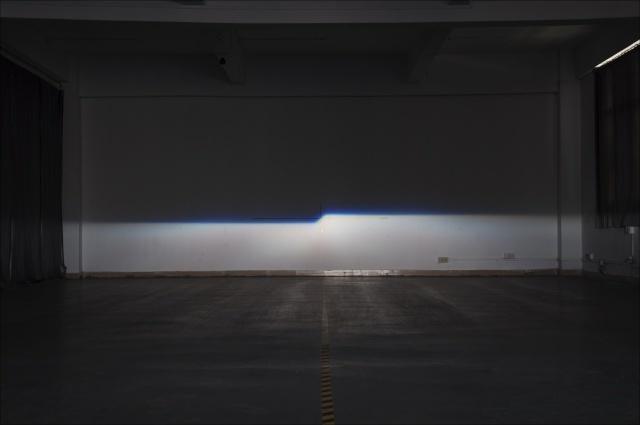
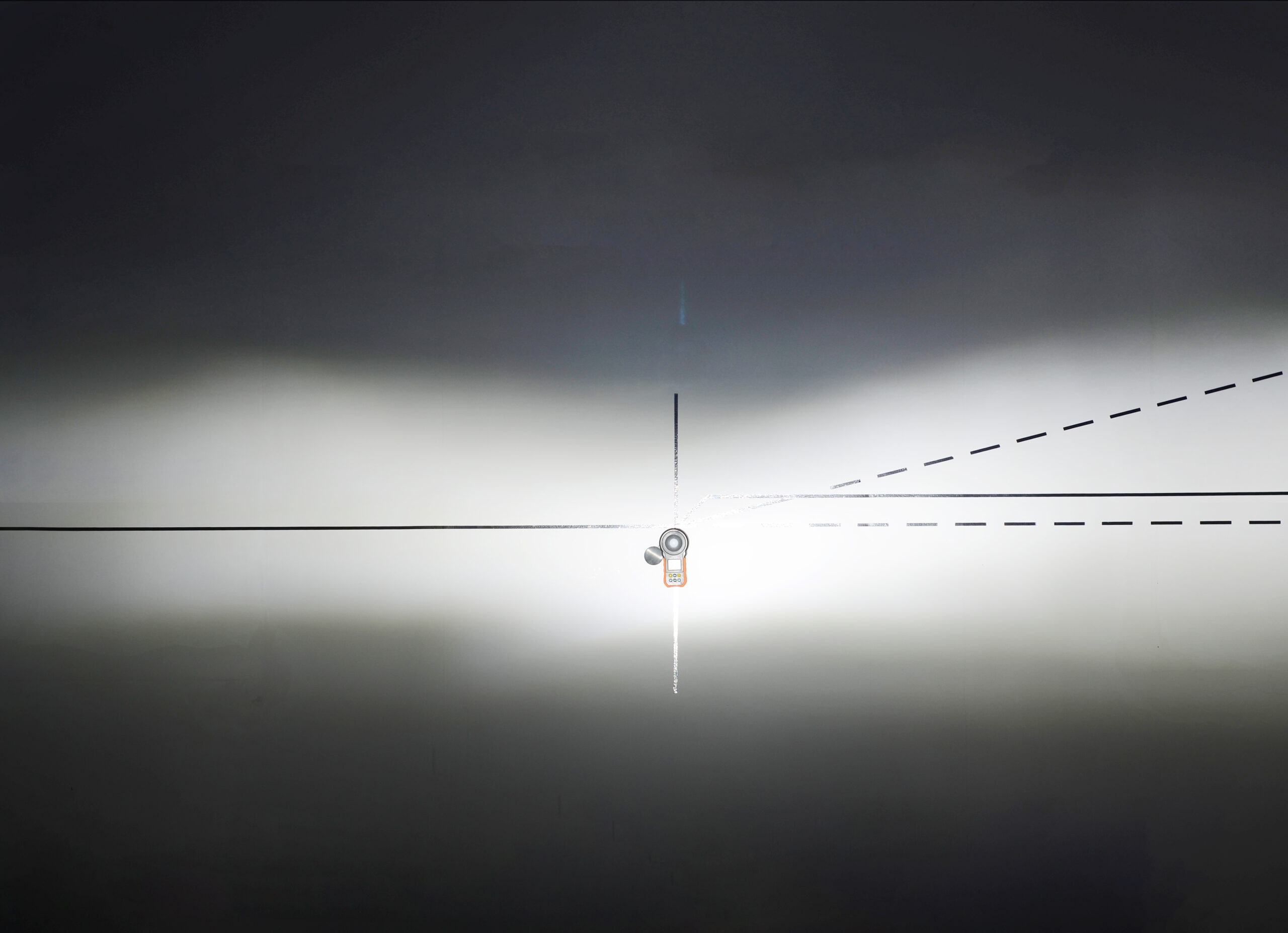
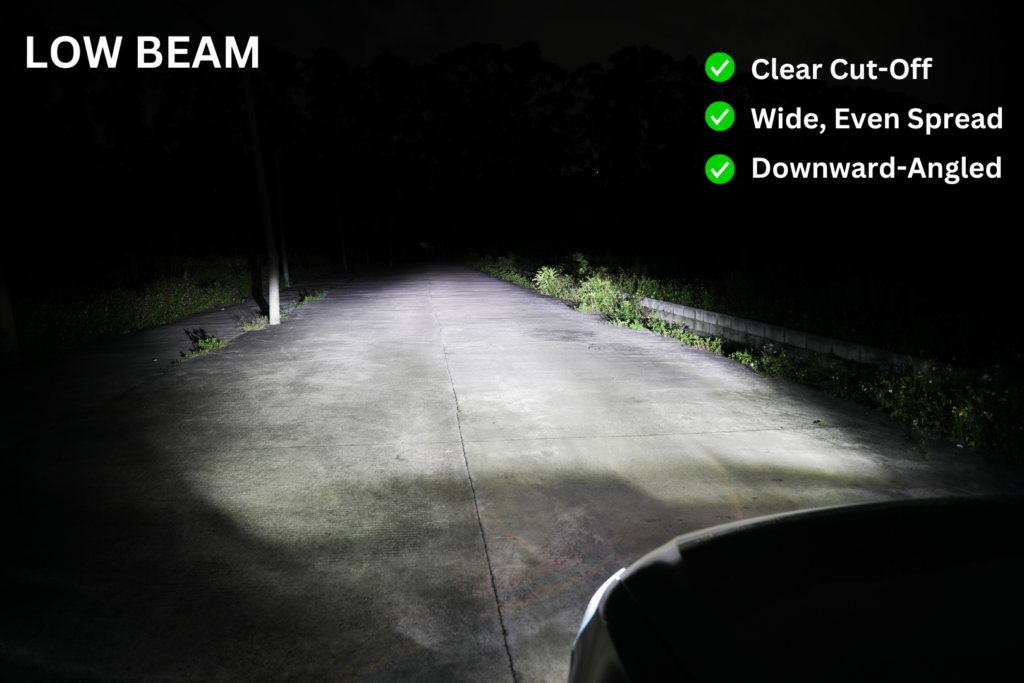
प्रोजेक्टर हेडलाइट की लो बीम में आमतौर पर एक तीक्ष्ण क्षैतिज कटऑफ रेखा होती है, जिसमें सड़क के दाहिने हिस्से पर थोड़ा अधिक जोर दिया जाता है। इस डिज़ाइन का उद्देश्य आगे केंद्रित प्रकाश प्रदान करना है, साथ ही सामने से आने वाले चालकों के लिए चमक को कम करना है।
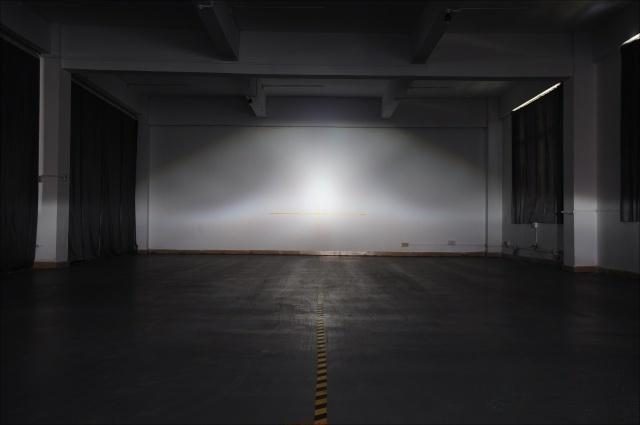
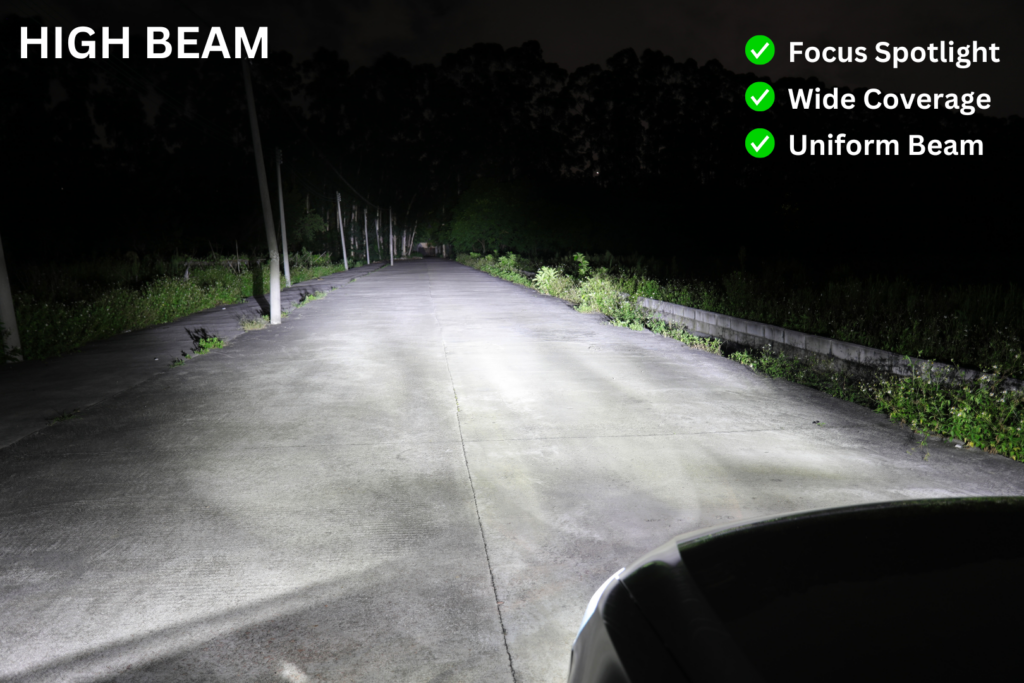
उच्च बीम में एक केंद्रीय स्पॉटलाइट शामिल है, जो लंबी दूरी पर ड्राइवर की दृश्यता को बढ़ाता है।
डिप बीम बनाम रिफ्लेक्टर से उच्च उत्सर्जित
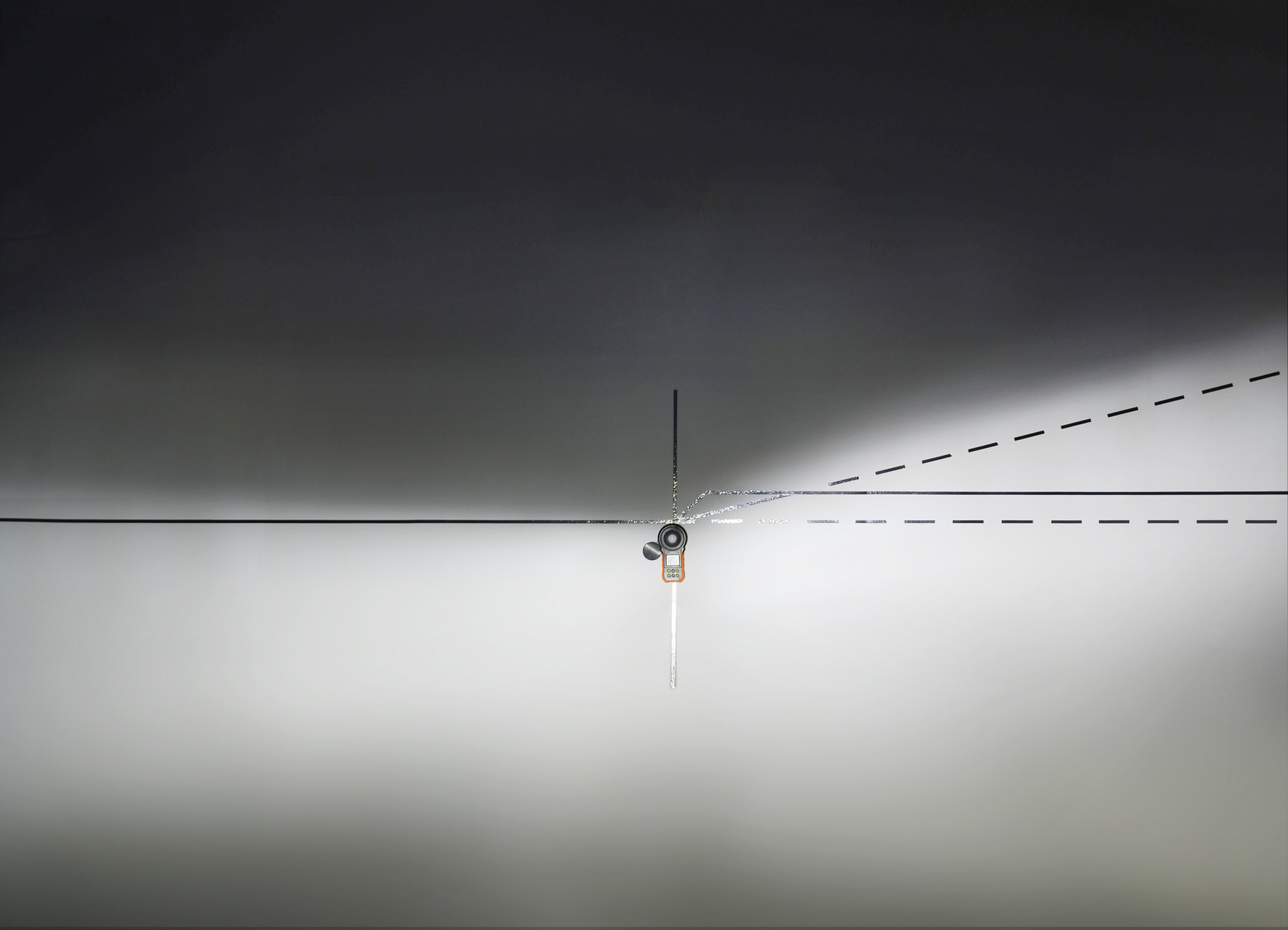
यदि आपकी कार में रिफ्लेक्टर-प्रकार की हेडलाइट है, तो आप देख सकते हैं कि ग्राफ़ एक रिफ्लेक्टर-प्रकार के बीम पैटर्न को दर्शाता है, जिसमें कटऑफ़ रेखा के ठीक नीचे स्थित सममित बाईं ओर का प्रकाश घटक सामने से आने वाले चालकों के लिए चकाचौंध को रोकता है।
उच्च बीम व्यापक प्रकाश प्रदान करेगा, जिससे चालकों का दृष्टिक्षेत्र विस्तृत होगा।
एक अच्छा लो बीम पैटर्न क्या बनाता है?
एक बेहतरीन लो बीम आपको रात में आत्मविश्वास देता है। यह एक चौड़ी, समान किरण फैलाए जो आगे की सड़क को रोशन करे बिना सामने से आने वाले वाहनों को अंधा न करे। कट-ऑफ लाइन सबसे महत्वपूर्ण है: यह प्रकाश को सड़क पर ही केंद्रित रखती है, न कि दूसरे चालकों की आँखों में।
कारखाने में स्थापित लो बीम आमतौर पर सुरक्षा मानकों को पूरा करने के लिए अच्छी तरह से कैलिब्रेट किए जाते हैं। यदि आप एलईडी में अपग्रेड करते हैं और चमक होती है, तो यह संभवतः गलत स्थापना या एलईडी और मूल हाउसिंग के बीच प्रकाश उत्सर्जन स्थिति में असंगति के कारण है।
यदि आप LED अपग्रेड पर विचार कर रहे हैं, तो खरीदारी करने से पहले बीम पैटर्न को समझना महत्वपूर्ण है।
एक अच्छा हाई बीम पैटर्न क्या बनाता है?
एक अच्छा हाई बीम पैटर्न पूरी तरह से दूरी और फोकस पर निर्भर करता है। लो बीम्स, जो चौड़े और समतल होते हैं, के विपरीत, हाई बीम्स को सड़क पर दूर तक एक केंद्रित किरण प्रक्षेपित करनी चाहिए ताकि आपकी आगे की दृश्यता अधिकतम हो सके।
यदि आपकी हाई बीम सड़क के संकेत चिह्नों को स्पष्ट रूप से रोशन करती हैं लेकिन (उचित रूप से उपयोग करने पर) सामने से आने वाले वाहनों को अंधा नहीं करतीं, तो आपके पास एक अच्छा पैटर्न है।
डिप्ड बीम हेडलाइट के लिए सर्वश्रेष्ठ एलईडी बल्ब
रात में सुरक्षित ड्राइविंग अच्छी लो-बीम हेडलाइट्स पर निर्भर करती है। यदि आप धुंधले हैलोजन बल्ब को नए LED बल्ब से बदलने का सोच रहे हैं, तो सही बीम पैटर्न वाला उच्च-गुणवत्ता वाला LED बल्ब चुनें।
यह हमारी सबसे अनुशंसित एलईडी हेडलाइट बल्ब है, जो डिप्ड बीम पर उच्च प्रदर्शन करेगी।
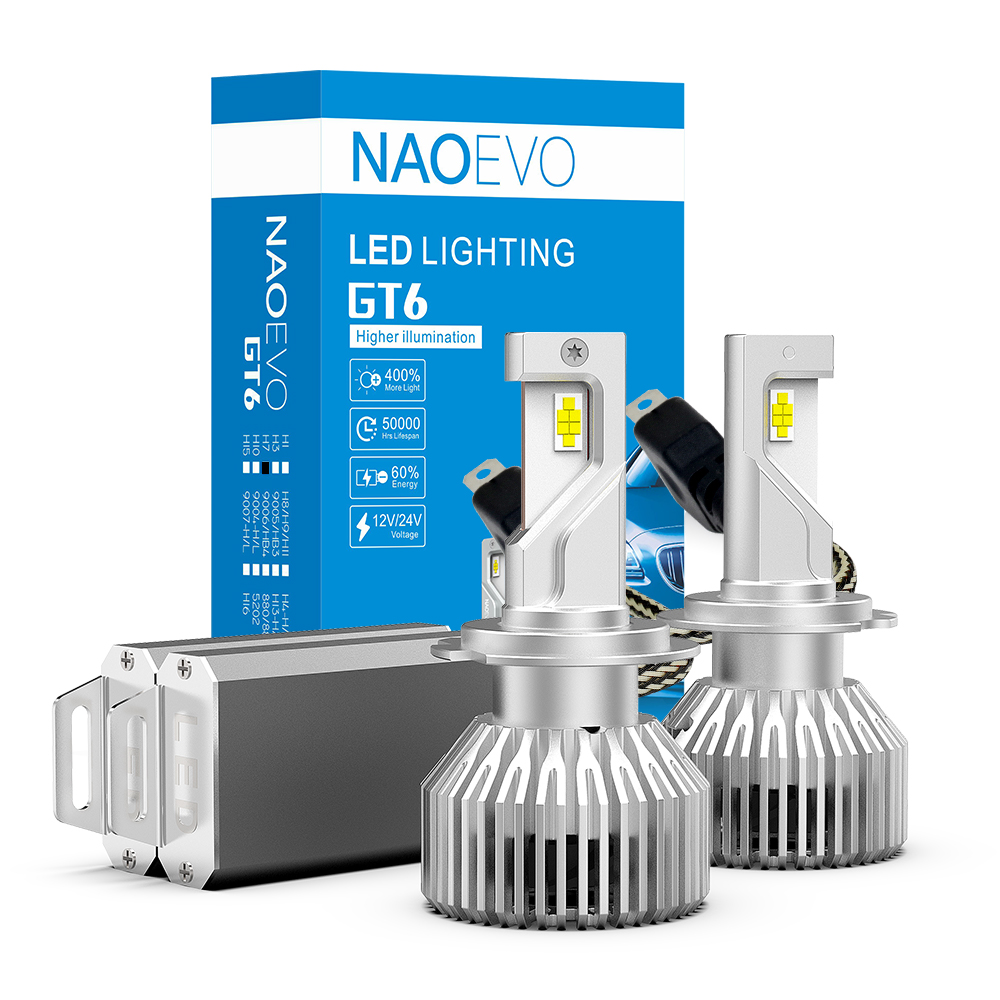
यदि आप अपनी लो बीम को अपग्रेड करने के लिए बेहद चमकदार LED हेडलाइट बल्ब की तलाश में हैं, तो NAOEVO GT6 LED हेडलाइट बल्ब आपका सर्वश्रेष्ठ विकल्प होना चाहिए।
उच्च-तीव्रता वाले फ्लिप-चिप से लैस, GT6 LED बल्ब 110W 13200LM/सेट की अल्ट्रा-उच्च चमक प्रदान करने में सक्षम हैं, जो हैलोजन से लगभग 4–5 गुना अधिक चमकदार है।
इसके अलावा, GT6 LED बल्ब हैलोजन फिलामेंट की प्रकाश स्थिति का सटीक अनुकरण करते हैं, जिससे एक त्रुटिहीन प्रकाश किरण बनती है जिसमें एक स्पष्ट कटऑफ रेखा होती है, और यह सुनिश्चित होता है कि दूसरों को कोई चकाचौंध न हो।
GT6 का प्रकाश प्रदर्शन
हाई बीम हेडलाइट के लिए सर्वश्रेष्ठ एलईडी कार बल्ब
उच्च बीम अंधेरी सड़कों पर बेहतर दृश्यता के लिए तीव्र, लंबी दूरी की रोशनी प्रदान करते हैं, जिससे ड्राइवर आगे तक देख सकते हैं और संभावित खतरों का पता लगा सकते हैं। हैलोजन बल्ब की जगह लेने के लिए एलईडी हेडलाइट बल्ब चुनते समय चमक, आयु और ऊष्मा अपव्यय जैसे कारकों पर विचार करें।
यहाँ हमारी शीर्ष LED कार लाइट्स हैं, जिन्हें आपकी हाई बीम प्रदर्शन को बेहतर बनाने के लिए सोच-समझकर डिज़ाइन किया गया है।
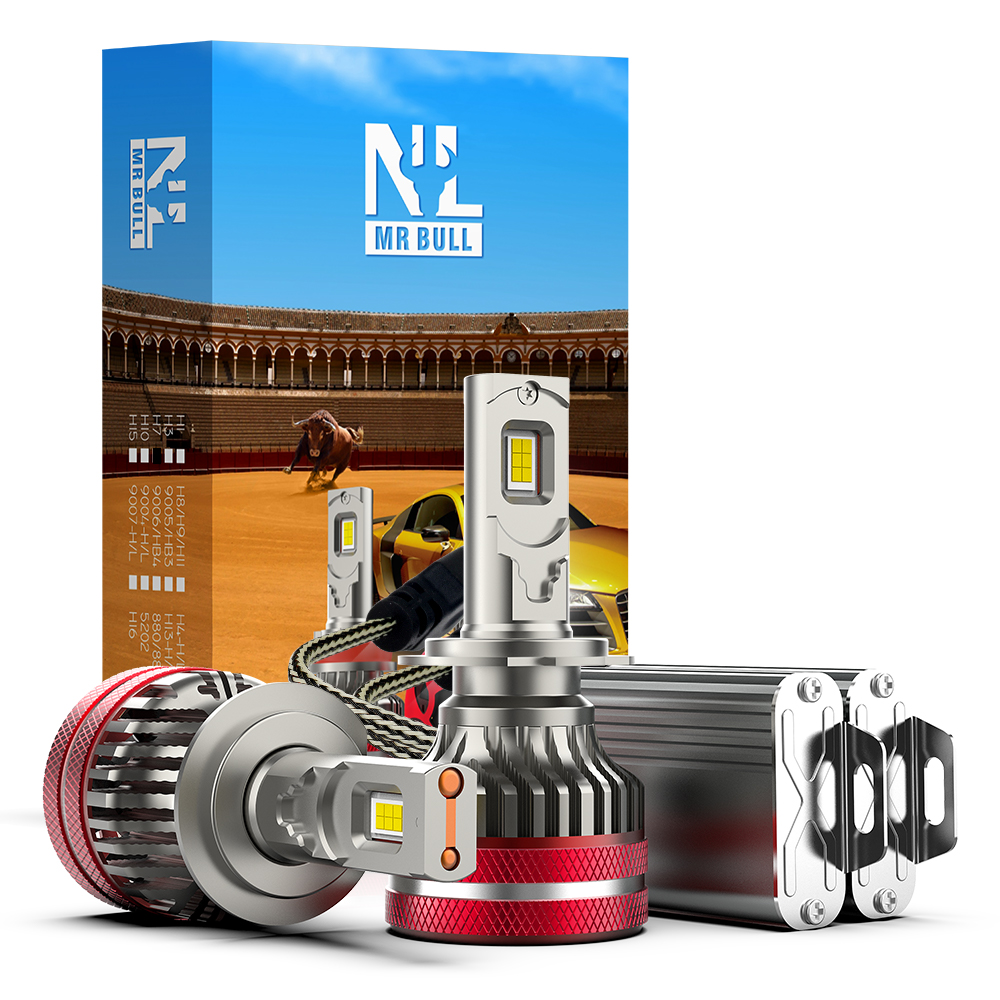
NAOEVO NL LED हेडलाइट बल्ब आपके फुल बीम अनुभव में क्रांति लाने के लिए डिज़ाइन किए गए हैं।
ये बल्ब छह बड़े फ्लिप चिप्स से लैस हैं, जो ऊर्जा-से-प्रकाश रूपांतरण को अधिकतम करने वाली एक अभियांत्रिक उपलब्धि है, जिसके परिणामस्वरूप एक प्रभावशाली आउटपुट होता है। 180W और 21,600LM प्रति सेट
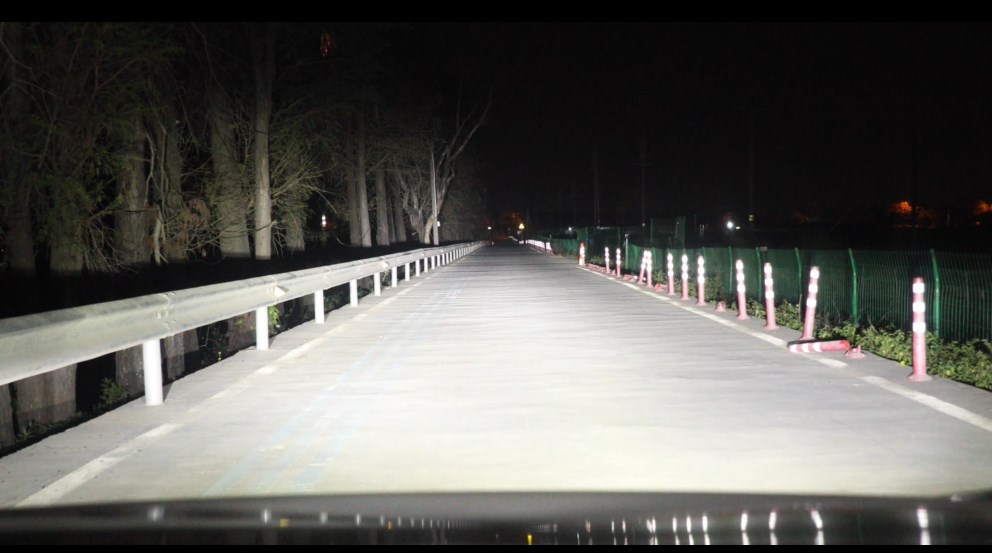
जब आप हाई बीम सक्रिय करते हैं, तो आप केंद्र में एक सटीक केंद्रित स्पॉटलाइट देखेंगे, साथ ही दोनों ओर समान रूप से फैली व्यापक रोशनी भी दिखेगी, जो चकाचौंध को खत्म करने वाली NAOEVO की अत्याधुनिक ऑप्टिक्स तकनीक का प्रमाण है।
प्रत्येक 30 वाट की गर्मी को प्रभावी रूप से निकासित करने वाली दोहरी तांबे की हीट पाइप प्रणाली के साथ, ये बल्ब 50,000 घंटे से अधिक की असाधारण आयु का दावा करते हैं।
वे न केवल असाधारण प्रदर्शन करते हैं, बल्कि अपने स्टाइलिश बुल डिज़ाइन और आकर्षक Bullring पैकेजिंग के साथ एक दृश्य प्रभाव भी पैदा करते हैं, और ये सभी सबसे प्रतिस्पर्धी थोक मूल्य पर उपलब्ध हैं।
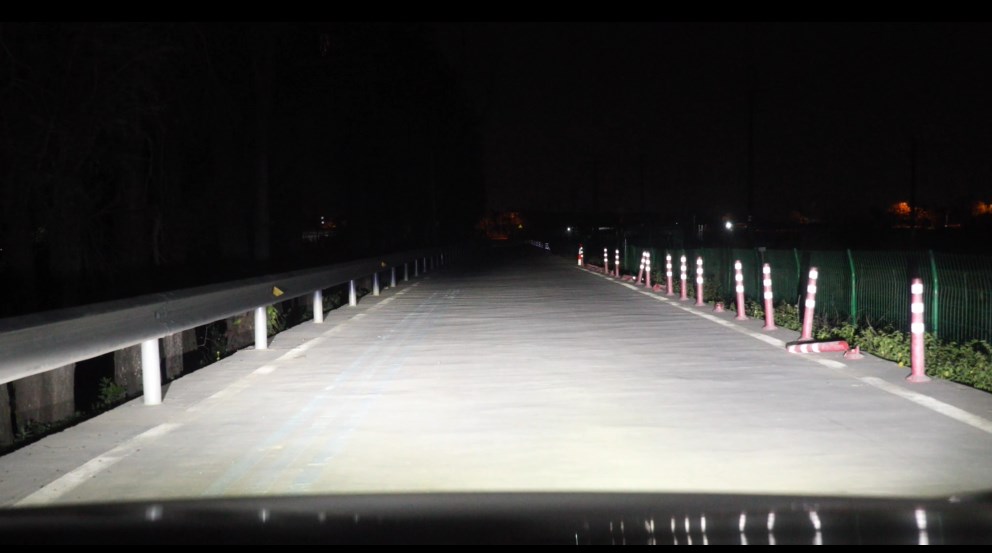
एनएल का प्रकाश प्रदर्शन
अक्सर पूछे जाने वाले प्रश्न
कम हेडलाइट्स कितनी दूर तक चमकनी चाहिए?
निम्न बीम प्रकाश दूरी लगभग 30-40 मीटरप्रयोगों के अनुसार, रात में 55 किमी/घंटा की गति से ड्राइव करते समय, पहचान होते ही तुरंत ब्रेक लगाने पर रुकने की दूरी ठीक 30 मीटर होती है।
क्या लो बीम और हाई बीम एक ही बल्ब हैं?
यह आपके वाहन पर निर्भर करता है। कुछ कारें हाई बीम और लो बीम दोनों के लिए एक ही बल्ब का उपयोग करती हैं, जबकि अन्य प्रत्येक कार्य के लिए दो अलग-अलग बल्बों का उपयोग करती हैं।
क्या मैं केवल एक बीम बदल सकता हूँ और दूसरे को नहीं?
तकनीकी रूप से हाँ, लेकिन इसकी अनुशंसा नहीं की जाती। संतुलित चमक और बीम पैटर्न बनाए रखने के लिए हमेशा बल्बों को जोड़े में बदलें।
क्या एलईडी हाई बीम हैलोजन की तुलना में अधिक चकाचौंध पैदा करती है?
यदि सही तरीके से स्थापित और ठीक से लक्षित किया जाए, तो ये अत्यधिक चमक नहीं पैदा करते। लेकिन यदि ये गलत तरीके से संरेखित हों, तो ये अन्य चालकों को अंधा कर सकते हैं।
मुझे हाई बीम बनाम लो बीम का उपयोग कब करना चाहिए?
यातायात में, रोशन सड़कों पर, कोहरे/बारिश में, और अन्य कारों के पास आते समय लो बीम का उपयोग करें।
अंधेरी राजमार्गों या ग्रामीण सड़कों पर जहाँ सामने से कोई वाहन नहीं आ रहा हो, हाई बीम का उपयोग करें। जब कोई दूसरी कार पास आए तो वापस लो बीम पर स्विच करें।
निष्कर्ष
निष्कर्षतः, डिप्ड बीम्स और हाई बीम्स के बीच के अंतर को समझना सुरक्षित और प्रभावी रात्रिकालीन ड्राइविंग के लिए अत्यंत महत्वपूर्ण है। डिप्ड बीम्स अच्छी तरह से रोशन क्षेत्रों के लिए केंद्रित प्रकाश प्रदान करते हैं और दूसरों के लिए चमक को रोकते हैं, जबकि हाई बीम्स अंधेरी, बिना रोशनी वाली सड़कों के लिए लंबी दूरी की दृश्यता प्रदान करते हैं।
प्रत्येक सेटिंग का कब और कैसे उपयोग करना है, यह जानना न केवल आपकी सुरक्षा बल्कि साथी चालकों की सुरक्षा भी सुनिश्चित करता है। सूचित रहें, जिम्मेदारी से ड्राइव करें, और सड़क सुरक्षा को प्राथमिकता दें।
NAOEVO एक अग्रणी पेशेवर निर्माता है जो ऑटोमोटिव एलईडी लाइट्स के अनुसंधान एवं विकास, उत्पादन और बिक्री में विशेषज्ञता रखता है, तथा ऑटोमोटिव लाइटिंग क्षेत्र में व्यापक समाधान प्रदान करता है।
व्हाट्सएप
नमस्ते, NAOEVO में आपका स्वागत है।
रियल-टाइम मैनुअल ग्राहक सेवा समय सीमा है सोम.–शुक्र. 09:00~18:00 (UTC+8).
कृपया अपना प्रश्न यहाँ छोड़ें और इसे अगले कार्यदिवस पर शीघ्रता से संभाल लिया जाएगा।








 व्हाट्सएप
 हिन्दी
  English
  Español
  العربية
  Українська