Low Beam VS High Beam: Everything You Need To Know
Published on
September 2, 2026
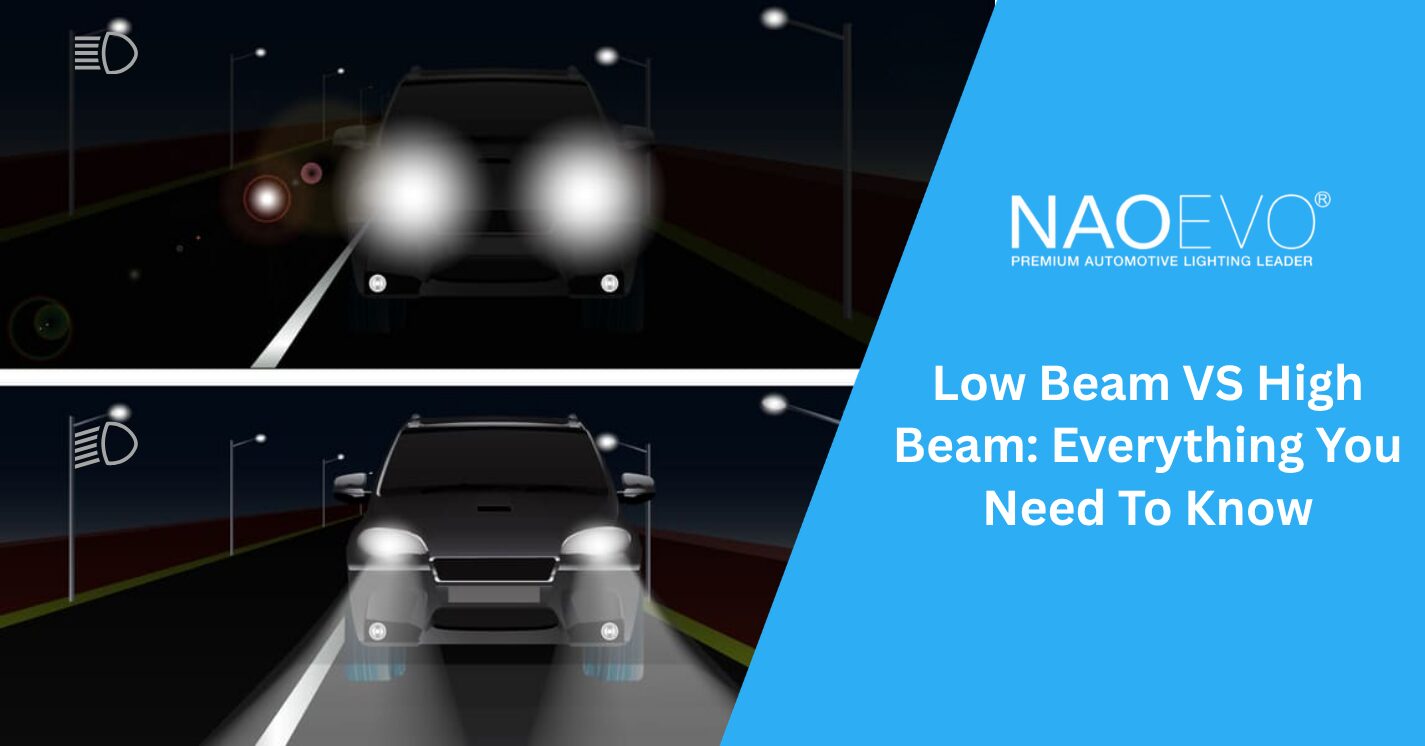
Many drivers know the basic difference between low beam and high beam, yet most of them do not use these lights properly in everyday driving. At the same time, when some car owners upgrade to LED headlights, they are often confused as to why their low beams still cause glare to oncoming traffic.
In this article, we will not only explain the differences between low beams and high beams and when to use each, but also dive deep into how to properly choose and install LED headlights to avoid blinding other drivers.
Low Beam vs High Beam: Quick Comparison
Low Beam
High Beam
Purpose
Everyday/night driving
Maximum visibility
Beam Pattern
Narrow, angled downward
forward-reaching beam
Light distance
Shorter
Longer
Cutoff line
Defined
Usually less restrictive
Usage
Traffic, rain, city
Dark roads, highways
Glare risk
Low
High
Low Beam Pattern Explained
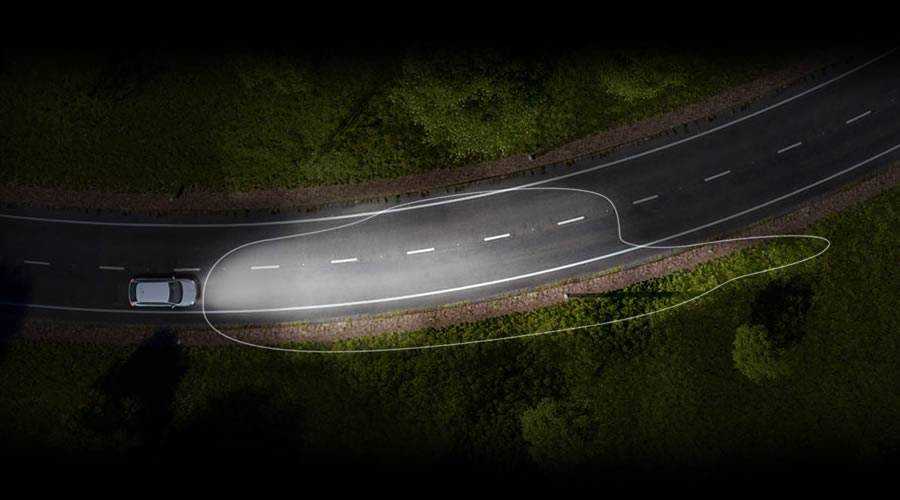
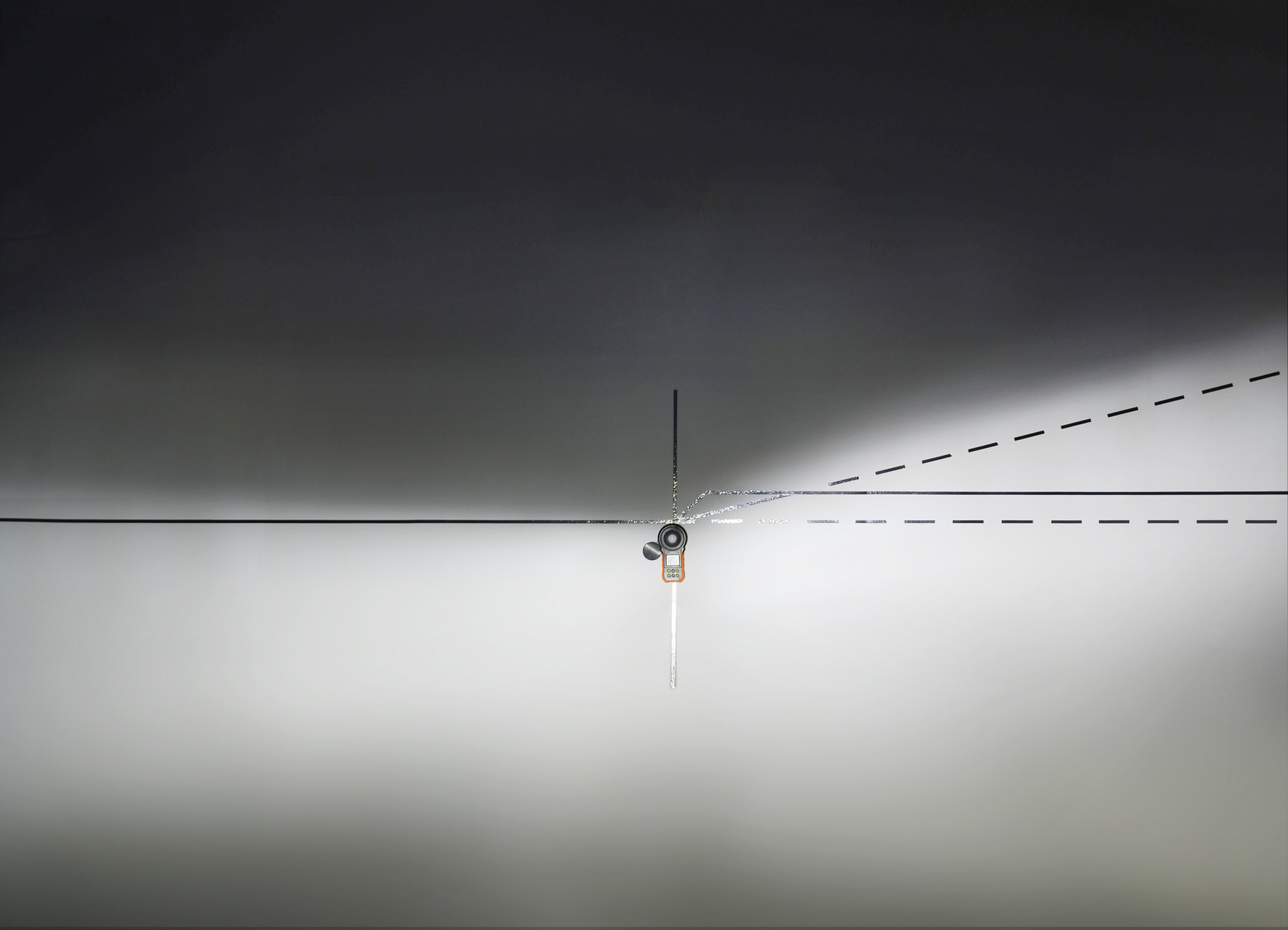
A low beam headlight is designed to provide clear road visibility while minimizing glare for other drivers. Unlike high beams that project light farther and wider, low beams use a controlled light distribution with a specific cutoff line to illuminate the road ahead without shining directly into the eyes of oncoming traffic.
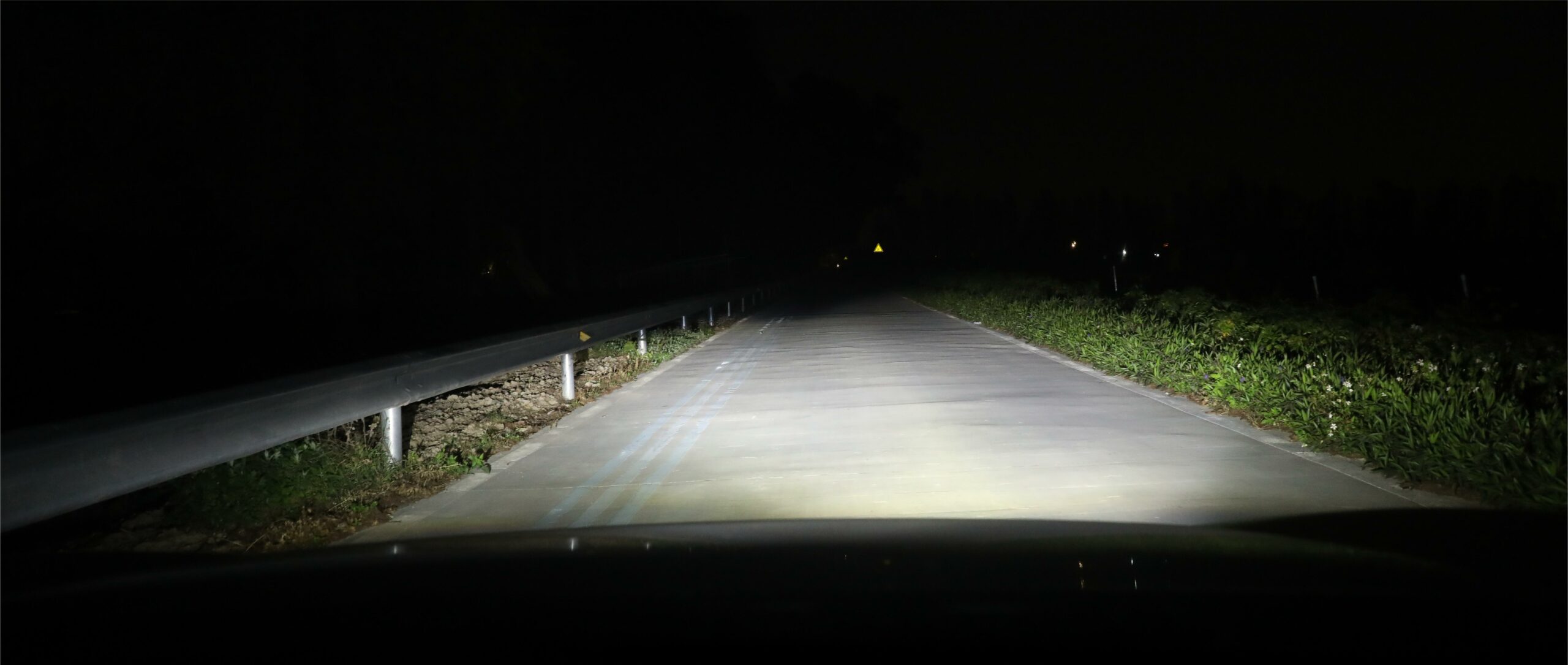
The most important part of a low beam pattern is the cutoff line. This sharp boundary separates the illuminated area from the dark area above it. A properly designed headlight places most of the light below the cutoff line, helping drivers see road signs, lane markings, and obstacles while reducing unnecessary upward light.
How To Turn On Your Low Beam?
There are two main ways to turn on your low beams, depending on your vehicle’s design: stalk-style and dial-style.
Stalk-style: On the light control stalk, you’ll see a dedicated “low beam” position. Simply rotate the stalk switch to this position, and your low beams will turn on immediately.
Dial-style:Turn the rotary dial clockwise until the indicator aligns with the “low beam” symbol, and your headlights will illuminate instantly.
How Does Low Beam Work:
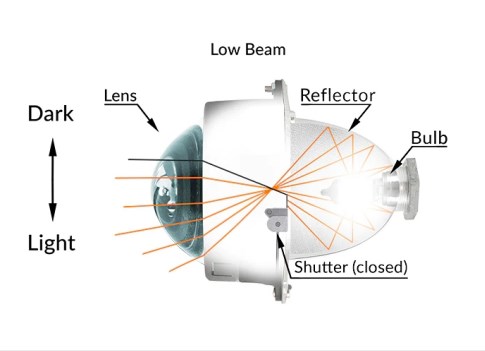
Dipped beam headlights utilize a combination of reflectors and lenses within the headlight assembly. The reflector gathers and directs the light emitted by the bulb, while the lens shapes and focuses this light into a specific beam pattern. The resulting beam is angled slightly downward to illuminate the road ahead without causing glare for oncoming drivers.
When Should I Use Low Beam?
Low beam headlights are designed for everyday driving conditions where you need enough road visibility without creating unnecessary glare for other drivers.
Here are the most common situations where you should use low beam headlights:
When driving between sunset and sunrise
When daylight is too low to see a dark-clothed person at 100m
High beam headlights are designed to maximize forward visibility by projecting light farther and wider than low beams.
Unlike low beams, which focus on controlled road illumination with a defined cutoff line, high beams provide a more open light distribution to help drivers identify distant objects, road hazards, and changes in road conditions.
The main purpose of a high beam is to increase seeing distance when there is no nearby traffic.
Ho'w To Turn on Your High Beam
Push/Pull Turn Signal Lever:
The most common way to activate your high beams is through the turn signal lever on the left side of your steering column. Simply push the lever away from you to lock the high beams on, and pull it back toward you to return to low beams.
Dashboard Switch or Button:
Some vehicles use a dedicated button on the dashboard instead of a steering column lever. Simply press it once to turn the high beams on, and press it again to turn them off. This setup is straightforward but less common in modern cars.
How Does High Beam Work:
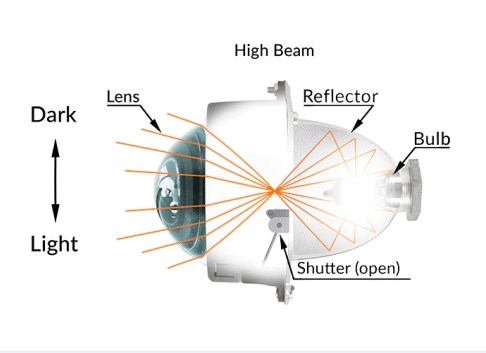
High beam headlights work by using a specialized, brighter bulb and a reflector/lens system. When activated, a strong electrical current flows through the bulb, causing it to emit an intense, forward-reaching beam of light.
The reflector and lens help shape and focus this light into a broad and powerful beam pattern, significantly improving long-range visibility for the driver, especially in dark or poorly lit conditions.
When Should I Use High Beam?
High beam headlights are designed for situations where you need to see farther ahead, especially on dark roads with little or no street lighting.
However, high beams should not be used simply because the road is dark. The key is to use them when they improve your visibility without creating glare for other drivers. NHTSA notes that the high-beam pattern produces high light levels in areas that can create unacceptable glare for oncoming drivers.
Here are the situations where you should turn on your high beams:
On Dark, Unlit Roads
When There Are No Oncoming Vehicles
When You Are Not Following Another Vehicle Closely
On Long, Straight Roads With Limited Visibility
When Should You NOT Use High Beam?
Avoid high beams when they could dazzle other road users, including:
Oncoming vehicles
Vehicles you are following
Busy or well-lit roads
Foggy conditions
Fog is especially important. High beams can reflect off water droplets in the air and create additional glare, making it harder to see. The U.S. National Weather Service specifically recommends using low beams rather than high beams in fog.
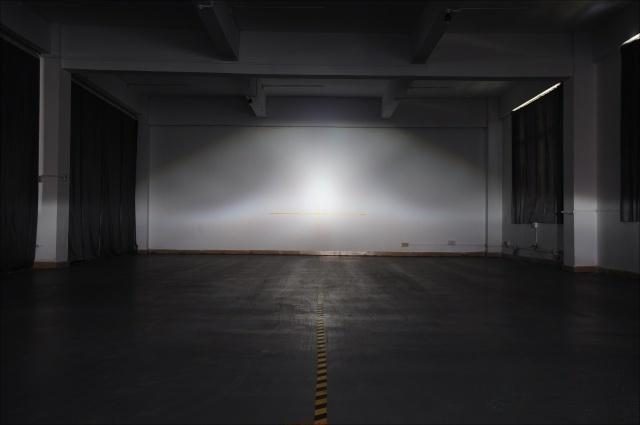
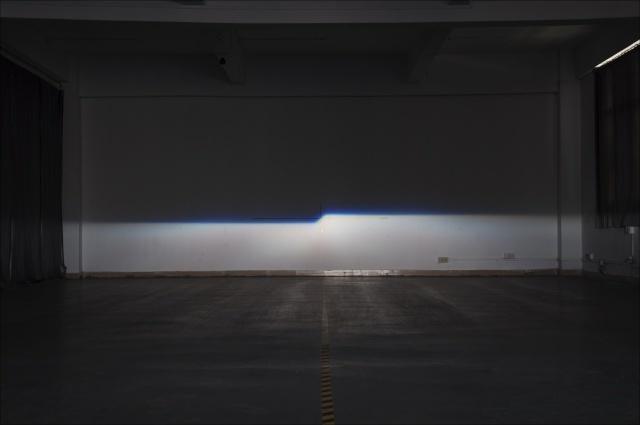
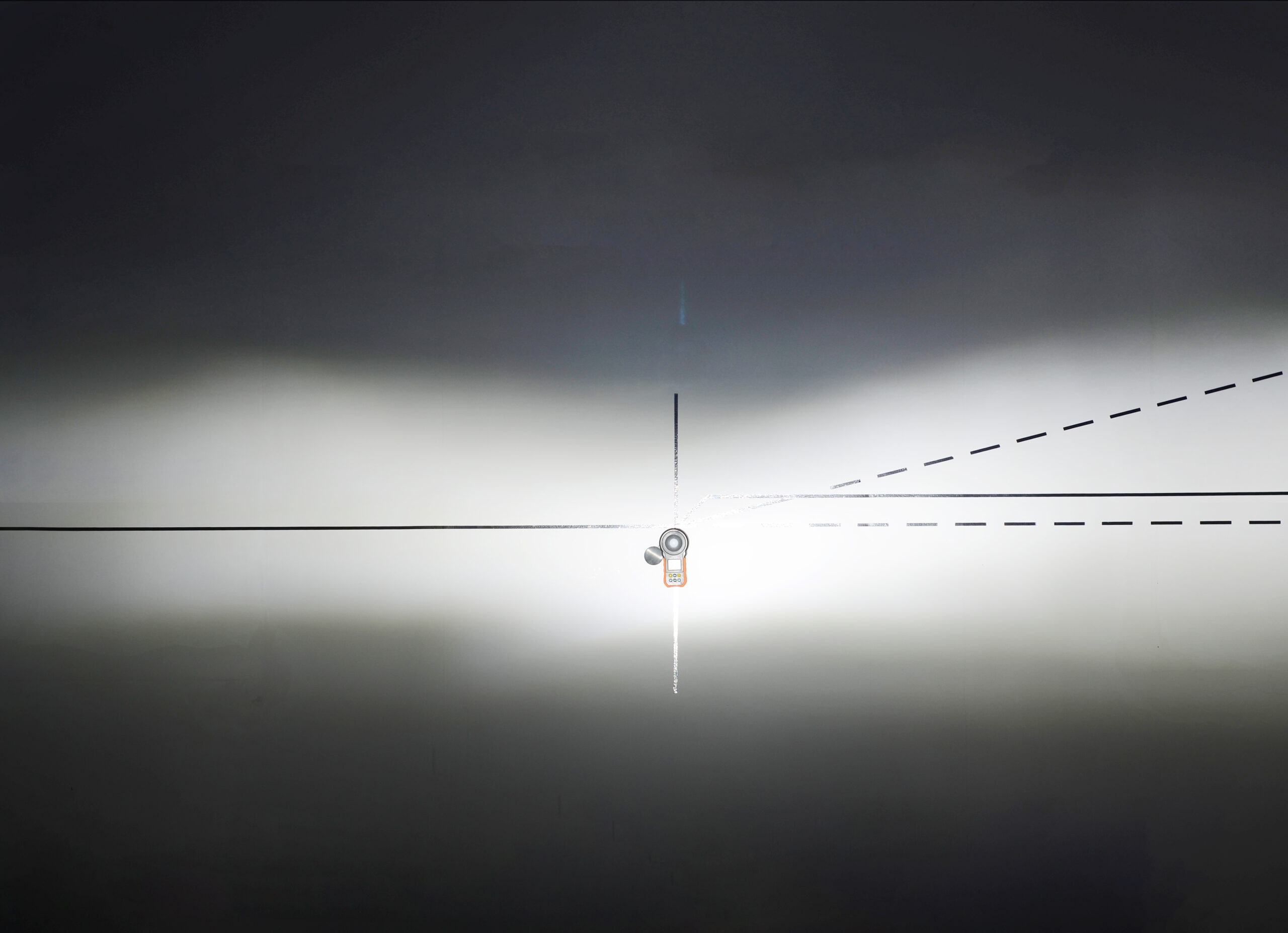
Dipped Beam VS High Beam Emitted Through Projector
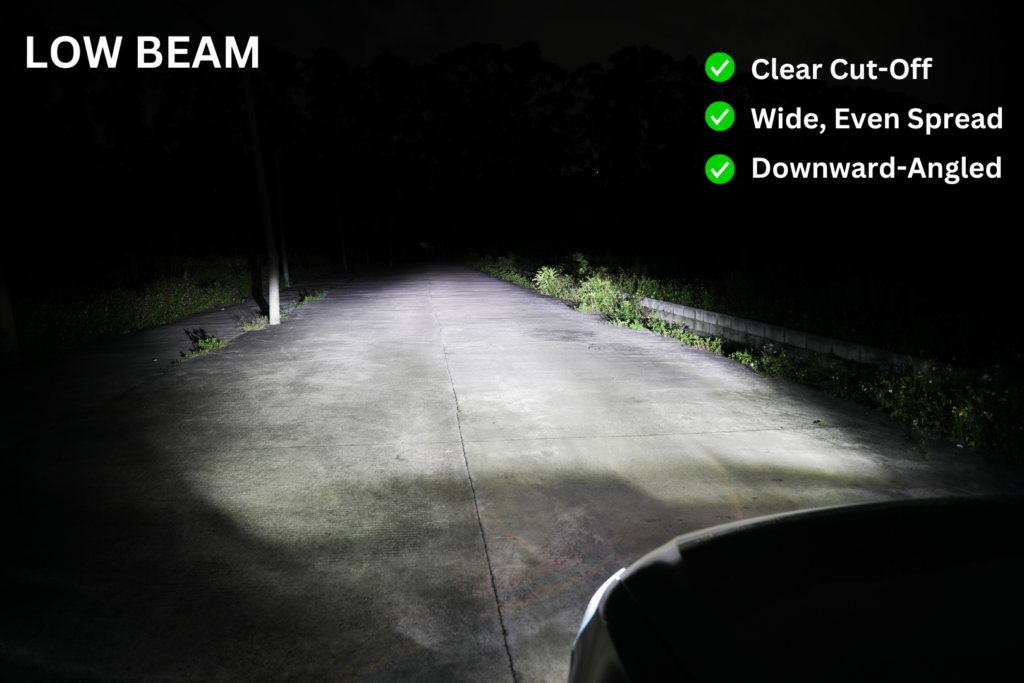
The low beam from the projector headlight typically features a sharp horizontal cutoff line with a slightly greater emphasis on the right side of the road. This design is intended to provide focused illumination ahead while reducing glare for oncoming drivers.
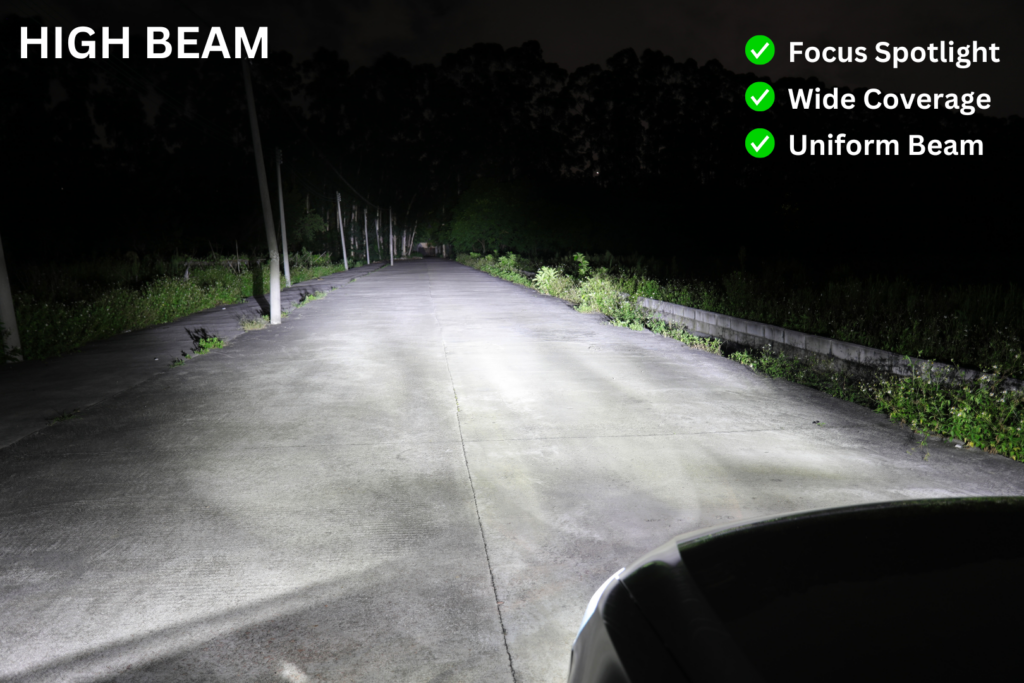
The high beam includes a central spotlight, enhancing a driver’s visibility over longer distances.
Dipped Beam VS High Emitted Through Reflector
If you have reflector-type headlight in your car, you may see that the graph depicts a reflector-type beam pattern with a symmetrical left-side light component positioned just below the cutoff line, preventing glare for oncoming drivers.
The high beam will provide a broader illumination, expanding the drivers’ field of vision.
What Makes a Good Low Beam Pattern?
A great low beam gives you confidence at night. It should cast a wide, even beam that illuminates the road ahead without blinding oncoming traffic. The cut-off line is key: it keeps light directed at the road, not into other drivers’ eyes.
Factory-installed low beams are generally well calibrated to meet safety standards. If you upgrade to LEDs and get glare, it’s likely due to improper installation or a mismatch in the light-emitting position between the LED and the original housing.
If you’re considering an LED upgrade, understanding beam patterns is crucial before making a purchase.
What Makes a Good High Beam Pattern?
A good high beam pattern is all about distance and focus. Unlike low beams, which are designed to be wide and flat, high beams should project a concentrated beam far down the road to maximize your forward visibility.
If your high beams light up the road signs clearly but don’t blind oncoming traffic (when used appropriately), you’ve got a good pattern.
Best LED Bulb For Dipped Beam Headlight
Safe nighttime driving relies on good low beam headlights. If you’re thinking about switching from a dim halogen bulb to a new LED one, make sure to pick a high-quality LED bulb with the right beam pattern.
Here is our most recommended LED headlight bulb which will have a high performance on dipped beam.
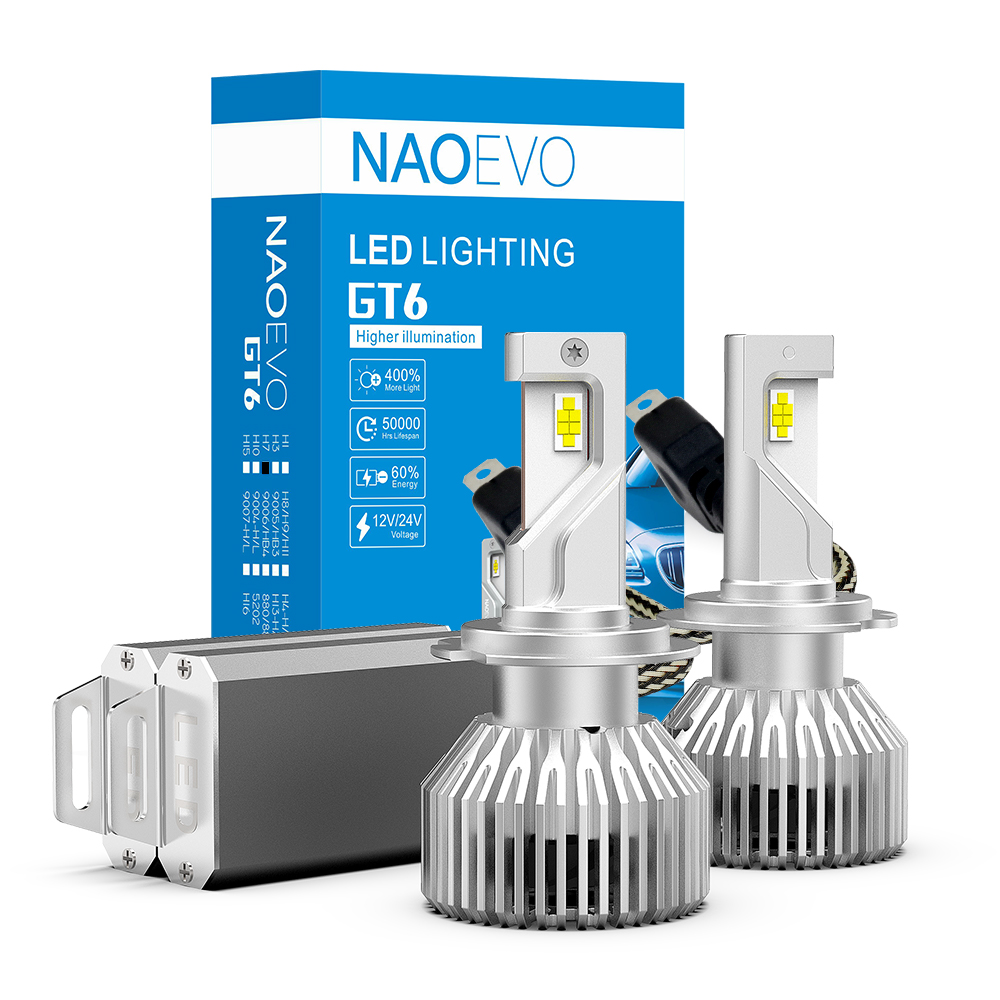
If you are looking for super bright LED headlight bulb to upgrade your low beam. NAOEVO GT6 LED headlight bulbs should be your best choice.
Equipped with high-intensity flip chip, the GT6 LED bulbs are able to provide an ultra-high brightness of 110W 13200LM/set, which is about 4 – 5 times brighter than halogen.
Furthermore, GT6 LED bulbs closely replicate the halogen filament’s lighting position, resulting in a flawless light beam with a distinct cutoff line, ensuring no glare for others.
The Lighting Performance of GT6
Best LED Car Bulb For High Beam Headlight
High beams provide intense, long-range illumination for better visibility on dark roads, helping drivers see farther ahead and detect potential hazards. To select an LED headlight bulb to replace a halogen bulb, consider factors like brightness, lifespan, and heat dissipation.
Here’s our top pick of LED car lights, thoughtfully designed to elevate your high beam performance.
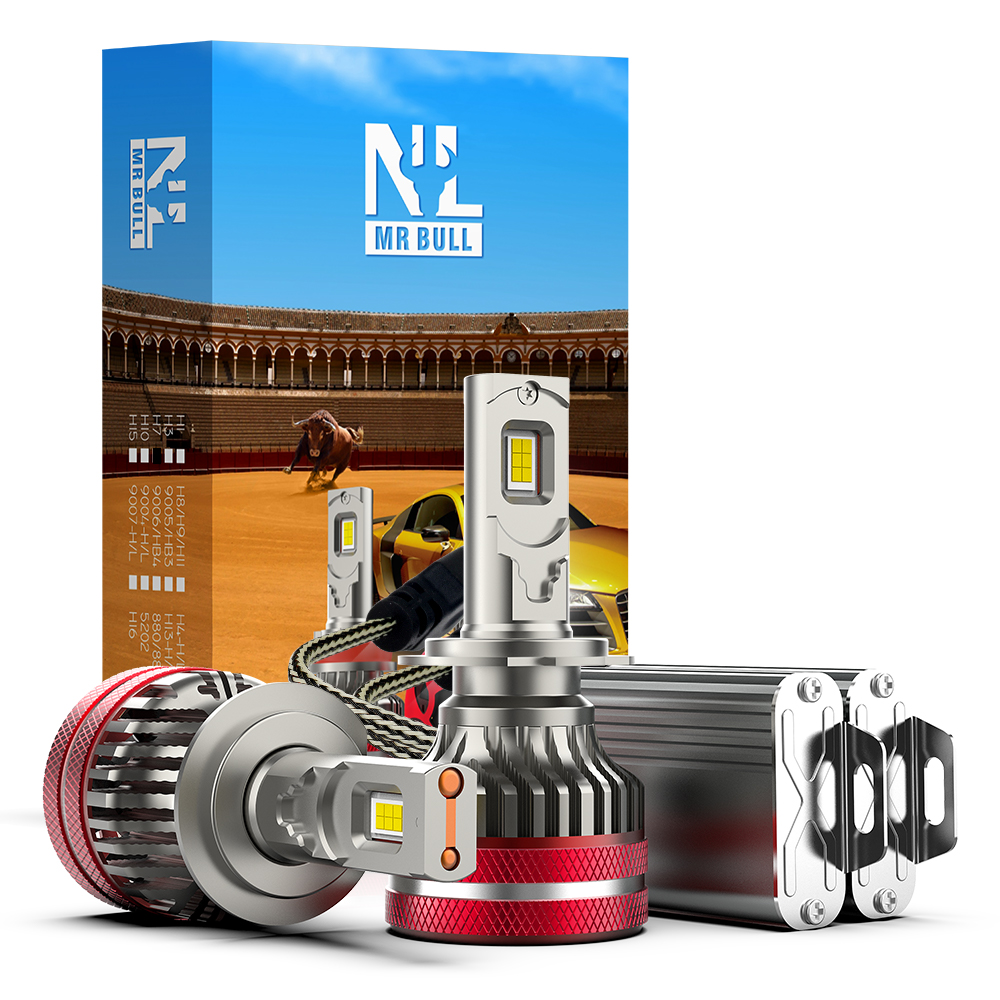
NAOEVO NL LED headlight bulbs are designed to revolutionize your full beam experience.
These bulbs are equipped with six large flip chips, an engineering feat that maximizes energy-to-light conversion, resulting in an impressive output of 180W and 21,600LM per set.
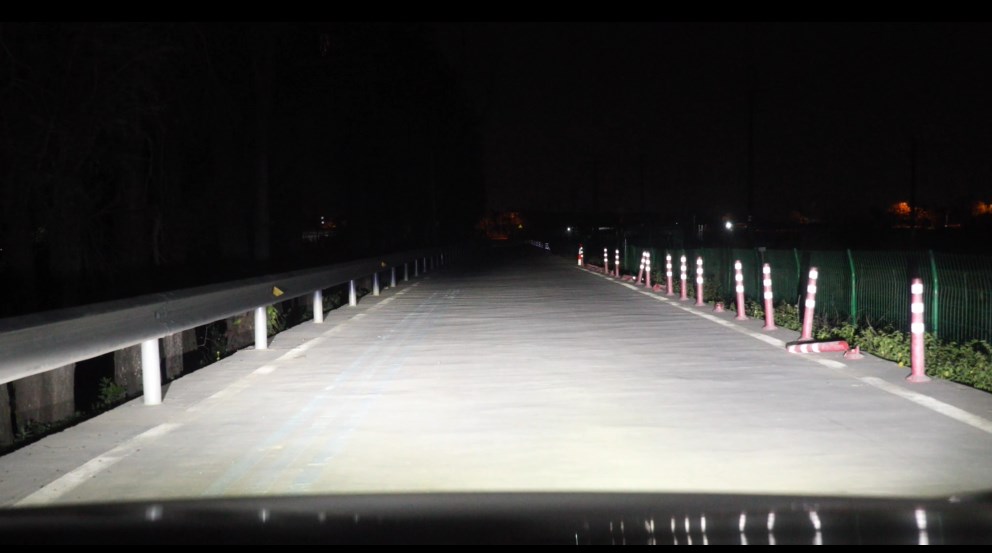
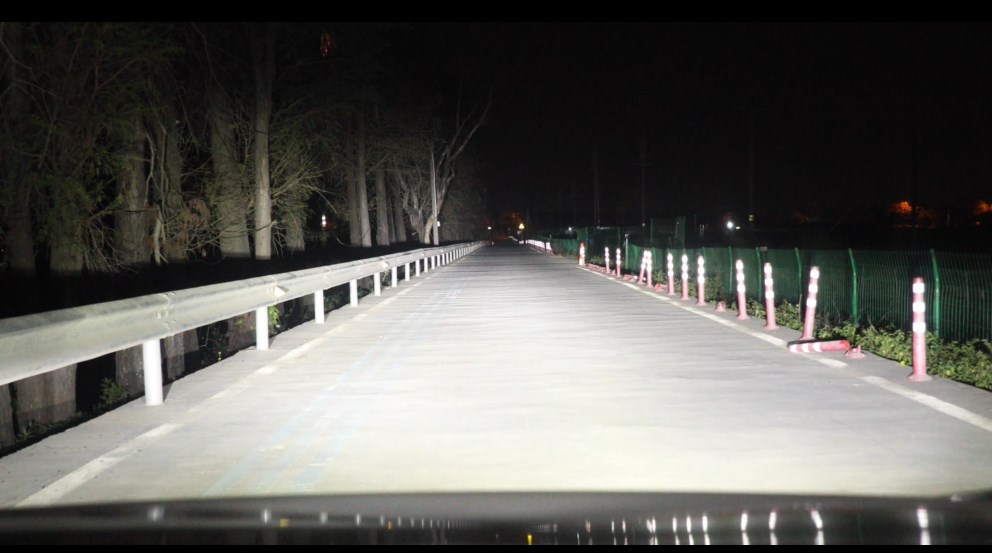
When you activate the high beam, you’ll notice a precision-focused spotlight in the center, accompanied by wide, uniform illumination on both sides, a testament to NAOEVO’s cutting-edge optics technology that eliminates glare.
With a dual copper heat pipe system effectively dissipating 30W of heat each, these bulbs boast a remarkable lifespan of over 50,000 hours.
Not only do they perform exceptionally, but they also make a visual statement with their stylish bull design and eye-catching Bullring packaging, all offered at the most competitive wholesale price.
The Lighting Performance of NL
FAQs
How Far Should low Headlights Shine?
The low beam illumination distance is approximately 30-40 meters. According to experiments, when driving at a speed of 55 km/h at night, braking immediately upon detection results in a stopping distance of exactly 30 meters.
Is low beam and high beam the same bulb?
It depends on your vehicle. Some cars use one bulb for both high beam and low beam, while others use two separate bulbs, one for each function.
Can I replace only one beam and not the other?
Technically yes, but it’s not recommended. Always replace bulbs in pairs to maintain balanced brightness and beam pattern.
Does LED high beam produce more glare than halogen?
If installed correctly and aimed properly, they don’t cause excessive glare. But if misaligned, they can blind other drivers.
When should I use high beam vs. low beam?
Use low beam in traffic, on lit streets, in fog/rain, and when approaching other cars.
Use high beam on dark highways or rural roads with no oncoming traffic. Switch back to low beam when another car approaches.
Conclusion
In conclusion, understanding the differences between dipped beams and high beams is crucial for safe and effective nighttime driving. Dipped beams offer focused illumination for well-lit areas and prevent glare for others, while high beams provide long-range visibility for dark, unlit roads.
Knowing when and how to use each setting ensures not only your safety but also that of fellow drivers. Stay informed, drive responsibly, and prioritize road safety.
NAOEVO is a leading professional manufacturer specializing in R&D, production, and sales of automotive LED lights, offering comprehensive solutions in the automotive lighting field.
WhatsApp
Hello, Welcome to NAOEVO.
The real-time manual customer service time range is Mon.–Fri. 09:00~18:00 (UTC+8).
Kindly leave your question here and it will be handled promptly on the next working day.








 WhatsApp
 English
  Español
  العربية
  Українська
  हिन्दी