
In the automotive aftermarket industry, more and more drivers are choosing to upgrade their vehicles with LED headlight bulbs. Among them, H7 is one of the most common bulb types.
However, when purchasing H7 LED headlight bulbs, many people wonder: Is buying an H7 LED bulb enough, or do you also need an H7 conversion kit or retainer adapter? The answer depends on your vehicle’s headlight housing design and installation structure.
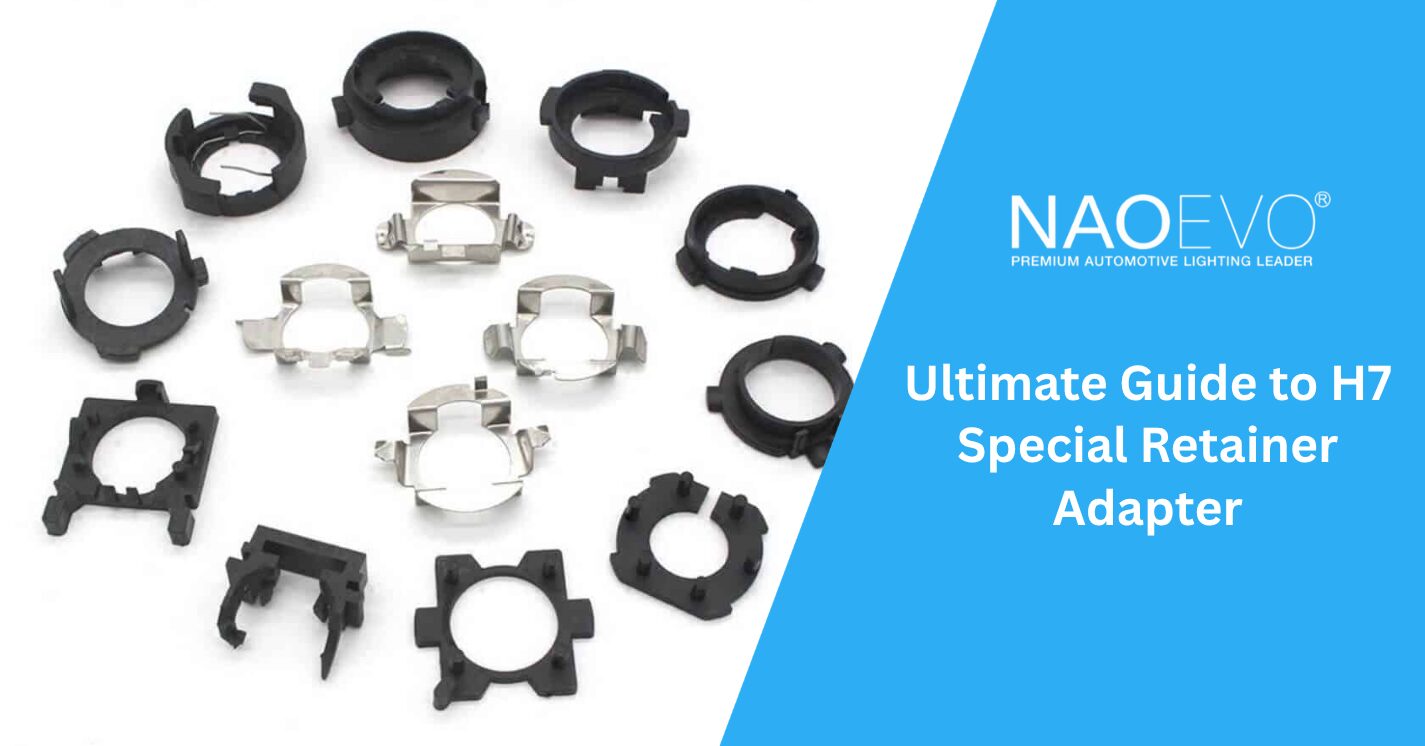
In this blog, we’ll explain why some H7 LED headlight bulbs require special retainer adapters, the most common H7 adapter types, and how to choose the correct H7 conversion kit for your vehicle.
What Is an H7 Special Retainer Adapter?
“Why does my LED bulb still fail to fit even with the correct bulb size?” This is a question frequently asked by many drivers.
A small number of vehicles feature uniquely designed headlight housings. Even when the bulb model matches, the original lamp base does not align with the standard LED retainer clip.
In such cases a special customized adapter clip is required to secure the bulb properly.
Difference Between Standard H7 Bulb Clips and Special Retainers
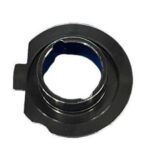
Item | Standard H7 Retainer | Special H7 Retainer |
|---|---|---|
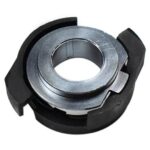
![]() | ![]() | |
Application Range | Fits most regular vehicles with strong versatility | Vehicle-specific, only for limited models with unique lamp bases |
Structure Design | Uniform industry-standard dimensions | Custom molded to match original factory lamp housing |
Installation | Twist-and-lock, quick and easy to fit | Precision fitted; some require pre-installed base |
Best For | Ordinary vehicles and budget-focused buyers | European & Korean makes and models |
Why Some H7 Headlight Bulbs Require Special Adapters
Inconsistent Factory Headlight Structures
Different mounting designs:
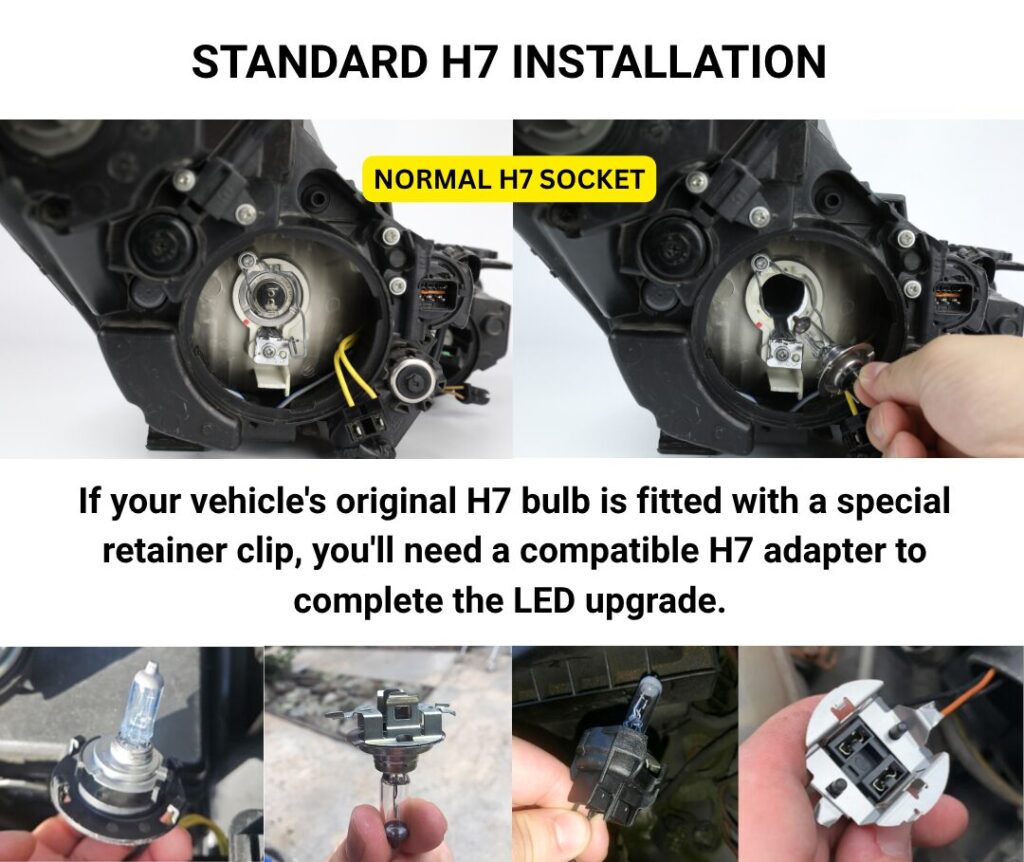
Most H7 halogen bulbs can be installed directly using standard metal clips that snap into the socket.
However, certain models, including Volkswagen, BMW, and Hyundai, use a plastic base combined with a metal retainer ring. The bulb must first be inserted into the dedicated plastic holder, and then the whole assembly twists into the housing. This locking logic is completely different from standard H7.
Additionally, some vehicles feature a three-tab twist-in socket that requires a matching three-prong retainer ring for proper tightening and securing.
Mismatched bayonet sizes:
The lugs on standard adapters differ in size, angle and spacing from factory sockets, leading to poor fitting or loose installation.
Limited internal space:
Certain headlight housings have narrow inner space. Standard adapters paired with LED bulbs may exceed size limits, making installation or beam adjustment impossible. German vehicles are equipped with exclusive locking mechanisms that can only be secured by corresponding adapters.
Adaptation Requirements for LED / Xenon Retrofit
LED and xenon bulbs differ from halogen lights in structure, heat dissipation and base size, so stock adapters won’t fit. Custom adapters align the light center to avoid glare and pass inspections. Some support 360° beam adjustment for better lighting.
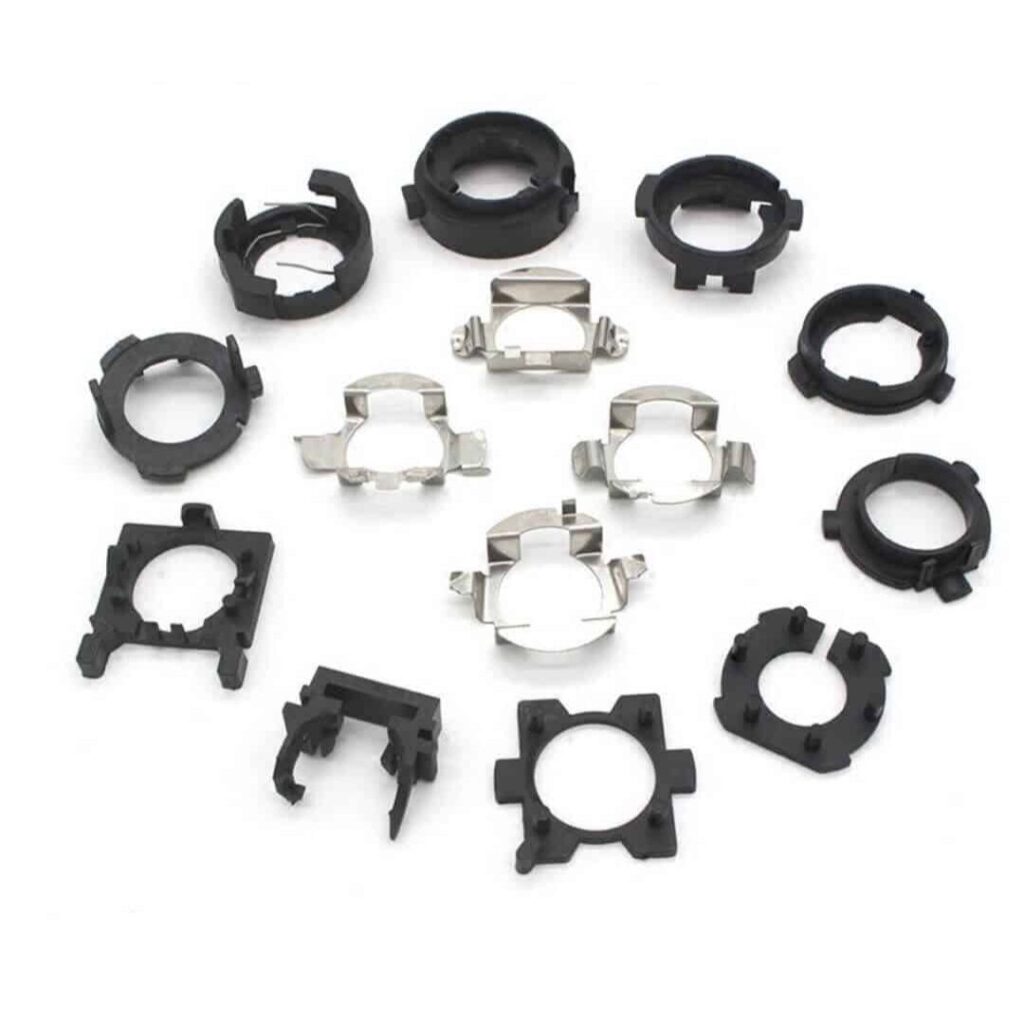
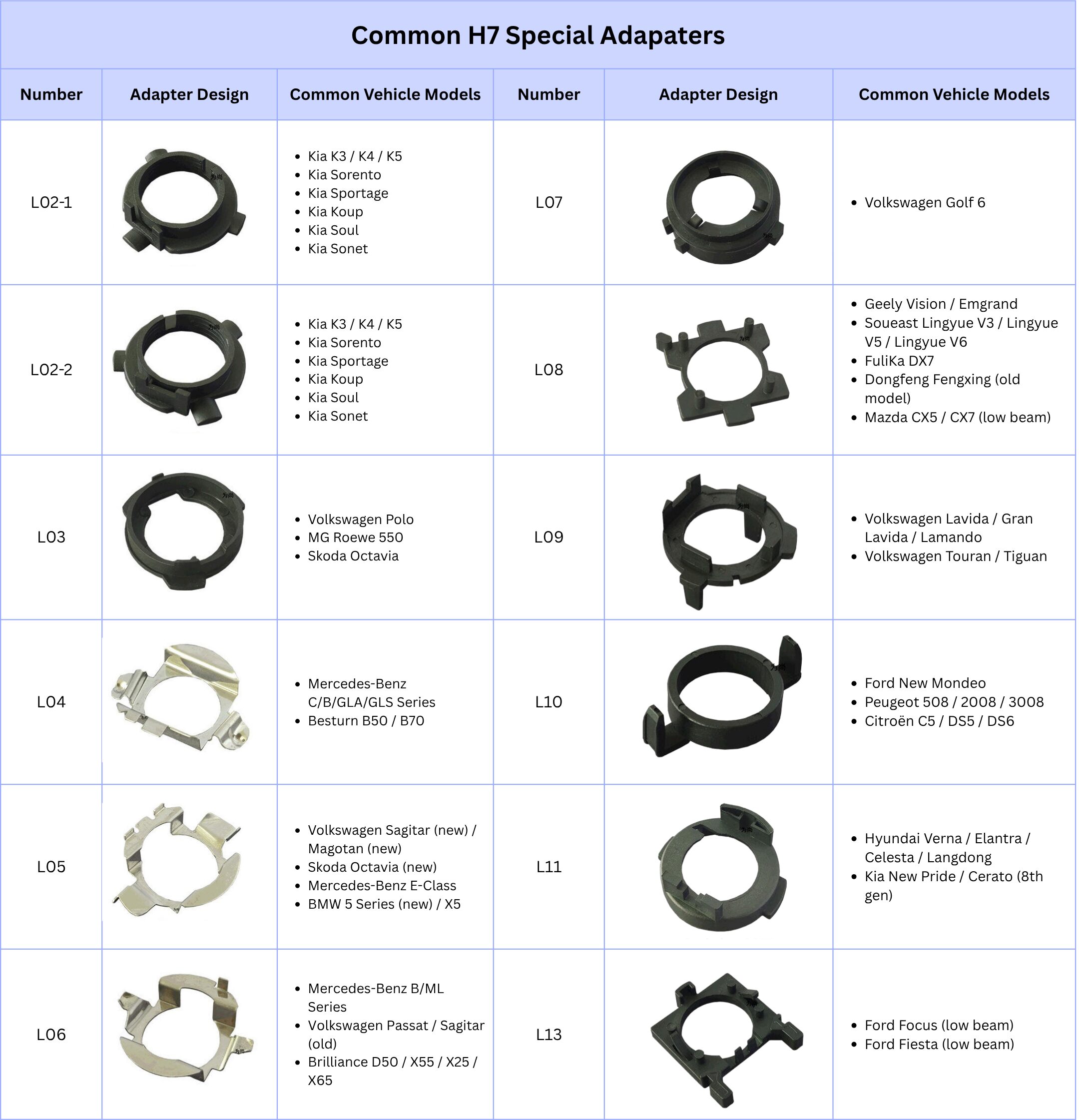
The Most Common H7 Special Retainer Adapter Types
3-Step Check: How to See if You Need a Special H7 Adapter
Step 1: Remove Your Existing Bulb
Turn off the car, open the hood, and locate the headlight bulb cover. Unplug the wiring and remove the H7 bulb.
Step 2: Examine the Bulb’s Base
Look closely at the black plastic base of the original H7 bulb. Check if there is any additional plastic ring, clip, or frame attached to the base that is not permanently fixed to the bulb.
Step 3: Inspect the Headlight Socket
Shine a flashlight into the empty bulb socket inside the headlight housing.
👉 No Special Adapter Needed:
The bulb is just a straight H7 plug.
👉 Special Adapter Needed:
There is a separate plastic adapter piece inside the socket, or the mounting mechanism looks like a unique shape (e.g., for BMW, Mercedes, VW, Ford, etc.)