 واتساب

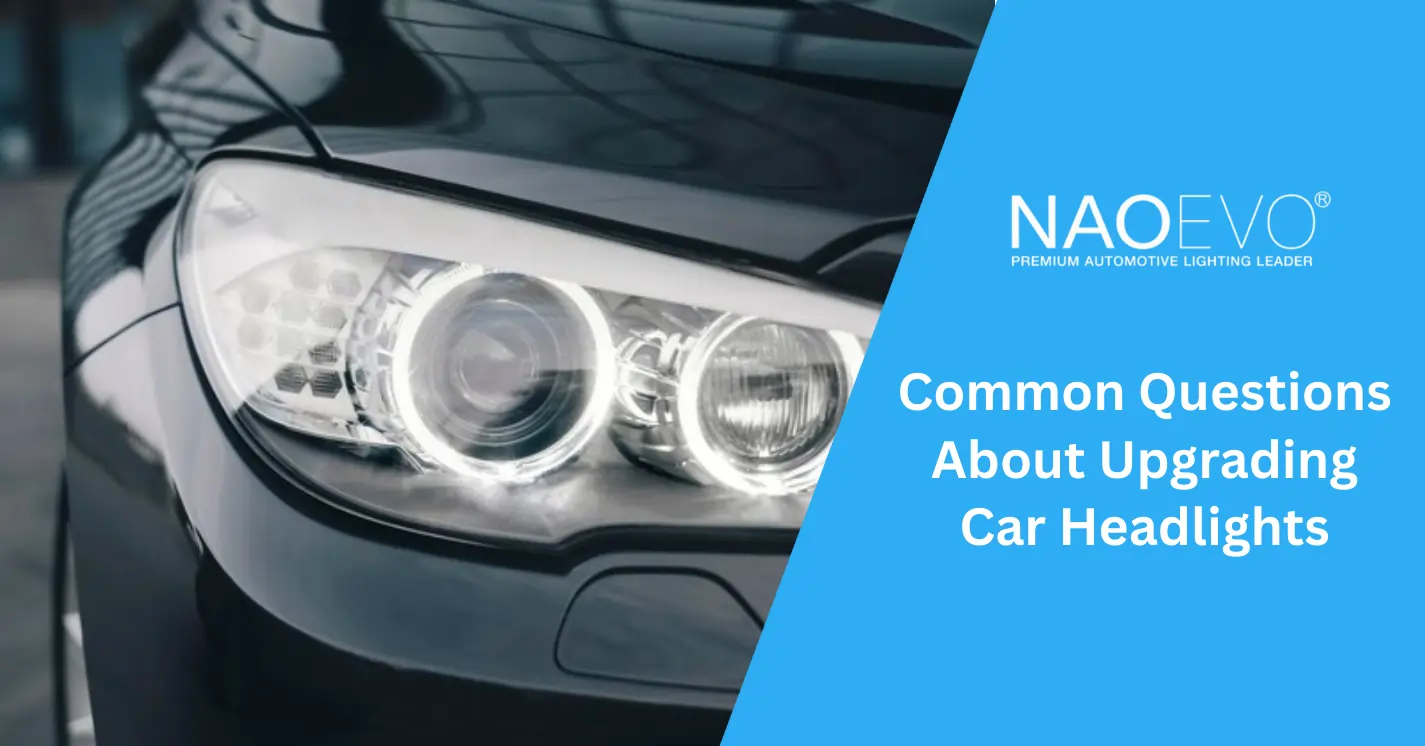
بصفتنا شركة تصنيع مصابيح LED أمامية تتمتع بخبرة تزيد عن 20 عامًا في هذا المجال، نسمع أسئلة من العملاء كل يوم تقريبًا عندما يفكرون في ترقية المصابيح الأمامية.
لا يكون العديد من السائقين والمشترين متأكدين من مستويات السطوع وأنواع اللمبات وتبديد الحرارة والتوافق وما إذا كانت مصابيح LED الأمامية آمنة لسياراتهم. هذه المخاوف مفهومة تمامًا، خاصة مع وجود العديد من المنتجات في السوق.
لقد لخصنا في هذه المدونة الأسئلة الأكثر شيوعاً التي نتلقاها وقدمنا إجابات واضحة ومباشرة.
1. الأسئلة المتعلقة بعدسات جهاز العرض
تشكّل عدسات المصابيح الأمامية العاكسة مصدر قلق كبير للعديد من مالكي السيارات، وتبقى من أكثر المواضيع التي نناقشها في محادثاتنا.
🔍تتضمن الأسئلة الشائعة ما يلي:
السؤال 1: سيارتي مزوّدة بعدسات عاكسة للضوء المنخفض/الضوء العالي. هل يمكنني استبدال لمبات الهالوجين بمصابيح LED مباشرة؟
السؤال 2: هل أحتاج إلى ترقية إعدادات المصابيح الأمامية بالكامل باستخدام عدسة عارض المصابيح الأمامية LED؟
السؤال 3: هل تتناسب لمبة LED فعليًا مع المبيت؟
السؤال 4: بعد التركيب، هل سيظل نمط الشعاع صحيحًا؟
💡 إليك الإجابة السريعة:
جواب 1: نعم. إذا كانت سيارتك مزوّدة بعدسات بروجيكتور، يمكن عادةً تركيب لمبات مصابيح LED الأمامية كبديل مباشر.
ج2: لا داعي لاستبدال مجموعة المصابيح الأمامية بالكامل، ما عليك سوى تبديل اللمبة.
ج3: نعم، طالما أن لمبة LED مصممة بحجم وقاعدة تركيب مماثلة للمبة الهالوجين الأصلية.
ج4: نعم، شريطة أن تكون لمبة LED ذات نمط شعاع صحيح ومثبتة في الاتجاه الصحيح.
إذا كنت تريد أن تفهم السبب وراء ذلك، تابع القراءة للحصول على شرح مفصل

كما في الصورة الموضحة أعلاه، يحتوي الشعاع المنخفض على عدسة عاكسة ويأتي الشعاع العالي مع وعاء عاكس. هذه هي التركيبة الأكثر شيوعاً في مجموعات المصابيح الأمامية.
لماذا لم يتم تجهيز الشعاع العالي بعدسة عاكسة؟
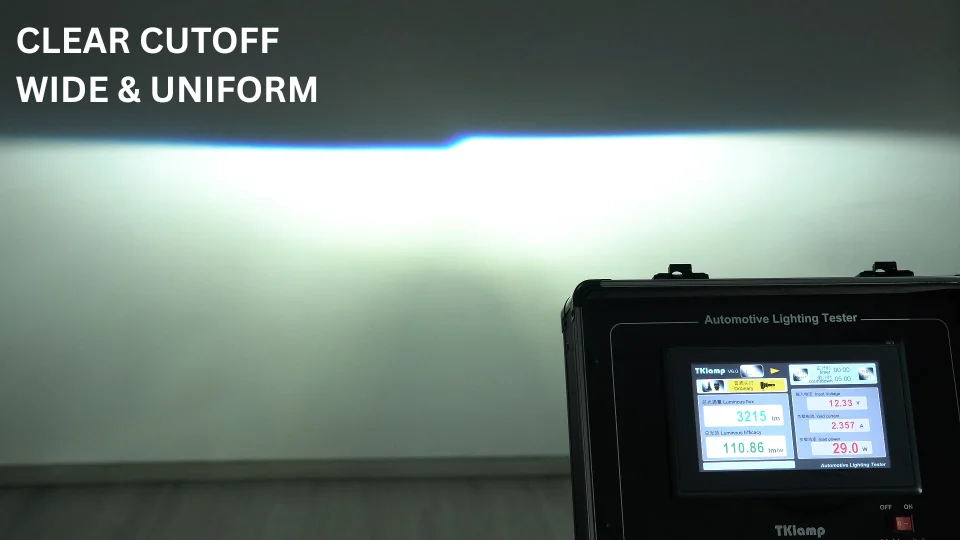
ويرجع ذلك إلى درع القطع داخل جهاز عرض الشعاع المنخفض الذي يزيل الضوء الشارد. ونتيجة لذلك، يكون لنمط الشعاع الناتج عن جهاز عرض الشعاع المنخفض خط قطع واضح جداً، مما يوجه الضوء على سطح الطريق ويمنع الوهج عن السائقين القادمين (كما هو موضح في الصورة أدناه).
من ناحية أخرى، تم تصميم الإضاءة العالية من أجل تركيز الضوء للإضاءة لمسافات طويلة. نظرًا لأنها لا تتطلب حجب جزء من الضوء، فإن عدسة جهاز العرض ليست ضرورية تمامًا لتطبيقات الإضاءة عالية الشعاع.

كما هو موضح في الصورة أعلاه، لا يوجد ضوء فوق خط قطع الشعاع المنخفض، حيث يحجب درع القطع كل الضوء العلوي.
قد تلاحظ أن العامل الرئيسي المسؤول عن إنشاء هذا الانقطاع الحاد في الشعاع المنخفض هو عدسة جهاز العرض نفسهاوليس المصباح. لذلك:
جواب: إذا كانت سيارتك مزوّدة في الأصل بعدسة بروجيكتور، فيمكن استبدال اللمبة مباشرة.

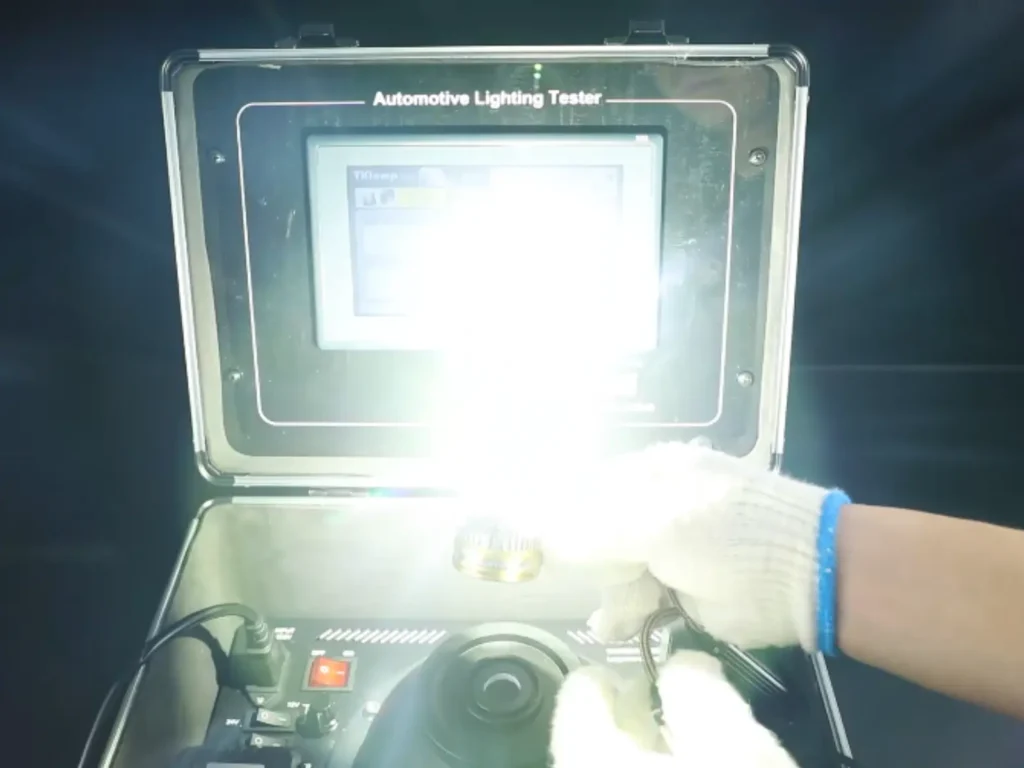
يمكن أن يضمن اختيار لمبة المصباح الأمامي LED من شركة مصنعة موثوق بها أداء إضاءة جيد. على سبيل المثال، تقوم شركة NAOEVO بتصنيع لمبات لمبات المصابيح الأمامية LED وضع إضاءة 1:1 تقريبًا مثل الهالوجين المصنّع من OEM. ويضمن ذلك سهولة التركيب ونمط شعاع الإضاءة الواضحة.
إذا كانت سيارتك مزوّدة بعدسات بروجيكتور، يمكنك استبدال لمبات الهالوجين الخافتة بمصابيح أمامية LED بكل ثقة.
📌هل ما زلت تتساءل عما إذا كانت لمبات LED تعمل بشكل جيد في مصابيح العرض الأمامية؟ انقر لقراءة مدوّنتنا: هل لمبات LED جيدة للمصابيح الأمامية لجهاز العرض؟
B. غير مزودة بعدسات عارض؟ اختر لمبة المصباح الأمامي LED بنمط شعاع ضوئي جيد.
إذا كانت سيارتك تستخدم مصابيح أمامية بنمط عاكس بدلاً من عدسات عاكسة بدلاً من عدسات عاكسة للضوء، فمن المهم اختيار لمبات مصابيح أمامية LED عالية الجودة مع نمط شعاع متحكم به جيدًا.
تعتمد العلب العاكسة على تركيز الضوء الدقيق لتوجيه الشعاع إلى الأمام. إذا تم تصميم موضع مصدر ضوء لمبة LED أو نمط الشعاع بشكل سيئ، فسيتشتت الضوء، مما يتسبب في حدوث توهج للسائقين القادمين ويقلل من رؤيتك الخاصة.
لهذا السبب، لا تعمل كل لمبات LED بشكل جيد في المصابيح الأمامية العاكسة، فنمط الشعاع المناسب أهم بكثير من اللومن أو القوة الكهربائية العالية. يساعد اختيار لمبة LED مصممة خصيصًا لمصابيح عاكسة في ضمان إضاءة أفضل للطريق وقيادة أكثر أمانًا وأقل وهج.
2. الأسئلة المتعلقة بالوعاء العاكس
🔍تتضمن الأسئلة الشائعة ما يلي:
السؤال 1: لا تحتوي سيارتي على عدسات عاكسة وتستخدم مبيت العاكس الأصلي. هل ستتسبب لمبات LED في تشتت الضوء؟
السؤال 2: إذا كان كل من الشعاع المنخفض والشعاع العالي يستخدمان علب عاكسة، فهل يمكنني استبدال المصابيح مباشرة بمصابيح LED؟
السؤال 3: إذا كان كل من الضوء المنخفض والعالي يستخدمان علب عاكس، فهل أحتاج إلى الترقية إلى مجموعة مصابيح أمامية كاملة مع عدسات عاكسة لكليهما؟
💡 إليك الإجابة السريعة:
جواب 1: نعم. إذا كانت سيارتك مزوّدة بعدسات بروجيكتور، يمكن عادةً تركيب لمبات مصابيح LED الأمامية كبديل مباشر.
ج2: لا داعي لاستبدال مجموعة المصابيح الأمامية بالكامل، ما عليك سوى تبديل اللمبة.
ج3: نعم، طالما أن لمبة LED مصممة بحجم وقاعدة تركيب مماثلة للمبة الهالوجين الأصلية.
ج4: نعم، شريطة أن تكون لمبة LED ذات نمط شعاع صحيح ومثبتة في الاتجاه الصحيح.
العديد من السيارات الموجودة على الطريق غير مجهزة بعدسات بروجيكتور، خاصة الطرازات في مجموعة فولكس واجن، مثل ساجيتار وبورا ولافيدا ولافيدا فاريانت ولاماندو.
بالإضافة إلى ذلك، تستخدم نيسان سيلفي كلاسيك أيضاً علب عاكسة للضوء المنخفض والعالي.

في الواقع، فإن الإجابة على هذا السؤال هي نفسها الواردة في القسم 1: إذا لم تكن السيارة مزودة بعدسات عارضة، فإن الشعاع المنخفض يتطلب لمبة LED مزوّدة بقاطع مدمج، في حين يجب أن تستخدم اللمبة العالية لمبة ذات تركيز بؤري قوي.
3. أسئلة متعلقة بأنواع لمبات المصابيح الأمامية
🔍تتضمن الأسئلة الشائعة ما يلي:
السؤال 1: أرغب في ترقية الضوء المنخفض في سيارتي إلى لمبة LED ولمبة الضوء العالي إلى لمبة HID. هل هذا جيد؟ لقد سمعت أن لمبة HID يمكن أن تكون صارخة جداً، وهي مثالية للتعامل مع السائقين الذين يستخدمون الإضاءة العالية دائماً!
السؤال 2: مصابيح LED مقابل مصابيح HID الأمامية، أيهما أكثر سطوعاً؟
س3: الهالوجين مقابل HID مقابل LED، أيهما يدوم لفترة أطول؟
السؤال 4: عند ترقية المصابيح الأمامية، ما نوع اللمبة التي يختارها معظم السائقين؟
💡 إليك الإجابة السريعة:
A1: استخدم الهالوجين أو مصابيح LED للإضاءة العالية بدلاً من ذلك. لا يوصى باستخدام مصابيح HID لأنها تنتج وهجاً قوياً وغير مناسبة للقيادة العادية.
ج2: مصابيح LED. على الرغم من أن مصابيح HID قد يكون لها ذروة إضاءة أعلى، فإن مصابيح LED توفر إضاءة أكثر قابلية للاستخدام في الأماكن المهمة
ج3: لمبات LED هي الأطول عمراً، تليها لمبات HID، ثم الهالوجين.
A4: مصابيح LED. لأنها توازن بين السطوع وطول العمر وسهولة التركيب.
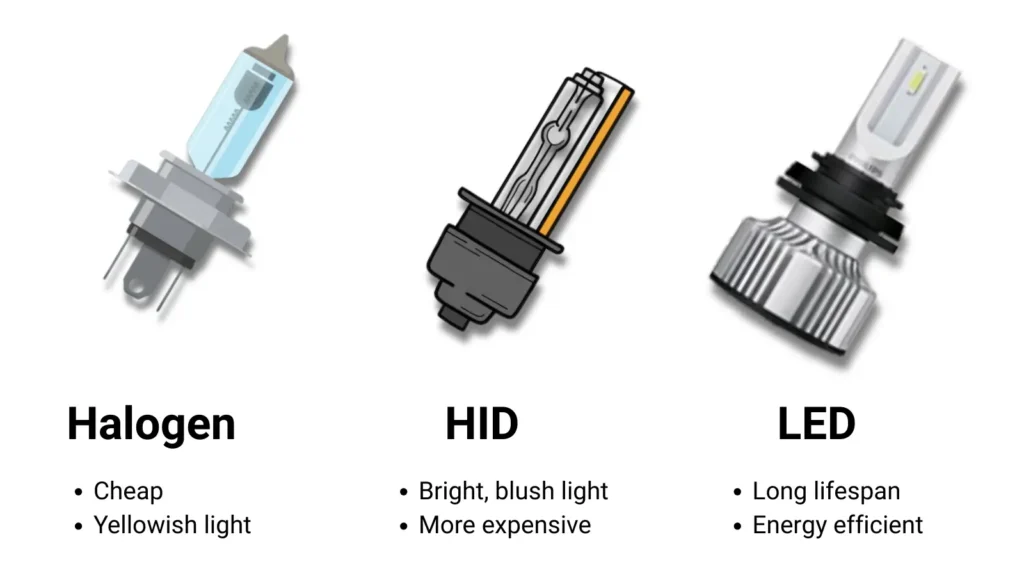
تتوفر حاليًا ثلاثة أنواع رئيسية من لمبات المصابيح الأمامية للسيارة في السوق: لمبات الهالوجين ولمبات HID ولمبات LED.
والآن، لنلقِ نظرة موجزة على هذه الأنواع الثلاثة من لمبات المصابيح الأمامية هذه، ونقارن بين مبادئ عملها وكفاءة إضاءتها وأدائها ومزاياها وعيوبها. للحصول على مناقشة أكثر تفصيلاً، يمكنك مراجعة مدوّنتنا السابقة:
📌 مصابيح الهالوجين الأمامية الهالوجين مقابل مصابيح LED الأمامية: أيهما أفضل؟
🟡 لمبات الهالوجين
تنتج لمبات الهالوجين الضوء عن طريق تسخين فتيل التنغستن حتى يتوهج. يتم تحويل الطاقة الكهربائية أولاً إلى حرارة، ثم إلى ضوء، مما يؤدي إلى كفاءة إضاءة منخفضة - حوالي 15 لومن/ثانية.
الإيجابيات: هيكل بسيط وسهل التصنيع ومنخفض التكلفة.
السلبيات: توليد حرارة عالية، وعمر افتراضي قصير نسبيًا، وسطوع منخفض.
🔵 لمبات HID (Xenon) ذات التفريغ عالي الكثافة (HID)
تستخدم لمبات HID صابورة لزيادة جهد السيارة إلى أكثر من 23,000 فولت، مما يؤدي إلى تأيين غاز الزينون وإنشاء قوس كهربائي بين قطبين كهربائيين ينبعث منهما الضوء. تكون كفاءة الإضاءة أعلى من الهالوجين، حوالي 70-80 لومن/ثانية.
الإيجابيات: سطوع أعلى وعمر افتراضي أطول مقارنة بالهالوجين.
السلبيات: استهلاك طاقة عالٍ جدًا عند بدء التشغيل، مما يشكل ضغطًا على البطارية؛ بطيء في الوصول إلى السطوع الكامل مع تأخير ملحوظ؛ درجة حرارة تشغيل عالية (تصل إلى 360 درجة مئوية، مقاسة بالتصوير الحراري)؛ يمكن أن يكون الأداء غير مستقر.
⚪ لمبات المصابيح الأمامية LED
تُنتج مصابيح LED الضوء مباشرةً من خلال التلألؤ الكهربائي، حيث تقوم بتحويل الطاقة الكهربائية مباشرةً إلى ضوء، بكفاءة إضاءة عالية جدًا تتراوح بين 100 و130 لومن/ثانية.
الإيجابيات: موفرة للطاقة، صديقة للبيئة، سطوع عالٍ، توليد حرارة منخفضة، بدء تشغيل فوري، عمر افتراضي طويل.
السلبيات: عملية تصنيع أكثر تعقيدًا وتكلفة أعلى.
بناءً على التحليل أعلاه، من السهل رؤية ذلك:
● شعاع منخفض يمكن استخدام لمبات الهالوجين أو مصابيح LED أو لمبات HID. وبما أن المصابيح المنخفضة عادة ما تكون مضاءة بشكل مستمر في الليل، فإن تأخير بدء تشغيل لمبات HID لا يشكّل مصدر قلق كبير.
● الشعاع العالي يمكن استخدام لمبات الهالوجين أو لمبات LED، ولكن لمبات HID قوية غير موصى به. في معظم حالات القيادة (باستثناء الطرقات السريعة)، تبقى الإضاءة المنخفضة مضاءة بينما يتم استخدام الإضاءة العالية فقط في بعض الأحيان.
على سبيل المثال، عندما تقود سيارتك مع تشغيل الإضاءة المنخفضة وتواجه سائقًا قادمًا يستخدم الإضاءة العالية، قد ترغب في وميض الضوء العالي لإرسال إشارة له. إذا كان شعاعك العالي يستخدم ضوء HID، فإن تأخير بدء التشغيل يعني أنه يستغرق وقتاً للوصول إلى السطوع الكامل، مما يجعل من المستحيل تحقيق "وميض" فعال.
بالإضافة إلى ذلك، ينطوي وميض الضوء العالي على تشغيل وإيقاف تشغيل متكرر. ستتم إعادة تشغيل لمبات HID باستمرار، فتبقى في حالة نصف مضاءة وتفشل في تحقيق التأثير المقصود.
على النقيض من ذلك, تعمل أضواء LED العالية بشكل جيد للغاية في هذا السيناريو. مع بدء التشغيل الفوري وبدون أي تأخير، توفر مصابيح LED سطوعاً فورياً كاملاً مما يجعل وميض الضوء العالي فعالاً للغاية. في الاستخدام الواقعي، يجبر هذا الأمر السائقين القادمين في الاتجاه المعاكس على العودة إلى الضوء المنخفض أكثر من 90% من الوقت.
4. الأسئلة المتعلقة بفك تشفير CANBUS
🔍تتضمن الأسئلة الشائعة ما يلي:
السؤال 1: لقد حاولت استبدال المصابيح الأمامية في سيارتي من قبل، ولكن ضوء التحذير على لوحة العدادات يضيء. ماذا يجب أن أفعل؟
السؤال 2: ماذا أفعل إذا كانت الأضواء تومض بعد التركيب؟
السؤال 3: ماذا لو تداخلت المصابيح الأمامية مع استقبال الراديو بعد التركيب؟
السؤال 4: ماذا لو بدت المصابيح خافتة أكثر من لمبات الهالوجين بعد التركيب؟
💡 إليك الإجابة السريعة:
ترجع كل هذه المشاكل إلى حقيقة أن سيارتك يتطلب كانبوس فك التشفيرولا تحتوي لمبات مصابيح LED الأمامية على وظيفة فك تشفير مضمنة.
شرح فك تشفير CANBUS

في بعض طرازات السيارات، تتم إدارة دائرة التحكّم بالمصابيح الأمامية الأصلية بواسطة الكمبيوتر المدمج في السيارة. نظرًا إلى أن لمبات LED وHID تتميز باستهلاك طاقة وتيار تشغيل أقل من لمبات الهالوجين الأصلية، فقد تقع خارج المعايير التي يحددها نظام السيارة.
نتيجة لذلك، قد يفشل الكمبيوتر الموجود على اللوحة في اكتشاف إشارة التغذية الراجعة الصحيحة من لمبة LED أو لمبة HID، أو قد يفشل في تفسير الإشارة على أنها غير طبيعية. عندئذٍ يفترض النظام خطأً وجود عطل في المصابيح الأمامية ويقطع الطاقة عن المصابيح.
هذا هو سبب الحاجة إلى وحدة فك ترميز CANBUS. يمكن لوحدة فك التشفير حل المشكلات التي تسببها ترقيات المصابيح الأمامية بشكل فعال، مثل التحذيرات من الأخطاء أو الوميض أو انطفاء المصابيح بعد التركيب.
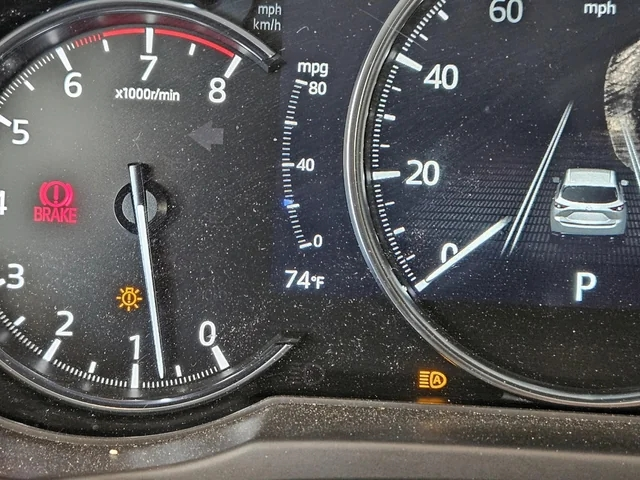
في الوقت الحالي، لا يتطلب سوى عدد قليل من السيارات، مثل بعض الطرازات الأوروبية والألمانية والكورية، فك تشفير CANBUS عند تركيب مصابيح LED الأمامية.
معظم السيارات لا تفعل ذلك. إذا كنت ترغب في فهم سبب حدوث مشكلات فك التشفير مع ترقيات مصابيح LED الأمامية وكيفية حلها، يمكنك الرجوع إلى مقالنا السابق: مشاكل فك تشفير لمبات مصابيح LED الأمامية: سبب حدوثها وكيفية إصلاحها.
بالنسبة إلى السيارات التي تتطلب فك تشفير CANBUS، طوّرت العديد من الشركات المصنّعة مصابيح LED أمامية خاصة بالسيارة. على سبيل المثال، تقدم شركة NAOEVO مصابيحها الفئة D لمبات مصابيح أمامية LED، مصممة خصيصاً لطرازات أودي وBMW وBMW ومرسيدس-بنز وفولكسفاغن ولاند روڤر وجاكوار وفورد ولكزس.
باختصار، بالنسبة للمركبات التي تتطلب فك تشفير CANBUS، هناك حلان: تركيب لمبة المصباح الأمامي LED الخاصة بالسيارة، أو اختيار لمبة المصباح الأمامي LED مع وحدة فك ترميز CANBUS.
5. الأسئلة المتعلقة بالسطوع
🔍تتضمن الأسئلة الشائعة ما يلي:
السؤال 1: لماذا لا تزال تظهر مصابيح LED الأمامية المحسّنة خافتة؟
السؤال 2: إلى أي مدى يجب أن تضيء الإضاءة المنخفضة والإضاءة العالية؟
السؤال 3: كيف يمكنني اختيار لمبة مصباح أمامي LED موثوق بها؟
💡 إليك الإجابة السريعة:
ج1: ربما تكون لمبات الإضاءة التي اشتريتها ذات كفاءة إضاءة منخفضة. ستنتج الرقائق الأقل جودة أو الأقل أداءً إضاءة أقل، مما يجعل الترقية تبدو خافتة حتى لو كانت اللمبة جديدة.
A2: الأشعة المنخفضة: 50-70m. الإضاءة العالية: 100-150 م.
ج3: اختر العلامات التجارية ذات السمعة الطيبة مع تصميم شعاع جيد، وإدارة مستقرة للحرارة، ومواصفات تم التحقق منها.
عندما يتعلق الأمر بسطوع لمبة مصباح LED الأمامي، نحتاج أولاً إلى فهم رقائق LED. تتضمن الأنواع الرئيسية لرقائق مصابيح LED الأمامية ما يلي رقاقات COB، وشريحة الوجه، وZES، وCree.
الخصائص الرئيسية لرقائق LED المختلفة:
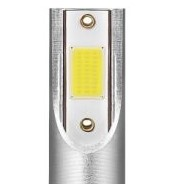
رقائق COB:
تحتوي مصابيح COB (الرقاقة على اللوحة) على العديد من نقاط انبعاث الضوء، مما يوفر إضاءة موحدة. ومع ذلك، فإن قدرتها على الاختراق والتركيز ضعيفة نسبيًا. وهي منخفضة التكلفة وأسهل في التصنيع. على الرغم من أنها قد تبدو ساطعة جداً، إلا أنك ستلاحظ من مقعد السائق أنها لا تضيء بعيداً جداً.
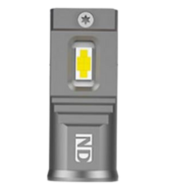
رقائق فليب-شيب و ZES:
يحتوي كلاهما على نقاط انبعاث ضوئي صغيرة، مما ينتج عنه ضوء مركز وسطوع عالٍ وتركيز قوي واختراق جيد. ومع ذلك، فإنهما يتطلبان تصنيعًا أكثر دقة وأكثر تكلفة.
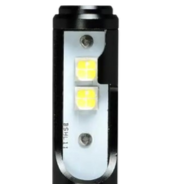
رقائق الكري:
تشير عادةً إلى شريحة XHP50 من Cree، وهي عبارة عن مصباح LED واحد عالي الطاقة. يكون تبديد الحرارة أكثر صعوبة، لذلك تكون الطاقة والسطوع أقل بشكل عام. يتركز الضوء، مع انتشار ضيق، مما يجعله أقل ملاءمة للإضاءة المنخفضة.
توفر أنواع رقاقات مصابيح LED الأمامية المختلفة أداء إضاءة مختلفاً. لمعرفة المزيد، راجع مدونتنا: 5 رقائق LED شائعة لمصابيح LED الأمامية للسيارات - أيهما أفضل؟
تُعدّ لمبات مصابيح LED الأمامية ضرورية لسلامة القيادة، لذا لا تختر الخيارات الرخيصة. فاختيار لمبات المصابيح الأمامية لمصابيح LED بقدرة 30 واط - 60 واط تقريبًا مع تقنية الرقاقة القابلة للطي هو خيار موثوق به بشكل عام!
6. الأسئلة المتعلقة بالتركيب
🔍تتضمن الأسئلة الشائعة ما يلي:
السؤال 1: هل يمكنني تركيب مصابيح LED أمامية في سيارتي؟ هل هي سهلة التركيب، وهل أحتاج إلى إزالة المصد أو مجموعة المصابيح الأمامية بالكامل؟
💡 إليك الإجابة السريعة:
جواب 1: نعم، يمكن ترقية معظم السيارات إلى مصابيح LED أمامية. عادةً ما يكون التركيب سهلاً ومباشرًا، وغالبًا ما يكون التركيب بالتوصيل والتشغيل من دون إزالة المصد أو مجموعة المصابيح الأمامية بالكامل.
في الواقع، يمكنك عادةً الحكم على مدى سهولة أو صعوبة التركيب بمجرد فتح غطاء المحرك والتحقق من المساحة المتوفرة حول المصابيح الأمامية.
في الوقت الحاضر، أصبحت لمبات مصابيح LED الأمامية صغيرة الحجم جدًا. على سبيل المثال، تتميّز سلسلة مصابيح NAOEVO V02 بالحجم نفسه تقريبًا مثل لمبة الهالوجين الأصلية، ما يجعلها متعددة الاستعمالات إلى حد كبير. بالنسبة إلى معظم مالكي السيارات، نادرًا ما تشكّل المساحة مشكلة أثناء التركيب.
7. الأسئلة المتعلقة بنمط الشعاع
🔍تتضمن الأسئلة الشائعة ما يلي:
السؤال 1: لماذا تتسبب المصابيح الأمامية في التوهج بعد تركيب لمبات LED؟
السؤال 2: إذا لم تكن المصابيح الأمامية الخاصة بي لا تحتوي على عدسات عارضة، هل يجب أن أختار عدسة عارض LED؟
💡 إليك الإجابة السريعة:
ج1: يحدث التوهج إذا لم يكن مصباح LED محاذيًا أو لم يكن الغلاف مصممًا له.
ج2: إذا لم تكن مصابيحك الأمامية مزوّدة بعدسات عارضة، فاختر لمبات LED العاكسة فقط إذا كنت تريد نمط شعاع دقيق. إذا كانت ميزانيتك محدودة، فإن لمبات LED المزوّدة بخط قطع هي أيضًا خيار جيد.
ببساطة، يتم تحديد نمط شعاع لمبة مصباح LED الأمامي ببساطة من خلال ثلاثة عوامل رئيسية:
● نوع رقاقة لمبة المصباح الأمامي LED: كما ذكر أعلاه، تنتج رقائق الشريحة القلابة وZES ضوءًا أكثر تركيزًا من رقائق COB.
● مساحة الإضاءة الباعثة للإنارة: وينتج عن السطح الباعث للضوء الأقل سمكًا نمط شعاع أكثر تركيزًا ودقة.
● تخطيط رقاقة LED: تُنتج ترتيبات الرقاقة التي تحاكي شكل خيوط الهالوجين وموضعها بشكل وثيق نمط شعاع أنظف ووهج أقل.
📌 للحصول على شرح أكثر تفصيلاً، قمنا بتغطية العناصر الرئيسية في مقالنا السابق: ما الذي يجعل نمط الشعاع الجيد لمبة المصباح الأمامي LED.
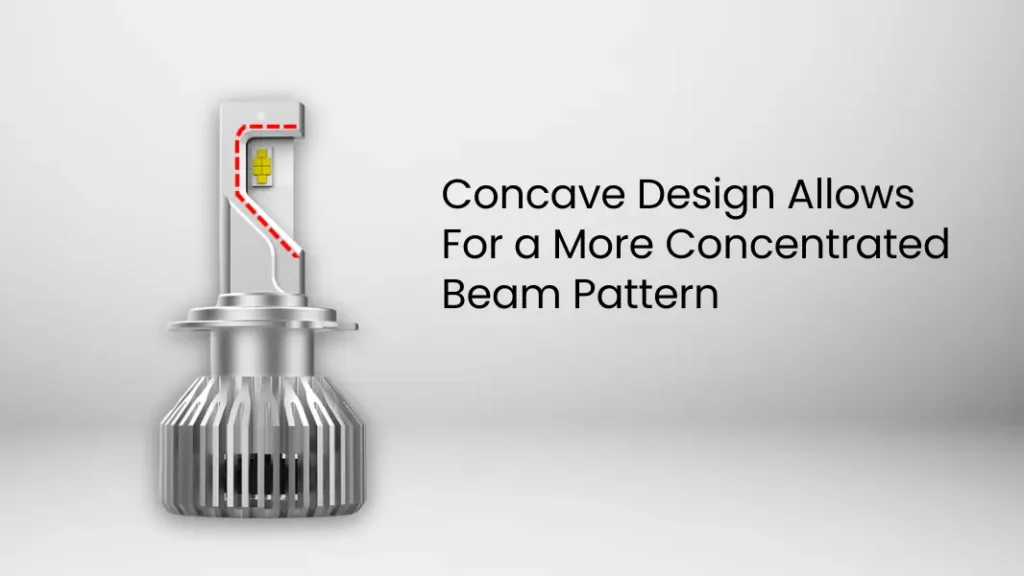
بالإضافة إلى ذلك، تم مؤخرًا تطوير نوع جديد من لمبات مصابيح LED الأمامية في السوق، وهي تتميّز بعاكس مدمج. وبفضل التصميم المقعّر نفسه، يتم تركيز الضوء بشكل أكثر إحكامًا.
8. مراعاة السعر
يمثل السعر مصدر قلق كبير للعديد من مالكي السيارات. تتضمن ترقيات المصابيح الأمامية عموماً جزأين: تكلفة استبدال مجموعة المصابيح الأمامية والمصابيح.
يمكن تقسيم تجميعات المصابيح الأمامية إلى وحدات مستعملة من المعدات الأصلية (المسترجعة) ووحدات ما بعد البيع. يمكن العثور على وحدات تصنيع المعدات الأصلية المستعملة في أسواق السيارات المستعملة، ولكن ليس من السهل دائماً الحصول عليها. أما تجميعات ما بعد البيع فهي متوفرة على نطاق واسع عبر الإنترنت، على الرغم من أن جودتها تختلف بشكل كبير.
في ما يلي، نركّز بشكل أساسي على تكلفة استبدال لمبات المصابيح الأمامية للسيارة:
1. تكلفة لمبة المصباح الأمامي LED
في حال قمت بالترقية لدى وكيل معتمد، تتراوح التكلفة عادةً بين 150$-200$ أو حتى أعلى من ذلك. أما في محلات تعديل السيارات المستقلة أو محلات تفصيل السيارات، فعادةً ما يكون السعر حوالي 50$-130$، وعادةً ما يكلّف شراء اللمبات عبر الإنترنت 30$-50$.
2. تكلفة التركيب أو العمالة
يتقاضى الوكلاء رسوم العمالة على أساس ساعات العمل، والتي عادة ما تكون باهظة الثمن. تتقاضى معظم محلات التعديل أو التفصيل المستقلة رسومًا مقابل كل زوج، عادةً ما تكون $40-$100.
بالنسبة إلى السيارات التي يسهل تركيبها - مثل العديد من طرازات تويوتا وهوندا ونيسان - يمكن لمالكي السيارات الذين يتمتّعون بمهارات عملية أساسية تركيب اللمبات بأنفسهم وتجنّب تكاليف العمالة تمامًا.
📌 إذا كنت ترغب في معرفة المزيد عن تكلفة استبدال المصابيح الأمامية للسيارة، يمكنك الاطلاع على مقالنا السابق: كم تكلفة استبدال المصباح الأمامي للسيارة [نصائح لتوفير المال]
9. الامتثال والشرعية
🔍تتضمن الأسئلة الشائعة ما يلي:
السؤال 1: هل استخدام لمبات مصابيح LED الأمامية قانونية؟
السؤال 2: هل سيؤثر تركيب مصابيح LED أمامية على سيارة جديدة على ضمان الوكيل؟
💡 إليك الإجابة السريعة:
ج1: إن مصابيح LED الأمامية المثبتة في المصنع فقط هي القانونية بالكامل؛ أما معظم تحويلات مصابيح LED ما بعد البيع فهي ليست كذلك.
ج2: لا يؤدي تركيب لمبات LED عادةً إلى إبطال الضمان، ولكن تحقق من قواعد الوكيل للتأكد من ذلك.
أنا متأكد من أن العديد من السائقين قلقون جداً بشأن هذين السؤالين. فيما يتعلق بقانونية تركيب مصابيح LED الأمامية، فإن هذا الموضوع ينطوي على قوانين ولوائح تنظيمية وهو حساس جداً بحيث لا يمكن مناقشته بالتفصيل هنا.
📌 إذا كنت مهتمًا، يمكنك الاطلاع على مقالنا السابق: لمبات المصابيح الأمامية LED: هل هي قانونية للاستخدام على الطريق؟
أما بالنسبة لما إذا كانت الترقية تؤثر على ضمان الوكيل، فإليك الإجابة:
تأتي السيارات الجديدة بشكل عام مع ضمان لمدة ثلاث سنوات. لا تؤثر التحسينات الكهربائية - مثل كاميرات الرجوع للخلف أو أنظمة الملاحة أو المصابيح الأمامية - على الضمان طالما أنها لا تقطع أو تعدل الأسلاك الأصلية. بعبارة أخرى، تعتبر التركيبات التي يتم تركيبها دون تغيير في دوائر السيارة آمنة.
تم تصميم كل لمبات مصابيح LED الأمامية اليوم لتركيبها بدون إتلافها. ما عليك سوى إزالة لمبات الهالوجين الأصلية واستبدالها بمصابيح LED، فلا حاجة إلى حفر ثقوب في أغطية الغبار أو تعديل المبيت كما هو مطلوب أحيانًا لتركيبات مصابيح HID. لذلك، لن يؤثر تركيب مصابيح LED الأمامية على ضمان الوكيل.
10. حول تبديد الحرارة
🔍تتضمن الأسئلة الشائعة ما يلي:
السؤال 1: هل سترتفع درجة حرارة لمبة مصباح LED الأمامي وتضر بسيارتي؟
💡 إليك الإجابة السريعة:
ج1: تعمل لمبة المصباح الأمامي LED بشكل أكثر برودة من الهالوجين وHID، وهذا يعود إلى مبدأ عملهما المختلف.

يعمل الهالوجين عن طريق تسخين فتيل التنجستن حتى يتوهج. يتم تحويل معظم الطاقة إلى حرارة. تنتج مصابيح HID الضوء عن طريق إنشاء قوس كهربائي عبر غاز الزينون. وعلى الرغم من أنها أكثر كفاءة من الهالوجين، إلا أن كمية كبيرة من الطاقة لا تزال تتحول إلى حرارة.
مصابيح LED عبارة عن أشباه موصلات تبعث الضوء مباشرةً من خلال التلألؤ الكهربائي. يتم تحويل معظم الطاقة الكهربائية إلى ضوء وليس إلى حرارة. ولا يتحول سوى جزء صغير (عادةً 10-201 تيرابايت 3 تيرابايت) إلى حرارة، والتي يمكن التحكم فيها باستخدام المشتتات الحرارية أو المراوح.
📌تقارن مدوّنتنا السابقة بوضوح بين درجات حرارة لمبات LED وHID ولمبات الهالوجين. انقر هنا للقراءة: هل يمكن لمبات المصابيح الأمامية LED أن ترتفع درجة حرارتها وتؤذي سيارتك؟
11. كيف تختار المصباح المناسب؟
بمجرد أن تكون على دراية بالنقاط العشر المذكورة أعلاه، سيكون لديك فهم جيد للمصابيح الأمامية في سيارتك. يمكنك بعد ذلك اتباع هذه الخطوات لاختيار اللمبات المناسبة:
الخطوة 1. تحقق من طراز المصباح الخاص بك
تأكد من نوع اللمبة الصحيح لسيارتك، مثل H4، أو H7، أو H11، أو 9005، أو 9006. يمكنك العثور على هذه المعلومات في:
- دليل مالك السيارة
- ملصق على اللمبة الأصلية
- أدوات البحث عن المصابيح عبر الإنترنت، مثل مكتشف لمبات سيلفانيا, أداة البحث عن لمبات السيارات من Philips
إذا كنت تريد معرفة المزيد حول أنواع مقابس لمبات المصابيح الأمامية، يمكنك التحقق من ذلك: أنواع مقابس لمبات مصابيح LED الأمامية
الخطوة 2. اختر التقنية المناسبة
الهالوجين - بأسعار معقولة، لكن سطوعها منخفض وعمرها الافتراضي قصير
HID (زينون) - أكثر سطوعًا من الهالوجين، ولكن بدء التشغيل أبطأ، والتركيب معقد
مصابيح LED - عالية السطوع وموفرة للطاقة وفورية التشغيل، ولكنها باهظة الثمن.
الخطوة 3. ضع في اعتبارك احتياجاتك في القيادة
القيادة داخل المدينة - اختر لمبة مصباح أمامي LED بنمط شعاع جيد
القيادة على الطرقات السريعة - اختر لمبة مصباح أمامي LED ذات مدى إضاءة طويل
الاستخدام على الطرق الوعرة - اختر لمبة المصباح الأمامي LED عالية الطاقة
لماذا تثق بـ Naoevo
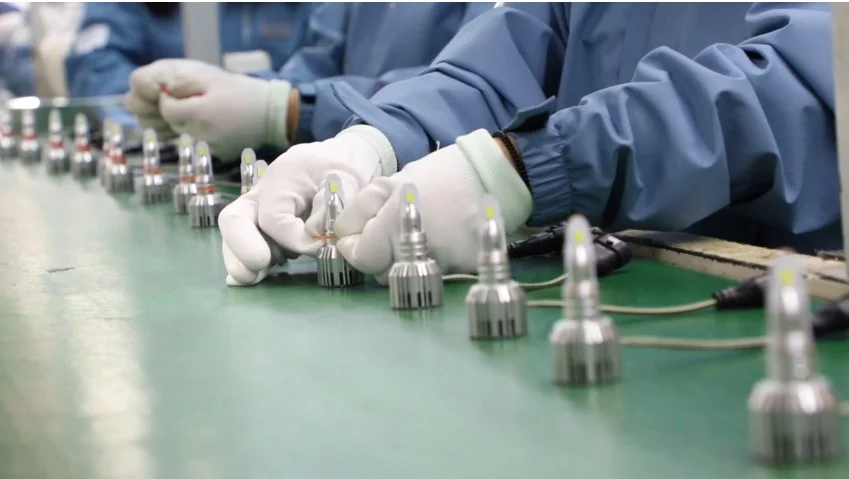
شركة NAOEVO هي شركة تصنيع متخصصة منذ 20 عامًا في حلول مصابيح LED الأمامية للسيارات، وهي مكرسة لخدمة تجار الجملة والموزعين والعلامات التجارية العالمية لما بعد البيع للسيارات. ومن خلال التركيز القوي على موثوقية المنتج والجودة المتسقة والتوريد القابل للتطوير، نساعد شركاءنا على المنافسة بفعالية أكبر في أسواقهم المحلية.
وبدعم من مصنع تبلغ مساحته 100000 متر مربع، ومراقبة صارمة للجودة، وفرق بحث وتطوير ذات خبرة، تحقق لمبات مصابيح LED الأمامية لدينا توازنًا جيدًا بين الأداء والمتانة وفعالية التكلفة. بدءًا من الإنتاج الضخم المستقر ووصولاً إلى المواصفات والتعبئة والتغليف والعلامات التجارية المخصصة، نحن ندعم التعاون بين تصنيع المعدات الأصلية وتصنيع التصميم الشخصي لتلبية متطلبات السوق المتنوعة.
اليوم، يوجد لدى NAOEVO أكثر من 50 موزعًا في جميع أنحاء العالم، وشركاؤنا في جميع أنحاء آسيا وأفريقيا وأمريكا الجنوبية والشرق الأوسط. نحن لا نبيع مصابيح LED الأمامية فحسب، بل نبني شراكات موثوقة لتحقيق النمو المستدام.

 العربية
  English
  Español
  Українська
  हिन्दी