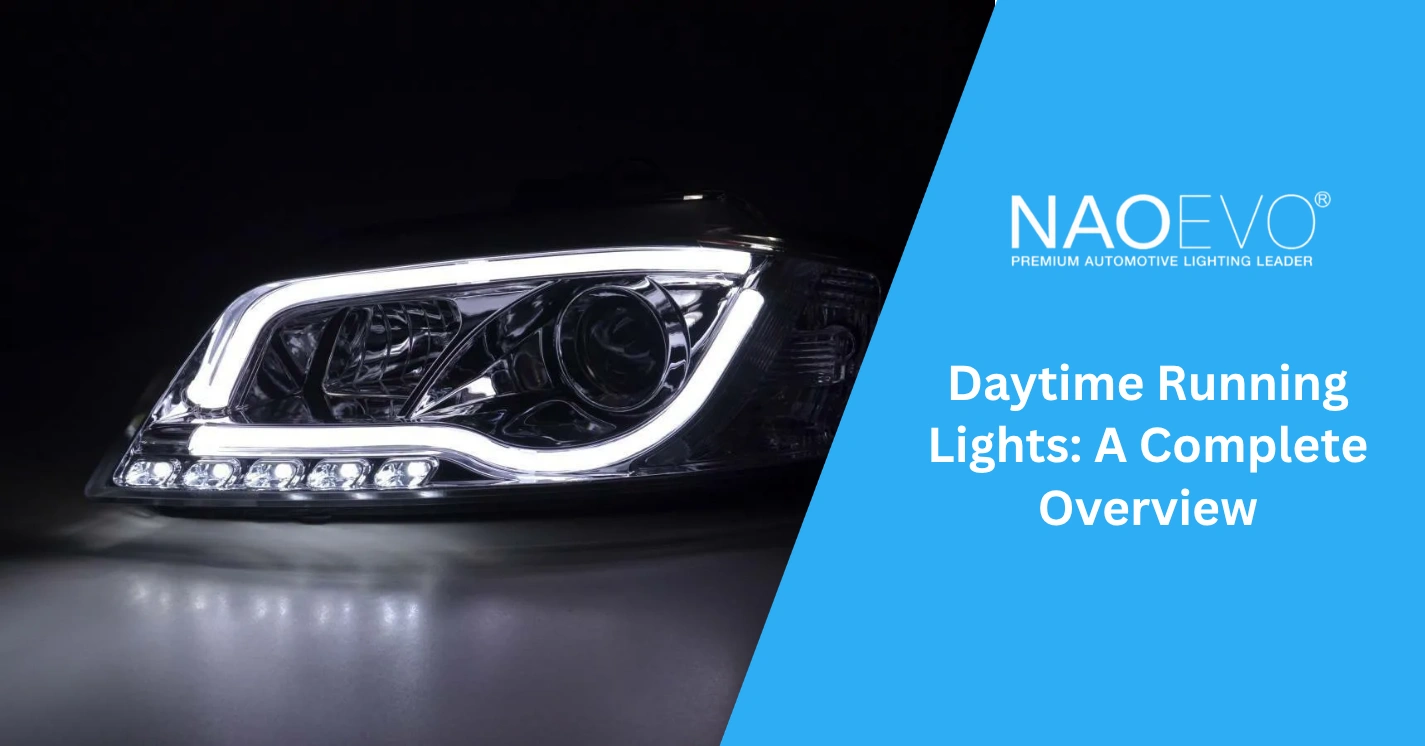
يُشار إلى DRL باختصار «أضواء التشغيل النهاري» (Daytime Running Light). وهي أضواء مُركَّبة في مقدمة السيارة وتظل مضاءة تلقائيًّا خلال النهار من أجل اجعل سيارتك أكثر وضوحًا لمستخدمي الطريق الآخرين.
على عكس المصابيح الأمامية، لم تُصمم مصابيح DRL لإضاءة الطريق. والغرض الرئيسي منها هو مساعدة السائقين الآخرين وراكبي الدراجات والمشاة على رؤية سيارتك بسهولة أكبر أثناء النهار، مما يسهم في تعزيز السلامة على الطرق.
الميزات الرئيسية لمصابيح الإضاءة النهارية
رؤية عالية:
تُبرز شرائط الإضاءة الفريدة شكل السيارة بوضوح، حتى في ظروف الإضاءة الخلفية القوية.
درجة حرارة اللون:
يخترق الضوء الأبيض البارد الذي تتراوح درجة حرارته بين 5000 كيلو كلفن و6000 كيلو كلفن الضباب الكثيف والضباب الخفيف بسهولة.
توفير الطاقة:
يستهلك 15% فقط من طاقة المصابيح الأمامية القياسية — ويعمل لمدة 30 ساعة متواصلة باستهلاك 1 كيلوواط/ساعة فقط من الكهرباء.
التعتيم الذكي:
يتم تعتيمه تلقائيًّا عند تشغيل المصابيح الأمامية لمنع إبهار السائقين القادمين في الاتجاه المعاكس.
كيفية عمل نظام الإضاءة النهارية (DRL) وسيناريوهات استخدامه
مبدأ عمل مصابيح الإضاءة النهارية (DRL) بسيط جدًّا في الواقع: عندما يتم تشغيل السيارة وتكون في وضع القيادة، تُضاء مصابيح الإضاءة النهارية تلقائيًّا.
عندما تضع ناقل الحركة في وضع الرجوع للخلف أو تشغل المصابيح الأمامية، تنطفئ مصابيح الإضاءة النهارية (DRL) تلقائيًّا. ويضمن لك هذا التصميم الذكي مزيدًا من الأمان أثناء النهار، مع تجنب إهدار الطاقة.
في ظروف القيادة الفعلية، تثبت مصابيح الإضاءة النهارية (DRL) فائدتها الكبيرة في ظروف الرؤية المحدودة: مثل المطر، والغيوم، والضباب، والأنفاق، وأثناء الفجر أو الغسق.
وفقًا للإدارة الوطنية لسلامة المرور على الطرق السريعة (NHTSA)، تساعد مصابيح الإضاءة النهارية (DRL) في الحد من حوادث التصادم النهارية التي تتورط فيها عدة مركبات، سواء كانت سيارات أو شاحنات خفيفة. كما يمكنها تقليل حوادث التصادم النهارية بين المركبات المتجهة في الاتجاه المعاكس عدد الوفيات بنسبة تصل إلى 5%.
فوائد استخدام مصابيح الإضاءة النهارية
1. مزايا السلامة
ثبت أن مصابيح الإضاءة النهارية (DRLs) تقلل بشكل كبير من حوادث التصادم أثناء النهار من خلال جعل المركبات أكثر وضوحًا لمستخدمي الطريق الآخرين. تشير البيانات الواردة من NHTSA تشير الدراسة إلى أن مصابيح الإضاءة النهارية (DRLs) تقلل من حوادث التصادم بين عدة مركبات خلال النهار بنسبة تتراوح بين 5 و12%، حيث تبرز بعض الأبحاث إحصائيات أكثر إثارة للإعجاب.
2. التأثير الجمالي والتصميمي
أصبحت مصابيح الإضاءة النهارية (DRL) أحد أبرز عناصر التصميم في السيارات الحديثة. فما بدأ كميزة أمان أصبح الآن أداة تصميمية رئيسية تحدد «وجه» السيارة وطابعها البصري
تصف مجموعة هيونداي للسيارات مصابيح الإضاءة النهارية (DRL) بأنها أصبحت «عناصر التصميم الأساسية"التي تحدد الانطباع الذي تتركه السيارة"، مشيرًا إلى أنها "تطورت لتصبح عنصرًا يرمز إلى العلامة التجارية أو الطراز".
3. هوية العلامة التجارية والاعتراف بها
أصبحت مصابيح الإضاءة النهارية (DRL) الآن أداة قوية لتعزيز العلامة التجارية. تستخدم شركات صناعة السيارات أنماطًا فريدة من مصابيح الإضاءة النهارية لجعل سياراتها قابلة للتعرف عليها على الفور، وغالبًا دون الحاجة إلى رؤية شعار العلامة التجارية.
لنأخذ شركة BMW على سبيل المثال: فالحلقتان الدائريتان من مصابيح LED الملتفتان حول كل مصباح أمامي معروفتان على نطاق واسع باسم «Angel Eyes». أما شركة فولفو، فتستخدم مصابيح إضاءة نهارية (DRL) مميزة على شكل حرف T مائلة يُطلق عليها اسم «Thor’s Hammer».
[كانت مصابيح الإضاءة النهارية (DRL) في بداياتها عبارة عن مصابيح صغيرة مستطيلة الشكل منفصلة، تُركب أسفل المصابيح الأمامية أو على المصدات]
تعود أضواء القيادة النهارية (DRLs) إلى شمال أوروبا في سبعينيات القرن الماضي، حيث دفعت فصول الشتاء الطويلة والمظلمة والثلوج الكثيفة والضباب الحكومات إلى فرض تركيبها في السيارات الجديدة. وكانت الإصدارات الأولى تستخدم مصابيح هالوجين، التي كانت تستهلك الكثير من الطاقة، وتتميز بعمر افتراضي قصير، ولم تكن جذابة للغاية، لذا اكتفت بعض شركات صناعة السيارات باستخدام المصابيح المنخفضة أو تخفيف إضاءة المصابيح العالية لتوفير التكاليف.
جاءت نقطة التحول الحقيقية في عام 2011، عندما فرض الاتحاد الأوروبي تركيب مصابيح الإضاءة النهارية (DRL) على جميع المركبات الجديدة، مدعومًا بأدلة تفيد بأن هذه المصابيح تقلل بشكل كبير من الحوادث، بنسبة 12.4% في حوادث المركبات و26.4% في الحوادث المميتة.
لكن «أودي» هي التي جعلت مصابيح الإضاءة النهارية (DRL) مشهورة. بعد أن أدخلت تقنية LED على... A8 في عام 2004، حولت تصاميمها المذهلة في طرازي R8 وA4 مصابيح الإضاءة النهارية (DRL) إلى رمز للأناقة. وقدمت مصابيح LED مزايا رئيسية، منها الحجم الأصغر، والأشكال المرنة، والاستهلاك المنخفض للطاقة، والعمر الافتراضي الأطول.
اليوم، تطورت مصابيح DRL من ميزات حصرية للسيارات الفاخرة لتصبح ميزات شائعة في الطرازات العادية، مع المزيد من الابتكارات في المستقبل.
أضواء DRL مقابل المصابيح الأمامية: ما الفرق؟
الميزات
DRL
المصباح الأمامي
الغرض الرئيسي
اجعل سيارتك مرئية للآخرين
أضئ الطريق أمامك في الليل
متى يُستخدم
يتم تشغيله تلقائيًا خلال النهار
تشغيل يدوي أو تلقائي ليلاً
السطوع
سطوع منخفض إلى متوسط
سطوع عالٍ
اتجاه الإضاءة
الرؤية الأمامية حتى يتمكن الآخرون من رؤيتك
إضاءة الطرق لضمان رؤية السائق
استهلاك الطاقة
منخفضة
عالية
نوع الإضاءة النموذجي
شريط LED أو مصباح LED منخفض الطاقة
الهالوجين / LED / HID / الليزر
ببساطة، صُممت مصابيح DRL للاستخدام النهاري، فهي تجعل سيارتك أكثر وضوحًا للآخرين، لكنها لا تضيء الطريق.
تُستخدم المصابيح الأمامية في الليل أو في ظروف الرؤية المحدودة، حيث توفر أشعة ساطعة ومركزة لإضاءة الطريق أمامك. أما مصابيح الإضاءة النهارية (DRL) فهي تعمل تلقائيًا وذات شدة إضاءة منخفضة؛ في حين أن المصابيح الأمامية تعمل يدويًّا وذات شدة إضاءة عالية.
اقرأ المزيد: مصابيح DRL مقابل المصابيح الأمامية، ما الفرق؟'الفرق؟
مصابيح DRL مقابل مصابيح الضباب: ما الفرق؟
الميزات
DRL
مصابيح الضباب
الوظيفة
تحسين الرؤية أثناء النهار
إضاءة الطريق السفلية في حالات الضباب/المطر
التفعيل
السيارات
دليل
اللون
5500–6500 كلفن
2000–3000 كيلو
مسافة الاختراق
حوالي 50 مترًا
100–200 متر
الطاقة
5–10 واط
35–55 واط
المنصب
المنطقة العلوية للمصباح الأمامي
المصد السفلي
بعد أكثر من عقد من الزمن قضيته خلف عجلة القيادة، لاحظت أن الكثيرين يخلطون بين مصابيح الإضاءة النهارية (DRL) ومصابيح الضباب، خاصةً في حالة هطول المطر أو وجود الضباب. واليوم، سنقارن بينهما.
تُشغَّل مصابيح DRL البيضاء تلقائيًّا مع تشغيل المحرك لضمان الرؤية أثناء النهار. أما مصابيح الضباب فهي تُشغَّل يدويًّا، ومثبتة في الجزء السفلي، وتُصدر ضوءًا أصفر لتوفير إضاءة عالية الاختراق في حالة المطر أو الضباب.
اقرأ المزيد:مصابيح DRL مقابل مصابيح الضباب، ما الفرق؟
أضواء التشغيل النهارية (DRL): القوانين واللوائح العالمية
تختلف اللوائح المتعلقة بمصابيح الإضاءة النهارية (DRL) من بلد إلى آخر. كانت دول اسكندنافيا أول من فرض استخدام مصابيح الإضاءة النهارية (DRL) بسبب استمرار الظروف الشتوية القاتمة. ثم حذت الاتحاد الأوروبي حذوها لاحقًا بـ التوجيه رقم 2008/89/EC، حيث يُشترط أن تكون جميع سيارات الركاب الجديدة مزودة بأنظمة الإضاءة النهارية (DRL) اعتبارًا من فبراير 2011. وتشير الأبحاث إلى أن أنظمة الإضاءة النهارية (DRL) تزيد بشكل كبير من رؤية السيارة، مما يسهم في تحسين السلامة على الطرق.
في أي الأماكن يُعد استخدام مصابيح الإضاءة النهارية (DRL) إلزامياً؟
سنت السويد قوانين إلزامية بشأن مصابيح التشغيل النهاري في عام 1977، تقضي بتجهيز جميع السيارات الجديدة بمصابيح التشغيل النهاري.
في عام 1972، فرضت فنلندا استخدام مصابيح الإضاءة النهارية (DRL) على الطرق الريفية خلال فصل الشتاء، ولم توسع نطاق هذا الإلزام ليشمل جميع الطرق على مدار العام إلا في عام 1997.
ثم حذت النرويج حذوها في عام 1986، وأيسلندا في عام 1988، والدنمارك في عام 1990. أما كندا، فقد فرضت تركيب مصابيح DRL في السيارات الجديدة منذ عام 1989.
على الرغم من أن المملكة المتحدة كانت في البداية أبطأ في تبني مصابيح الإضاءة النهارية (DRL)، إلا أنها أصبحت إلزامية في السيارات الجديدة في عام 2011.
المعايير الفنية الخاصة بنظام الإضاءة النهارية (DRL)
الاتحاد الأوروبي (EU)
لائحة اللجنة الاقتصادية لأوروبا التابعة للأمم المتحدة رقم 87 وهو معيار الاعتماد الإلزامي للأنوار النهارية (DRL) في الاتحاد الأوروبي ودول الشمال الأوروبي، الذي يحدد متطلبات موحدة للسطوع واللون والوظيفة التلقائية بهدف تعزيز رؤية المركبة مع منع التوهج.
شدة الضوء: بين 400 سي دي (كحد أدنى) و1,200 سي دي (كحد أقصى)
درجة حرارة اللون: يجب أن يكون الضوء المنبعث أبيض تمامًا.
المساحة الظاهرية: يجب أن تتراوح المساحة الظاهرية لمصباح الإضاءة النهارية (DRL) في اتجاه المحور المرجعي بين 25 سم² و200 سم².
قاعدة التشغيل: التشغيل التلقائي عند تشغيل المحرك؛ يُحظر إيقاف التشغيل يدويًّا.
متطلبات التعتيم: يجب ألا يتجاوز السطوع بعد التعتيم 50% من الشدة الأولية أو 200 cd.
أمريكا الشمالية
يُعد المعيار SAE J2087 / FMVSS 108 الإطار المعياري لأضواء القيادة النهارية (DRL) في أمريكا الشمالية، حيث يحدد قواعد الأداء واللون والتحكم للمركبات في الولايات المتحدة وكندا. ويختلف هذا المعيار بشكل ملحوظ عن لائحة اللجنة الاقتصادية لأوروبا التابعة للأمم المتحدة رقم 87، حيث ينص على حدود سطوع أعلى، ويسمح باستخدام اللون الكهرماني.
متطلبات التعتيم: مصابيح الإضاءة النهارية (DRL) داخل 100 ملم يجب أن تنطفئ مصابيح الإشارة تمامًا عند تشغيلها.
أنواع مصابيح الإضاءة النهارية
تتوفر مصابيح الإضاءة النهارية (DRLs) بأنواع متنوعة، تُصنف حسب مصدر الضوء ووظيفتها وتصميمها. في هذا الدليل، سنركز على الأنواع المختلفة لمصابيح الإضاءة النهارية بناءً على تصميمها الخارجي، لمساعدتك على فهم الأنماط الأكثر شيوعًا في السيارات الحديثة.
1. نوع حبيبات الضوء (نمط المصفوفة)
حبيبات LED مستقلة مرتبة في شكل خط أو نمط مصفوفة، تظهر نقاط إضاءة فردية مرئية. وتُعد مصابيح الإضاءة النهارية الكلاسيكية على شكل «الدمعة» الموجودة في الطرازات القديمة من سيارات أودي A4 مثالاً مثاليًّا على تصميم حبيبات LED المنفصلة هذه.
الإيجابيات:
هيكل بسيط وتكلفة منخفضة نسبيًا.
السلبيات:
تأثير النقاط المرئي، ويفتقر إلى المظهر التكنولوجي المتطور الذي تتميز به تصاميم شرائط الإضاءة، كما أن توزيع السطوع أقل تناسقًا بعض الشيء.
2. نوع موجه الضوء (الألياف الضوئية / شريط الضوء)
شريط إضاءة متواصل وموحد دون أي فجوات مرئية، يضفي مظهرًا أنيقًا وفاخرًا. على سبيل المثال، تصميم «Angel Eyes» من BMW، وتصميم «LED Extreme» من Audi، وأضواء النهار الحديثة من مرسيدس-بنز
الإيجابيات:
إخراج ضوئي سلس وموحد
مظهر فاخر وعصري
شهرة العلامة التجارية الواسعة وجاذبيتها البصرية
السلبيات:
تكلفة أعلى مقارنةً بنوع الخرزات الخفيفة
يتطلب هندسة بصرية أكثر تعقيدًا
3. نوع المصفوفة (مصفوفة LED رقمية)
وحدات LED متعددة يتم التحكم فيها بشكل مستقل، قادرة على إنتاج تأثيرات إضاءة ديناميكية، وتسلسلات متحركة، وأنماط قابلة للتكيف.
توفر مصابيح الإضاءة النهارية هذه أداءً إضاءةً متميزًا وميزات ذكية، لكنها تتسم أيضًا بتكاليف أعلى وتقنية أكثر تعقيدًا.
● أودي A6 أفانت
تتميز سيارة أودي A6 بوجود 48 وحدة LED يتم التحكم فيها بشكل فردي في كل مصباح أمامي، مما يتيح 7 أنماط إضاءة رقمية ديناميكية تتميز بإضاءة سلسة وتحكم دقيق في منع التوهج.
● أودي Q5L
تتميز سيارة أودي Q5L بشرائح إضاءة LED قابلة للتحكم بشكل مستقل، وإشارات انعطاف ديناميكية، وإضاءة ترحيبية. كما تعمل الضوء العالي التكيفي تلقائيًّا على تقليل الوهج الذي يزعج السائقين القادمين في الاتجاه المعاكس، مع الحفاظ في الوقت نفسه على رؤية ممتازة للطريق.
● تقنية «مرسيدس-بنز ديجيتال لايت»
تتميز بمصفوفة «مايكرو-LED» ذات كثافة فائقة، تضم ما يصل إلى 25,000 وحدة «مايكرو-LED» في كل مصباح أمامي، مما يتيح التحكم الفائق الدقة في شعاع الضوء وإسقاط صور على الطريق مثل ممرات المشاة وأسهم الاتجاه ورموز التحذير.
4. نوع المحيط (على شكل حرف C / على شكل حرف L / حلقي)
تتبع مصابيح الإضاءة النهارية (DRL) ذات التصميم الكنتوري محيط المصباح الأمامي، مما يخلق أشكالاً مثل C أو L أو U أو حلقات كاملة. ومن الأمثلة الشهيرة على ذلك مصابيح الإضاءة النهارية على شكل حرف C من فولفو، المعروفة باسم «مطرقة ثور»، والتي تشتهر بشريطها الضوئي المتواصل ووضوحها البارز أثناء النهار.
الإيجابيات:
هوية علامة تجارية تتمتع بدرجة عالية من الشهرة
لغة تصميم مرنة عبر الطرازات المختلفة
يمكن تكييفها مع أشكال وأحجام مختلفة من المصابيح الأمامية
السلبيات:
أصبحت شائعة جدًّا، بل ومبالغًا في استخدامها إلى حد ما
يتطلب أسلوبًا تصميميًا قويًّا للتميّز عن المنافسين
5. الأشكال المخصصة
تتميز تصاميم مصابيح الإضاءة النهارية (DRL) الفريدة بخروجها عن الأشكال التقليدية، بما في ذلك التصاميم المقسمة، وأشرطة الإضاءة التي تمتد على كامل العرض، والعناصر الرأسية، والإضاءة ذات الطراز البكسل.
على سبيل المثال، تتميز سيارة Lynk & Co 03 بتصميم مميز لمصابيح الإضاءة النهارية (DRL) المقسمة، حيث يوجد شريط إضاءة رفيع موضوع أسفل خط غطاء المحرك ومنفصل عن المصباح الأمامي الرئيسي، مما يمنحها مظهرًا حادًا وسهل التمييز.
الإيجابيات:
مظهر مميز للغاية ومستقبلي
تمييز قوي للعلامة التجارية
يبتكر طابعًا فريدًا يختلف عن التصاميم التقليدية
السلبيات:
قد لا يروق لجميع أذواق المستهلكين
قد يكون من الصعب دمجها مع متطلبات الديناميكا الهوائية والتبريد
تعقيد أكبر في التصميم والهندسة
كيف يمكنني إيقاف تشغيل مصابيح التشغيل النهاري؟
[تدعم فولكسفاغن تعطيل نظام الإضاءة النهارية (DRL) من خلال إعدادات قائمة لوحة القيادة.]
تختلف طريقة إيقاف تشغيل مصابيح الإضاءة النهارية (DRL) باختلاف الشركة المصنعة للسيارة وطرازها.
على سبيل المثال، في العديد من المركبات الألمانية، يمكنك تعطيل مصابيح الإضاءة النهارية (DRL) من خلال نظام المعلومات والترفيه، وذلك بالانتقال إلى «إعدادات السيارة» أو «إعدادات الإضاءة» وإيقاف تشغيل خيار مصابيح الإضاءة النهارية (DRL).
في بعض الحالات السيارات اليابانية، يمكن الوصول إلى الإعدادات باستخدام أزرار التحكم الموجودة على عجلة القيادة للدخول إلى قائمة إعدادات السيارة.
ومع ذلك، من المهم ملاحظة أن بعض المركبات لا تسمح بإيقاف تشغيل مصابيح الإضاءة النهارية (DRL) يدويًّا لأسباب تتعلق بالسلامة. وقد تسمح مركبات أخرى بإيقاف تشغيل هذه المصابيح في ظروف محددة فقط، مثل عندما تكون المركبة متوقفة.
⚠️أمور يجب مراعاتها قبل إيقاف تشغيل مصابيح الإضاءة النهارية (DRL):
في العديد من البلدان والمناطق، يُلزم القانون بإبقاء مصابيح التشغيل النهاري (DRL) مضاءة أثناء القيادة. وقد يؤدي إيقاف تشغيلها إلى مخالفة قوانين المرور المحلية. والأهم من ذلك، أن إيقاف تشغيل مصابيح التشغيل النهاري قد يقلل من رؤية مركبتك لمستخدمي الطريق الآخرين، خاصةً خلال ساعات النهار، مما يزيد من خطر وقوع الحوادث.
قبل أن تقرر إيقاف تشغيل مصابيح الإضاءة النهارية (DRL)، تأكد دائمًا من الاطلاع على قوانين المرور المحلية واستشر دليل مالك السيارة للتأكد من أن القيام بذلك أمر قانوني وآمن.
ألست متأكدًا مما إذا كان تعطيل مصابيح الإضاءة النهارية (DRL) مخالفًا للقانون في المكان الذي تعيش فيه؟ تحقق من ذلك هذا الموردلمعرفة ذلك.
كيفية استبدال مصابيح الإضاءة النهارية؟
تعتمد صعوبة استبدال مصابيح الإضاءة النهارية (DRL) في سيارتك إلى حد كبير على ماركة سيارتك وطرازها. وفيما يلي الطرق الثلاث الأكثر شيوعًا للاستبدال.
1. استبدال مصباح الإضاءة النهارية (DRL)
[يمكن استبدال مصابيح DRL في سيارة فولكس فاجن جيتا MK6 (2011-2018) مباشرةً]
المركبات التي تستخدم شريطًا من مصابيح LED أو شريطًا ضوئيًا من مصابيح LED كإضاءة نهارية (DRL)
شريط LED تالف، أو يضيء بشكل متقطع، أو أصبح لونه أصفر، أو لا يعمل جزئيًا
الخطوات:
إذا كان شريط LED خارجيًّا:
قم بإزالة شريط الإضاءة LED القديم.
قم بتنظيف سطح التثبيت.
قم بتركيب الشريط الجديد.
قم بتوصيل الأسلاك بمصدر طاقة ACC أو بسلك التحكم في مصابيح الإضاءة النهارية (DRL).
إذا كان شريط LED داخليًّا:
قم بفك مجموعة المصباح الأمامي.
قم بتسخين غطاء المصباح الأمامي لتليين مادة الإحكام.
افتح الغطاء وأزل شريط LED القديم.
قم بتركيب الشريط الجديد.
أعد إحكام إغلاق المصباح الأمامي لمنع دخول الماء والغبار.
نصيحة: تأكد من أن جميع الوصلات الكهربائية معزولة بشكل صحيح ومقاومة للماء.
3. استبدال مجموعة المصباح الأمامي بالكامل
[المصباح الأمامي لسيارة «تيسلا موديل 3 هايلاند» هو وحدة محكمة الإغلاق تمامًا، وأي تلف في مصابيح الإضاءة النهارية (DRL) أو نظام الإضاءة المصفوفية يتطلب استبدال المجموعة بالكامل.]
الأفضل لـ:
المركبات المزودة بمصابيح الإضاءة النهارية (DRL) المدمجة التي لا يمكن استبدالها بشكل منفصل
وحدة مصابيح الإضاءة النهارية (DRL) أو مجموعة المصابيح الأمامية التالفة
الخطوات:
افتح غطاء المحرك.
قم بفك المصد الأمامي عن طريق إزالة البراغي والمشابك.
اسحب المصد بعناية، مع الحرص على عدم إتلاف أي أسلاك خاصة بمصابيح الضباب.
قم بفك مسامير تثبيت المصباح الأمامي وافصل جميع الموصلات الكهربائية.
قم بتركيب مجموعة المصباح الأمامي الجديدة وأعد توصيل الأسلاك.
أعد تركيب المصد.
اضبط محاذاة المصابيح الأمامية وتأكد من أن مصابيح الإضاءة النهارية (DRL) تعمل بشكل صحيح.
الحل 2 في 1 الذي تحتاجه لمصابيح الإضاءة النهارية (DRL) والضوء العالي
المصباح H15 هو مصباح ثنائي الوظيفة يعمل كضوء تشغيل نهاري وكضوء عالي في وحدة واحدة. ويُستخدم عادةً في السيارات الأوروبية، لا سيما في سيارات فولكسفاغن وأودي ومرسيدس-بنز وبعض طرازات فورد.
إذا كنت ترغب في ترقية مصابيح H15 الهالوجينية الخاصة بك المخصصة للإضاءة النهارية (DRL) إلى مصابيح LED أكثر سطوعًا وكفاءة، فيمكنك اختيار مصباح LED للضوء الأمامي من NAOEVO طراز H15D
ما الذي يميز NAOEVO H15D؟
💡 تصميم H15 مطابق تمامًا للمصباح الأصلي، يُركب مباشرةً ويُستخدم فورًا مثل المصباح الأصلي
💡 45 واط، 4500 لومن لكل لمبة، سطوع معتدل، بدون وهج قوي
💡 مصابيح الإضاءة النهارية (DRL) + وظيفة الضوء العالي، حيث يتم تعتيم مصابيح الإضاءة النهارية تلقائيًّا عند تشغيل المصابيح الأمامية ليلاً.
💡 نظام CANBUS الخطي، مناسب لموديلات 99% من السيارات، ويقلل من ظهور رموز الأعطال.
الأسئلة الشائعة:
هل يمكنني استبدال مصباح واحد فقط من مصابيح الإضاءة النهارية (DRL)؟
نعم، ولكن يُنصح باستبدالها زوجًا زوجًا لضمان تناسق السطوع واللون.
هل يمكنني تركيب مصابيح الإضاءة النهارية (DRL) من السوق الثانوية في سيارتي؟
الإجابة المختصرة هي «نعم»، لكن ذلك يعتمد على المكان الذي تعيش فيه ونوع مصابيح الإضاءة النهارية (DRL) التي تقوم بتركيبها. تختلف القوانين والمتطلبات بشكل كبير، لذا من الأفضل دائمًا مراجعة لوائح المرور المحلية أولاً.
هل يُعد تعطيل مصابيح الإضاءة النهارية (DRL) أمراً غير قانوني؟
في العديد من البلدان (الاتحاد الأوروبي، كندا، دول الشمال)، نعم. يرجى مراجعة قوانين المرور المحلية.
هل تحتوي جميع السيارات الجديدة على مصابيح الإضاءة النهارية (DRL)؟
في الاتحاد الأوروبي، يجب أن تكون جميع السيارات والشاحنات الصغيرة الجديدة المصنعة بعد فبراير 2011 مزودة بمصابيح الإضاءة النهارية (DRL). أما في المناطق الأخرى، فتختلف القواعد.
هل استخدام مصابيح الإضاءة النهارية (DRL) إلزامي في الولايات المتحدة؟
لا، لا يُشترط استخدام مصابيح الإضاءة النهارية (DRL) بموجب القوانين الفيدرالية في الولايات المتحدة، على الرغم من أن العديد من السيارات الجديدة مزودة بها. ومع ذلك، فإن بعض الولايات لديها قوانين محددة تتعلق بالإضاءة.




 واتساب
 العربية
  English
  Español
  Українська
  हिन्दी